
Boniface of Mainz
June 5·8th century·Germany
Boniface, born Wynfreth, was an English Benedictine monk and missionary who led the Anglo-Saxon mission to the Germanic parts of Francia in the eighth century. He is remembered for organizing significant church foundations in Germany, being appointed Archbishop of Mainz, and for his martyrdom in Frisia. He is venerated as the "Apostle to the Germans" and is considered a unifier of Europe.
Key Facts
- ›Boniface was an English Benedictine monk and missionary.
- ›He was instrumental in establishing the church in Germany during the eighth century.
- ›Pope Gregory III appointed him Archbishop of Mainz.
- ›He was martyred in Frisia in 754 along with 52 companions.
- ›His remains are entombed in Fulda Cathedral, a site of Christian pilgrimage.
- ›He is known as the "Apostle to the Germans" and is a patron saint of Devon.
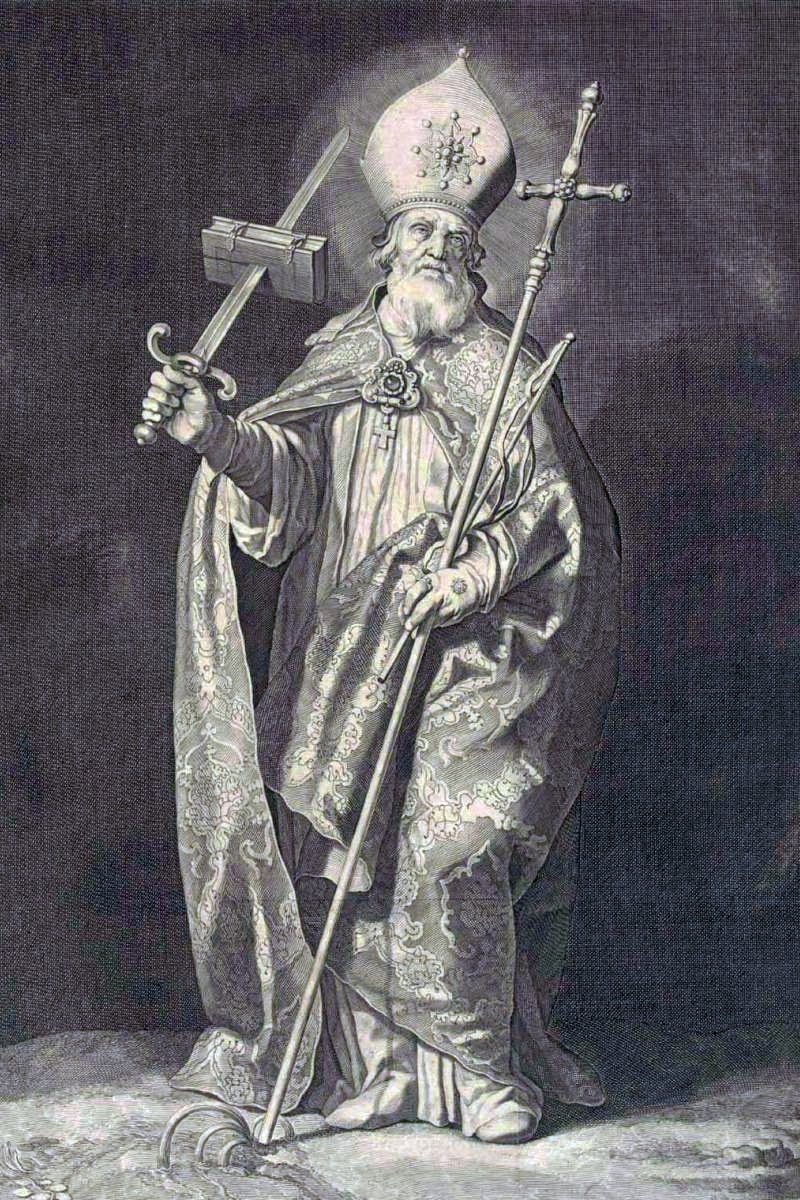
Wynfreth, Winfred, Apostle to the Germans
Germania, Devon
Oak Tree, Book, Sword
About Boniface of Mainz
Boniface, born Wynfreth around 675 in England, was a pivotal figure in the spread of Christianity in eighth-century Europe. A Benedictine monk, he became renowned for his missionary work among the Germanic peoples of Francia, earning him the title "Apostle to the Germans." His efforts were instrumental in establishing and organizing the church in these regions, and he played a key role in reforming the Frankish Church, strengthening its ties with the papacy and the emerging Carolingian dynasty.
Life and Historical Context
Wynfreth received his monastic education in England and, at the age of thirty, became a priest. He first traveled to the continent in 716, working with Willibrord in Frisia, but war interrupted his efforts. He later traveled to Rome, where Pope Gregory II renamed him Boniface and appointed him a missionary bishop for Germania. He never returned to England, dedicating the remainder of his life to his mission.
Boniface's work was supported by the Carolingian rulers, particularly Charles Martel and his sons. He was granted the pallium as archbishop by Pope Gregory III in 732, with jurisdiction over Germany. He established numerous dioceses, including Würzburg, and was instrumental in the founding of the Abbey of Fulda by his disciple Sturm. Boniface's reform efforts aimed to bring stricter discipline to the Frankish clergy and reduce worldly corruption within the church.
Martyrdom and Legacy
In 754, Boniface embarked on his final mission to Frisia, intending to confirm new converts. However, he and his retinue were attacked and killed by armed robbers near Dokkum. His martyrdom solidified his status as a saint, and his remains were translated to Fulda, where they became a major site of pilgrimage. Boniface's legacy is immense; he is credited with shaping the Latin Church in Europe, fostering European unity, and is remembered as a national figure by German Roman Catholics. His feast day is celebrated on June 5th across various Christian denominations.
Source: Wikipedia ↗
Frequently Asked Questions
Who was Boniface?
Boniface, born Wynfreth, was an English Benedictine monk and missionary who played a crucial role in establishing Christianity in the Germanic lands of Francia during the eighth century. He is revered as a saint and is particularly known as the "Apostle to the Germans".
What is Boniface remembered for?
Boniface is chiefly remembered for his extensive mission work in Germany, where he organized significant church foundations and reformed the Frankish Church. He was appointed Archbishop of Mainz and is celebrated for fostering the alliance between the papacy and the Carolingian family.
How did Boniface die?
Boniface was martyred in Frisia in 754 while on his last mission. He and his companions were attacked by armed robbers who ambushed them near Dokkum. He urged his companions not to fight, and they were killed.
Where are Boniface's relics located?
The remains of Boniface were eventually brought to the abbey church of Fulda, where they were buried. Today, his relics are entombed within a shrine beneath the high altar of Fulda Cathedral, which remains a significant site of Christian pilgrimage.
What is Boniface's feast day?
Saint Boniface's feast day is celebrated on June 5th in the Roman Catholic Church, the Lutheran Church, the Anglican Communion, and the Eastern Orthodox Church.
What is the significance of the Donar Oak story?
According to hagiographical accounts, Boniface felled the sacred Donar Oak, a symbol of pagan worship, near Fritzlar. When the gods did not strike him and the oak fell, the local people were amazed and converted to Christianity, marking a significant moment in his missionary efforts.
Related Saints
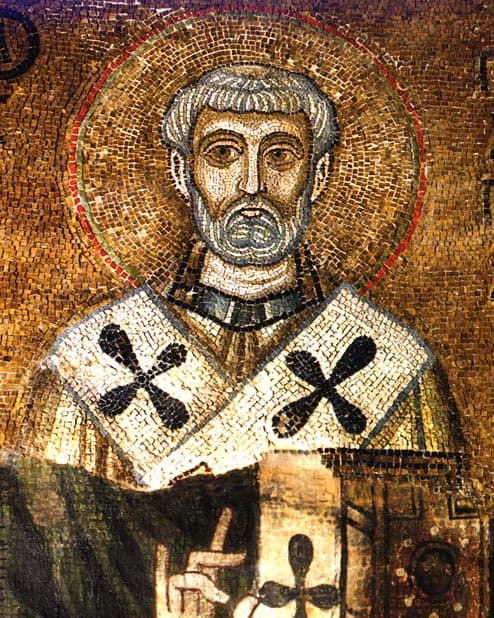
Clement of Rome
Clement of Rome, also known as Pope Clement I, was a significant early Christian leader and the first of the Apostolic Fathers. He is chiefly remembered for his First Epistle to the Corinthians, an early Christian document that asserted apostolic succession and church authority. Legends also describe his martyrdom by being tied to an anchor and thrown into the sea.
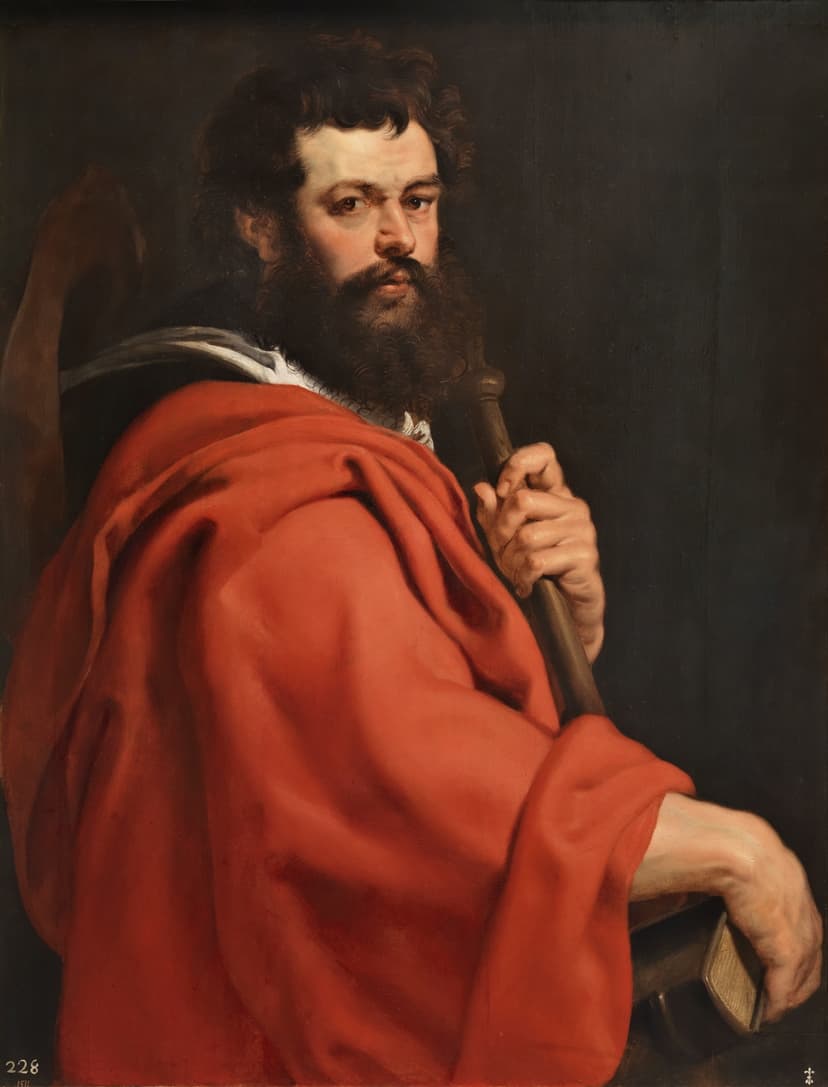
James the Great
James the Great was one of the Twelve Apostles of Jesus and is venerated as the patron saint of Spain. He is remembered as the second apostle to die and the first martyr, executed by King Herod Agrippa. Tradition holds that his relics are interred in Santiago de Compostela, Spain, a site that became a major pilgrimage destination.
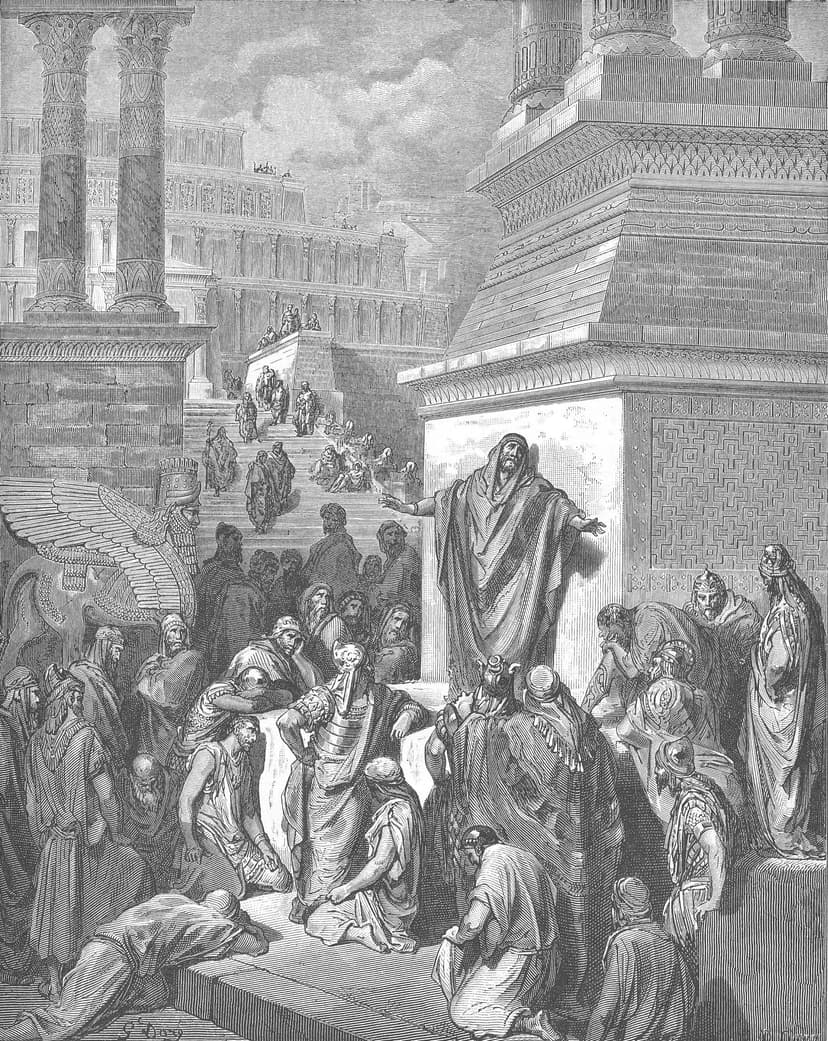
Jonah
Jonah was a Jewish prophet from the Northern Kingdom of Israel in the 8th century BCE, central to the Book of Jonah. He is remembered for his reluctance to deliver God's judgment to Nineveh and his miraculous survival after being swallowed by a large fish. His story is significant in Judaism for its teachings on repentance, in Christianity as a prefigurement of Jesus' resurrection, and in Islam as a revered prophet.