
James the Great
July 25·1st century·Spain
James the Great was one of the Twelve Apostles of Jesus and is venerated as the patron saint of Spain. He is remembered as the second apostle to die and the first martyr, executed by King Herod Agrippa. Tradition holds that his relics are interred in Santiago de Compostela, Spain, a site that became a major pilgrimage destination.
Key Facts
- ›James the Great was an apostle of Jesus, son of Zebedee and Salome, and brother of John the Apostle.
- ›He was considered a cousin of Jesus due to his mother Salome being a sister of Mary.
- ›James, along with Peter and John, formed an inner circle among the apostles, present at key events like the Transfiguration.
- ›He was martyred by beheading on the orders of King Herod Agrippa, as recorded in the Acts of the Apostles.
- ›Tradition states his remains were transported to Galicia, Spain, and buried in what is now Santiago de Compostela.
- ›The scallop shell is his traditional emblem, adopted by pilgrims undertaking the Way of St. James.
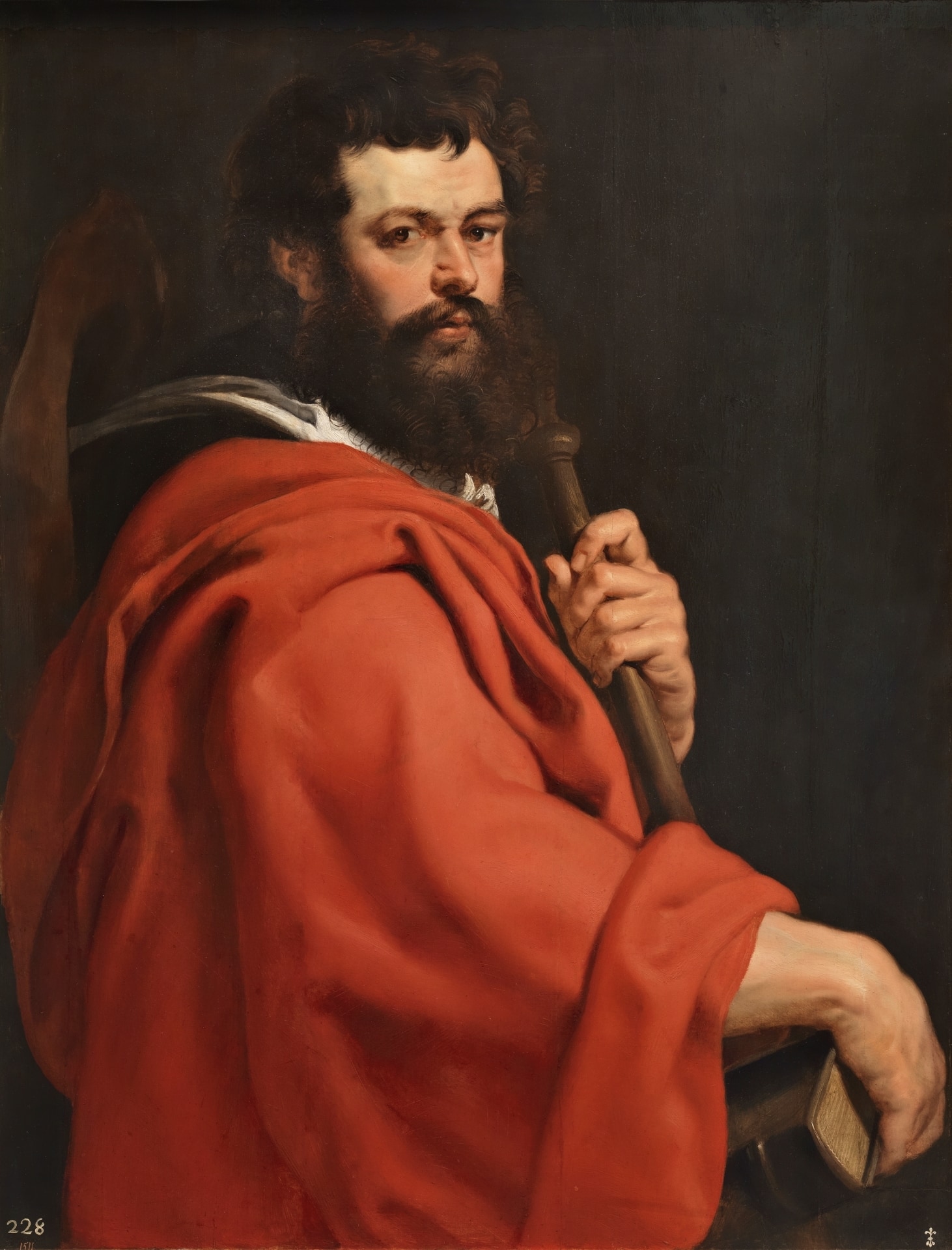
James, son of Zebedee, James, brother of John, Saint James the Great, Saint James the Greater, St. James Son of Thunder, St. James the Major, Saint James the Elder, Saint Jacob, James the Apostle, Santiago
Spain, Pilgrims
Scallop Shell
About James the Great
James the Great, also known as James, son of Zebedee, was one of the Twelve Apostles chosen by Jesus. Born into a family of fishermen on the Sea of Galilee, his parents were Zebedee and Salome. Salome's relation to Mary, the mother of Jesus, made James a cousin of Jesus. James is distinguished from another apostle, James 'the Lesser,' by the epithet 'the Great,' signifying his elder status rather than greater importance. He and his brother, John the Apostle, were among Jesus' earliest disciples.
Life and Ministry
James, along with his brother John and Peter, formed an inner circle among the apostles, privy to significant events during Jesus' public ministry. They were present at the raising of Jairus' daughter, the Transfiguration of Jesus, and Jesus' agony in the Garden of Gethsemane. James and John famously asked Jesus for prominent positions in his glory, a request met with a rebuke that highlighted the nature of true discipleship. They also exhibited a zealous temperament, earning the nickname 'Boanerges,' or 'Sons of Thunder,' from Jesus.
Martyrdom and Legacy
According to the New Testament, James was martyred by King Herod Agrippa, who had him executed by the sword. This event, occurring around 44 AD, marks him as the second apostle to die and the first to be martyred. Tradition holds that his followers transported his body to Hispania, where he is believed to have preached the Gospel. His remains are venerated in Santiago de Compostela in Galicia, Spain, a site that became the focal point of the renowned pilgrimage route known as the Way of St. James. This pilgrimage has been a significant spiritual journey for Western European Catholics since the Early Middle Ages, and the scallop shell, an emblem associated with James, is a widely recognized symbol of this devotion.
Source: Wikipedia ↗
Frequently Asked Questions
Who was James the Great?
James the Great was one of the Twelve Apostles of Jesus Christ. He was known as the son of Zebedee and the brother of John the Apostle, and was one of Jesus' closest disciples.
Why is James the Great called 'the Great'?
He is styled 'the Greater' to distinguish him from another apostle named James, often called 'the Lesser'. The term 'greater' referred to him being older or taller, rather than more important.
How did James the Great die?
According to the Acts of the Apostles, James was executed by King Herod Agrippa, who had him beheaded. He is considered the first of the apostles to be martyred.
What is the significance of Santiago de Compostela?
Santiago de Compostela in Galicia, Spain, is traditionally believed to be the burial site of Saint James the Great. This belief established it as a major pilgrimage destination, known as the Way of St. James.
What is the emblem of Saint James?
The traditional emblem of Saint James is the scallop shell. Pilgrims to his shrine often wore this symbol on their clothing.
When is the feast day of Saint James?
The feast day of Saint James the Great is celebrated on July 25th in the liturgical calendars of many Christian traditions, including Catholic, Orthodox, and Anglican churches.
Related Saints
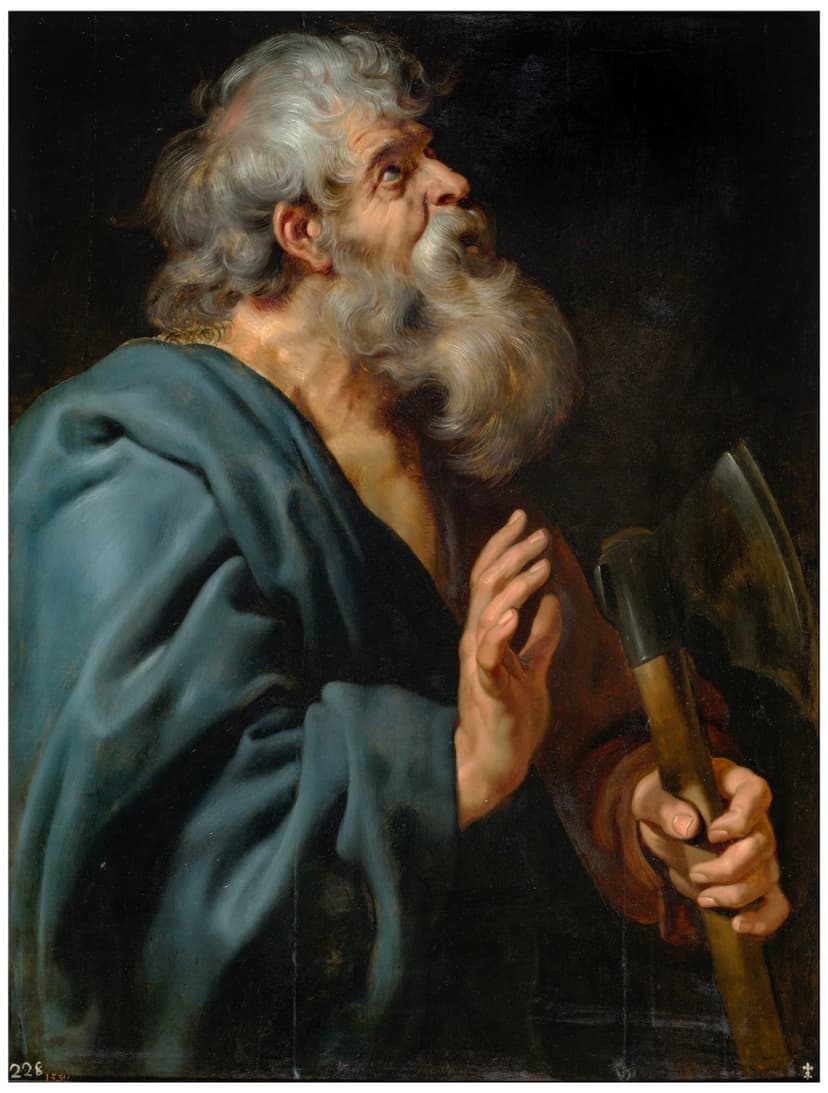
Matthias the Apostle
Matthias the Apostle was chosen by the remaining apostles to replace Judas Iscariot after Judas's betrayal of Jesus. He is remembered for being selected through the casting of lots following Jesus's ascension, a unique event among the apostles. Historical accounts of his ministry and death are varied and often contradictory.
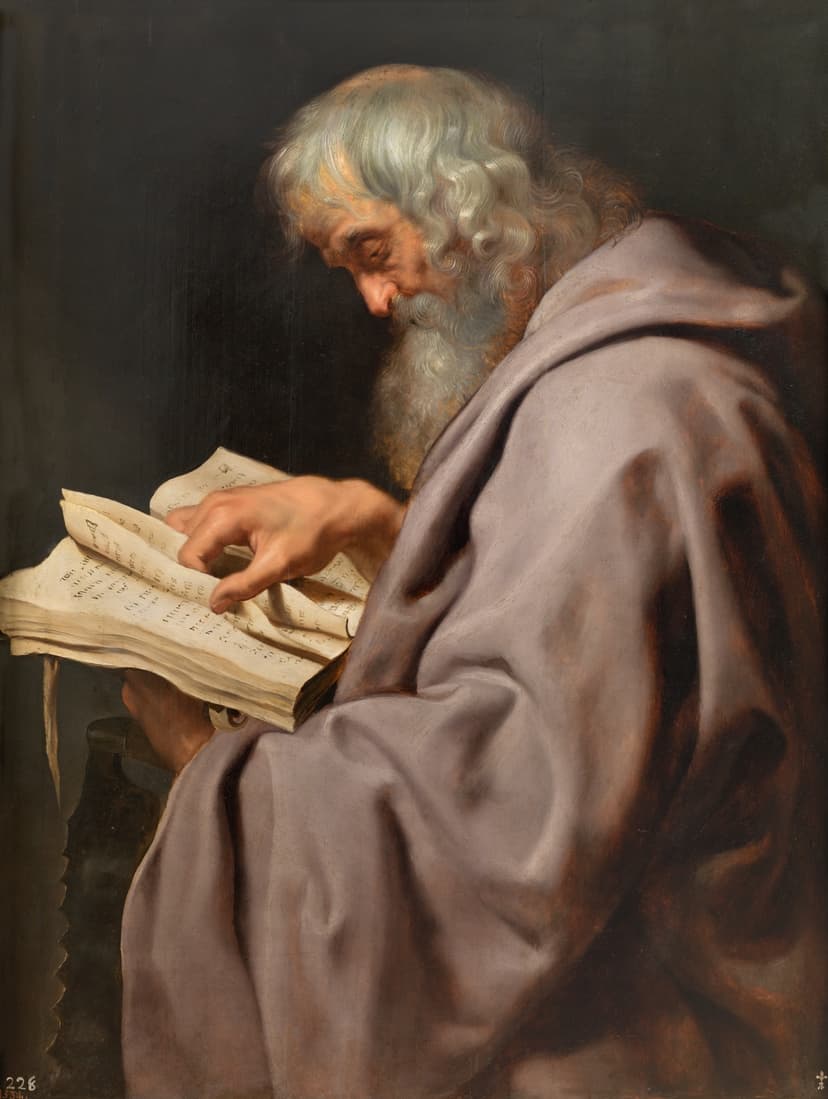
Simon the Zealot
Simon the Zealot was one of the twelve apostles of Jesus, known for his fervor and potentially his former affiliation with the Zealots, a political movement. He is remembered for his missionary work alongside Jude the Apostle, with traditions placing their evangelism across Egypt, Persia, Armenia, and even Britain. While historical details about his life are scarce and often intertwined with legend, he is venerated as a saint across various Christian denominations.
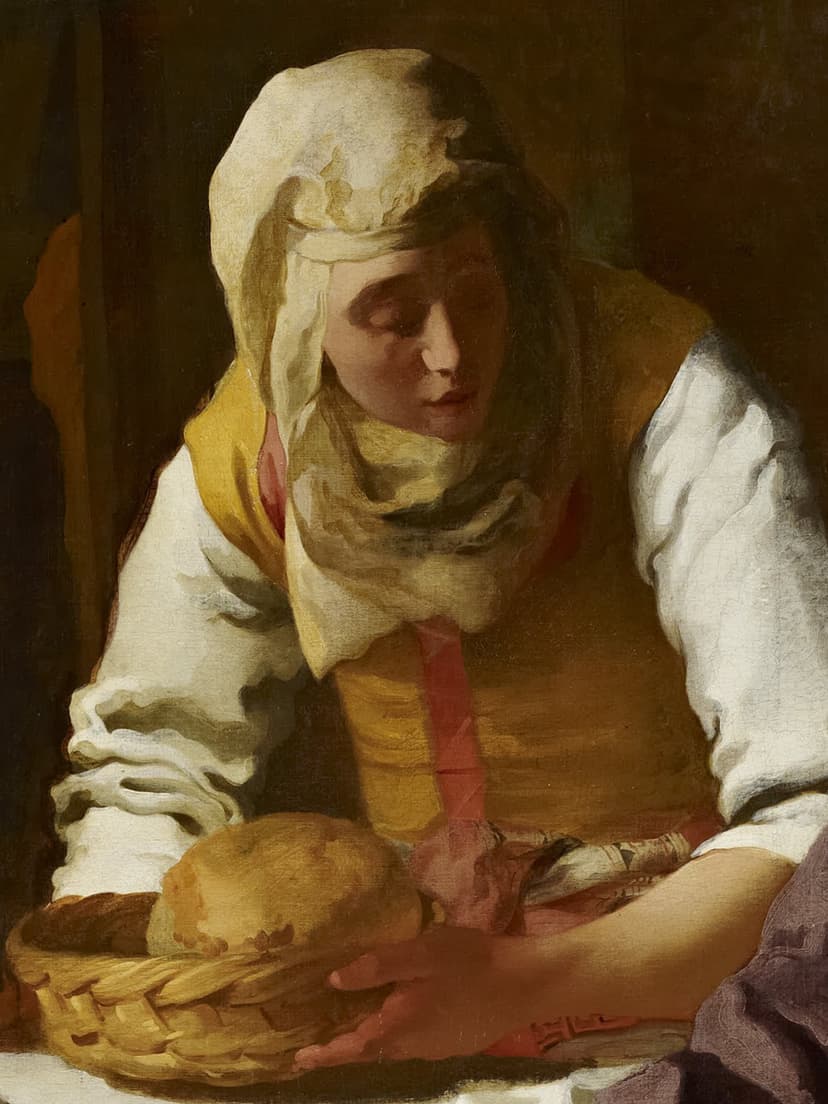
Martha of Bethany
Martha of Bethany was a close follower of Jesus, known for her faith and hospitality, alongside her siblings Lazarus and Mary. She is chiefly remembered for her interactions with Jesus, particularly her concern for serving him and her steadfast belief in his divine power, as depicted in the Gospels of Luke and John. Her legacy includes her veneration as a saint in multiple Christian traditions and her association with various patronages and legends.