
Salome
Salome was a Jewish princess, daughter of Herod II and Herodias, and granddaughter of Herod the Great. She is most famously known for her dance before her stepfather Herod Antipas, which led to the beheading of John the Baptist at her mother's behest, a story that has inspired centuries of art and literature. Historical accounts also record her marriages to Philip the Tetrarch and later Aristobulus of Chalcis, making her a queen.
Key Facts
- ›She was the daughter of Herod II and Herodias, and granddaughter of Herod the Great.
- ›She is known from the New Testament, where she is unnamed, and from the writings of the historian Josephus.
- ›According to the Gospels of Mark and Matthew, she danced for Herod Antipas on his birthday and requested the head of John the Baptist.
- ›Josephus states she was first married to her uncle Philip the Tetrarch and later to her cousin Aristobulus of Chalcis.
- ›Her story has been a significant subject in Western art, literature, and music, often portrayed as a femme fatale.
- ›Her image has been interpreted as an icon of dangerous female seductiveness, or as a symbol of world-old vice.
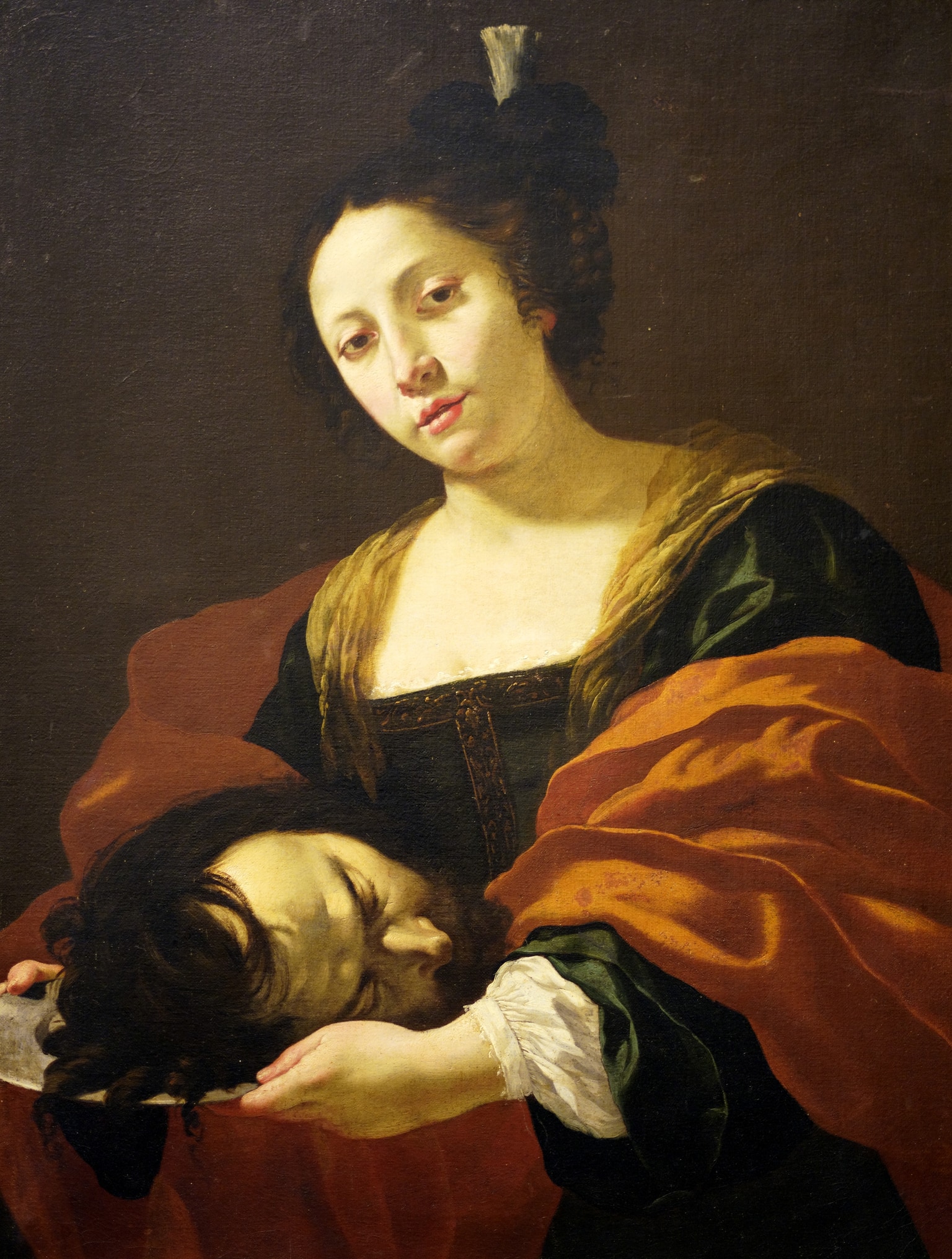
Salome III, Herodias's daughter
Head of John the Baptist, Platter, Dance of the Seven Veils
About Salome
Salome was a Jewish princess of the Herodian dynasty, renowned in religious tradition and historical accounts primarily for her role in the events leading to the beheading of John the Baptist. She was the daughter of Herod II and Princess Herodias, and thus a granddaughter of Herod the Great. Her story is recounted in the New Testament, though she is not named there, and more extensively documented by the Jewish historian Josephus.
Life and Historical Context
According to the Gospels of Mark and Matthew, Salome danced before her stepfather, Herod Antipas, at his birthday celebration. Pleased by her performance, Herod offered her anything she wished, up to half his kingdom. Prompted by her mother, Herodias, who held a grudge against John the Baptist, Salome requested John's head on a platter. Herod, bound by his oath, ordered John's execution.
Josephus provides a more detailed biographical account, identifying her as Salome, daughter of Herodias and Herod II. He states that she was first married to her uncle, Philip the Tetrarch, who died childless. Following Philip's death around AD 34, she married her cousin Aristobulus of Chalcis, becoming queen of Armenia Minor. Josephus's account suggests she lived long enough to have three sons with Aristobulus.
Artistic and Cultural Depictions
The biblical narrative of Salome's dance and her request for John the Baptist's head has been a potent source of inspiration in Western art, literature, and music for centuries. Medieval Christian artists often depicted her as a symbol of lust and temptation, a figure who lures men away from salvation. This interpretation evolved into the archetype of the femme fatale, a dangerous and seductive woman.
Notable artistic representations include paintings by Titian, Gustave Moreau, and Caravaggio. In literature, Oscar Wilde's 1891 play "Salomé" and Richard Strauss's 1905 opera of the same name are iconic works that explore her character, often focusing on her perceived psychological complexity and seductive power. These adaptations, while drawing on historical and biblical sources, frequently imbue her with a more active and often sinister agency than is explicitly detailed in the original texts.
Source: Wikipedia ↗
Frequently Asked Questions
Who was Salome in the Bible?
Salome is the unnamed daughter of Herodias mentioned in the Gospels of Mark and Matthew. She is known for her dance before Herod Antipas on his birthday, after which she requested and received the head of John the Baptist on a platter.
What is Salome remembered for?
She is chiefly remembered for her pivotal role in the execution of John the Baptist, a story that has inspired countless works of art, literature, and music throughout history. She has often been depicted as a temptress or a femme fatale.
What did Josephus say about Salome?
The historian Josephus identifies her as Salome, daughter of Herodias and Herod II. He records that she was first married to her uncle Philip the Tetrarch and later married her cousin Aristobulus of Chalcis, becoming queen of Armenia Minor.
Was Salome really a seductress?
While later artistic and literary interpretations often portray Salome as a seductive femme fatale, particularly in relation to her dance, historical accounts from Josephus suggest she was a normal individual who lived a conventional life, marrying twice and having children.
What is the 'Dance of the Seven Veils' associated with Salome?
The 'Dance of the Seven Veils' is a later elaboration on Salome's biblical dance, often associated with the opera by Richard Strauss based on Oscar Wilde's play. It has become a popular motif in depictions of Salome, symbolizing exoticism and seduction.
Related Saints
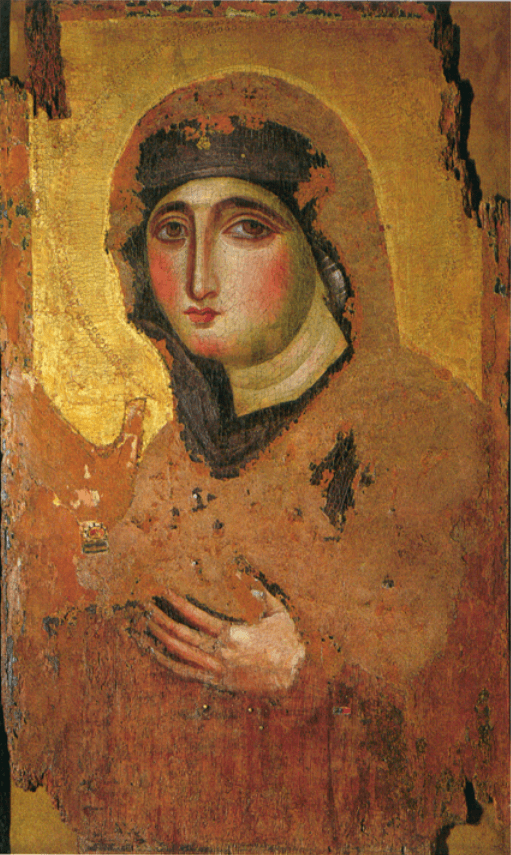
Mary of Nazareth
Mary of Nazareth was a first-century Jewish woman, wife of Joseph and mother of Jesus. She is a pivotal figure in Christianity, venerated for her role as the Mother of God and often called the Blessed Virgin Mary. Her significance extends to Islam, where she is highly revered as Maryam, mother of Isa.
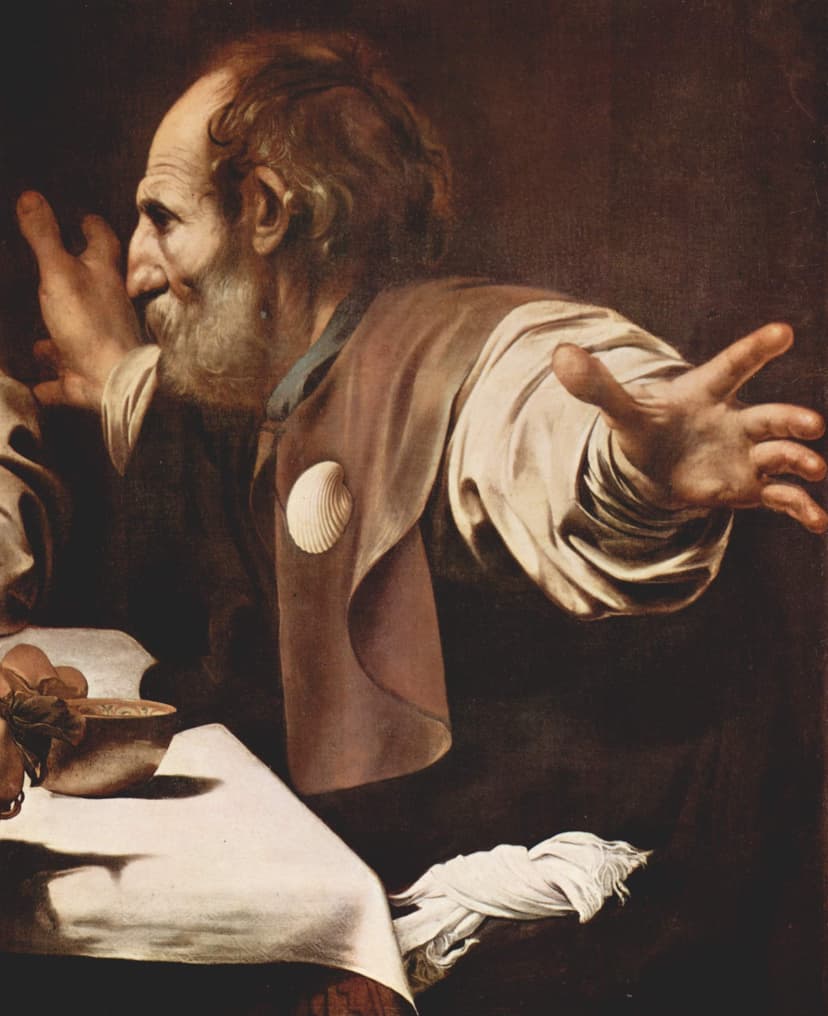
Cleopas of Emmaus
Cleopas was a disciple of Jesus who famously encountered the resurrected Christ on the road to Emmaus, as recorded in the Gospel of Luke. His eyes were opened to recognize Jesus during a meal, leading him and his companion to hasten back to Jerusalem to share the news. He is traditionally identified with Clopas, the brother of Saint Joseph, and is venerated in several Christian traditions.
Gamaliel
Gamaliel the Elder was a prominent Pharisee and a leading authority in the Sanhedrin in the early first century AD. He is recognized in Christian tradition as a teacher of Paul the Apostle and is noted for his counsel of leniency towards the early Christians. In Jewish tradition, he is remembered as a great teacher and president of the Sanhedrin, with a reputation for wisdom and piety.