
Cleopas of Emmaus
September 25·1st century·Judea
Cleopas was a disciple of Jesus who famously encountered the resurrected Christ on the road to Emmaus, as recorded in the Gospel of Luke. His eyes were opened to recognize Jesus during a meal, leading him and his companion to hasten back to Jerusalem to share the news. He is traditionally identified with Clopas, the brother of Saint Joseph, and is venerated in several Christian traditions.
Key Facts
- ›Cleopas is named as one of two disciples walking to Emmaus in Luke 24:13–32.
- ›He encountered the resurrected Jesus, who initially remained unrecognized by him and his companion.
- ›Cleopas' eyes were opened to recognize Jesus when he broke bread at their evening meal.
- ›He is traditionally identified with Clopas, the brother of Saint Joseph, husband of the Virgin Mary.
- ›Traditions suggest Clopas was the father of James the Greater, Simon, and Jude, who were apostles.
- ›Cleopas is commemorated on October 30 in the Eastern Orthodox Church and September 25 in the Roman Martyrology.
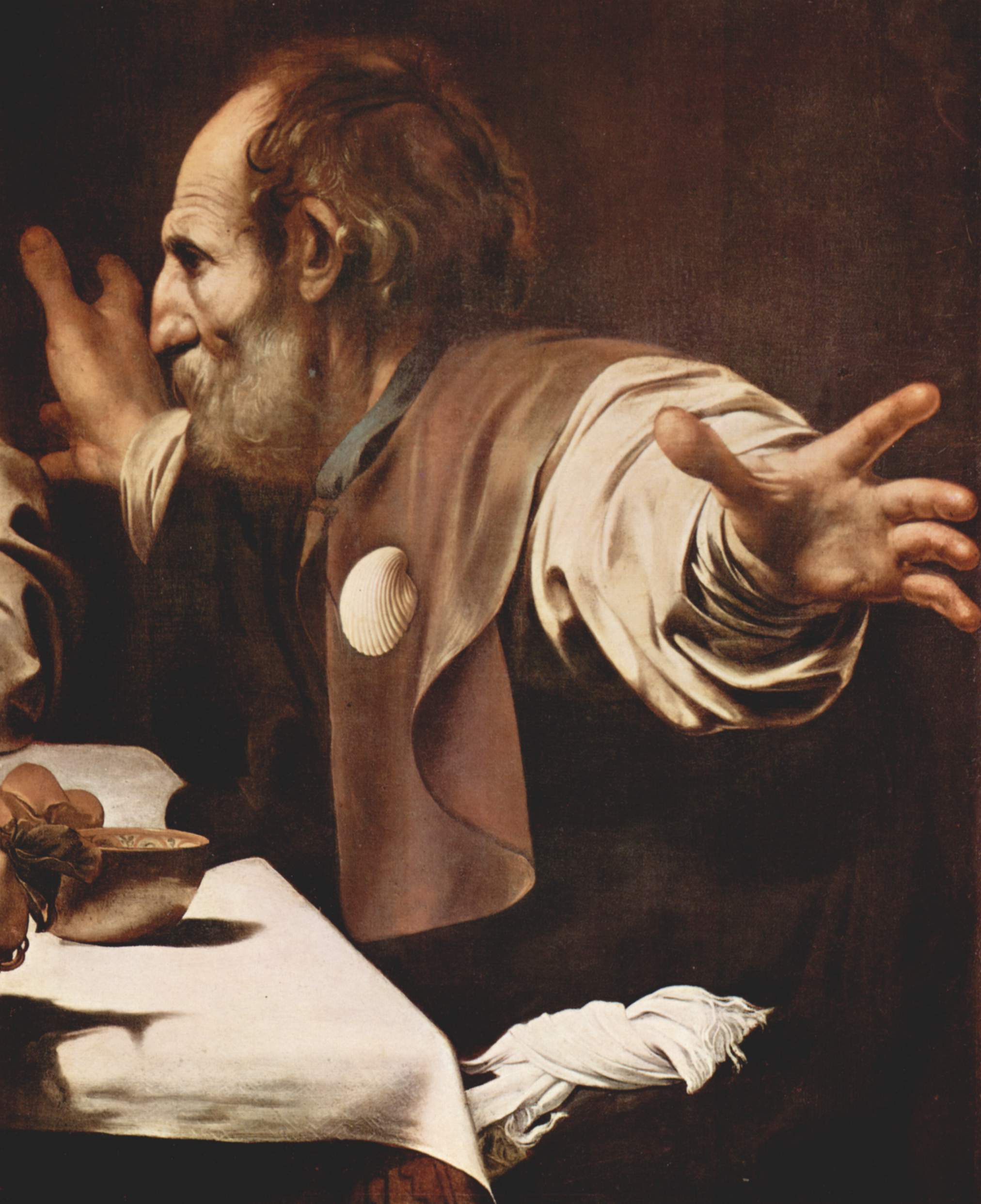
Cleophas
About Cleopas of Emmaus
Cleopas is a figure in early Christianity, primarily known for his appearance in the Gospel of Luke (24:13–32) as one of the two disciples on the Road to Emmaus. This pivotal encounter occurred on the same day as Jesus' resurrection, three days after his crucifixion.
The Road to Emmaus
The Gospel of Luke describes Cleopas and his unnamed companion walking from Jerusalem to Emmaus. They were discussing the recent events surrounding Jesus' crucifixion and the report of the empty tomb, yet they had not yet fully grasped the significance of the Resurrection. A stranger joined them, and despite their eyes being 'kept from recognizing him,' he rebuked their unbelief and expounded on prophecies concerning the Messiah. When they invited the stranger to share their evening meal, their eyes were opened at the moment he broke bread, and they recognized him as the resurrected Jesus, who then vanished.
Traditions and Identity
Cleopas is not mentioned again in the New Testament, but tradition has often identified him with Clopas, a figure mentioned in the Gospel of John (19:25) as the husband of Mary of Clopas. Early Church historians like Hegesippus and Epiphanius, quoting earlier sources, suggest that Clopas was the brother of Saint Joseph, making him an uncle to Jesus. This tradition also links him to the apostles James the Greater, Simon, and Jude, who are sometimes referred to as his sons or nephews.
Veneration
Cleopas is venerated in several Christian traditions. He is commemorated on October 30 in the Eastern Orthodox Church, on September 25 in the Roman Martyrology, and on November 10 in the Coptic Orthodox Church. The Roman Martyrology entry summarizes his significant appearance in Luke's account of the Emmaus encounter.
Source: Wikipedia ↗
Frequently Asked Questions
Who was Cleopas?
Cleopas was an early Christian disciple who is named in the Gospel of Luke as one of two disciples walking to Emmaus. He encountered the resurrected Jesus on this journey, an event central to the post-Resurrection accounts.
What happened to Cleopas on the road to Emmaus?
While walking with a companion, Cleopas met Jesus, though they did not initially recognize him. Jesus rebuked their unbelief and explained prophecies about the Messiah. Later, during an evening meal, Jesus broke bread, and their eyes were opened to recognize him before he vanished.
Is Cleopas the same person as Clopas?
Yes, Catholic and Eastern Orthodox traditions hold that Cleopas is the same person as Clopas, who is mentioned in the Gospel of John. Clopas is also believed to be the brother of Saint Joseph.
What is the significance of Cleopas' encounter with Jesus?
The encounter on the road to Emmaus is significant because it demonstrates Jesus' post-Resurrection appearance and his role in opening the disciples' understanding of scripture. It also highlights the importance of recognizing Jesus in the breaking of bread.
When is Cleopas commemorated?
Cleopas is remembered liturgically on October 30 in the Eastern Orthodox Church, September 25 in the Roman Martyrology, and November 10 in the Coptic Orthodox Church.
Related Saints
Ananias of Damascus
Ananias of Damascus was a disciple of Jesus in Damascus, known for his pivotal role in the conversion of Saul of Tarsus. He was divinely instructed to heal Saul's blindness and provide him with further teaching, thereby initiating Paul the Apostle's ministry to the Gentiles.
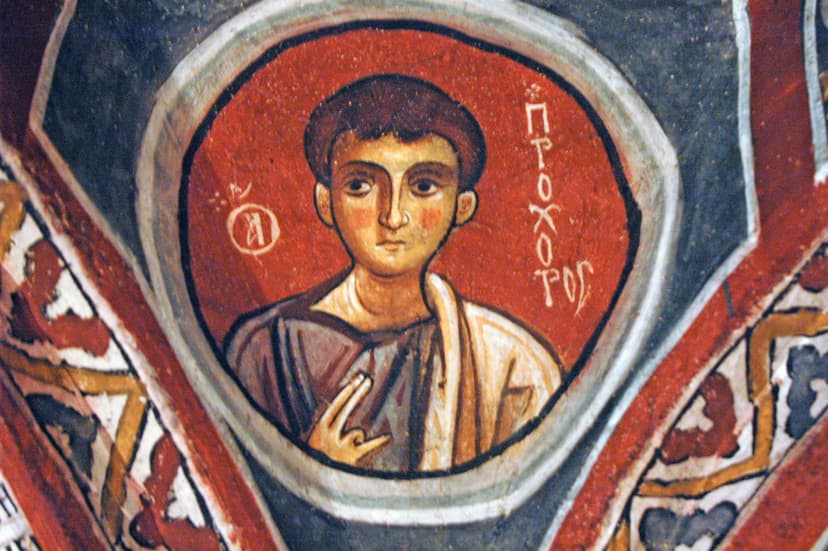
Prochorus the Deacon
Prochorus was one of the Seven Deacons chosen to care for the poor in the early Christian community of Jerusalem. He is also traditionally counted among the Seventy Disciples sent out by Jesus. Prochorus is remembered for his role in the early church and is depicted in Orthodox iconography as a scribe of John the Theologian.
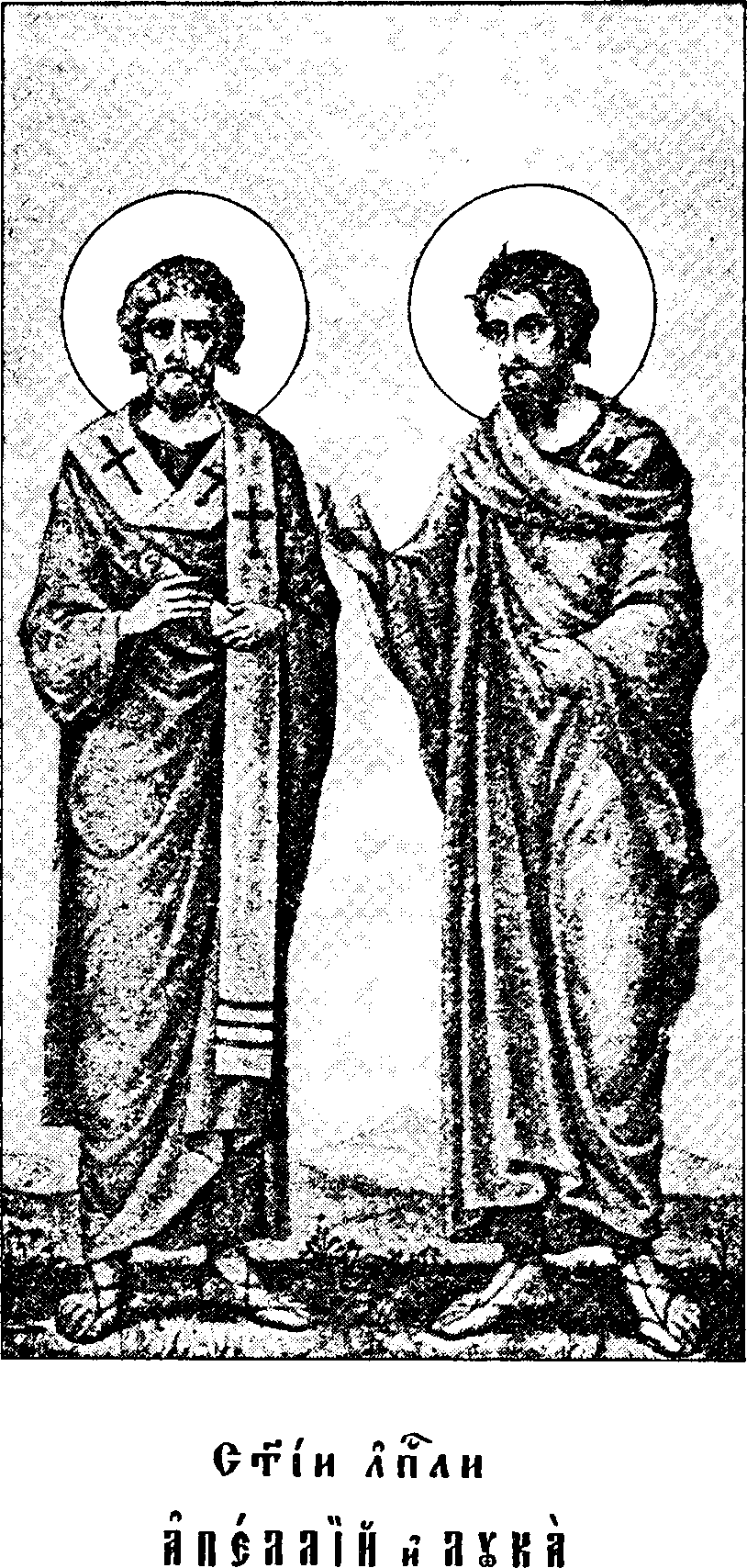
Apelles of Heraklion
Apelles of Heraklion was numbered among the Seventy Disciples and assisted Saint Andrew. He served as the bishop of Heraclea in Trachis and is remembered for his teachings on unity, forgiveness, and inclusivity within the early Christian community. His emphasis on communal bonds and universal acceptance contributed to the early Christian message.