
Matthias the Apostle
May 14·1st century·Jerusalem
Matthias the Apostle was chosen by the remaining apostles to replace Judas Iscariot after Judas's betrayal of Jesus. He is remembered for being selected through the casting of lots following Jesus's ascension, a unique event among the apostles. Historical accounts of his ministry and death are varied and often contradictory.
Key Facts
- ›Matthias was chosen to replace Judas Iscariot among the twelve apostles.
- ›His selection involved the casting of lots after Jesus's ascension.
- ›He is said to have accompanied Jesus from his baptism by John to his ascension.
- ›Traditions vary regarding his ministry, with some placing it in Cappadocia and along the Caspian Sea, and others in Aethiopia.
- ›Accounts of his death include being stoned by Jews and then beheaded by a Roman soldier, dying of old age in Jerusalem, or being crucified.
- ›His feast day was historically celebrated on February 24th but was moved to May 14th in the Roman Calendar.
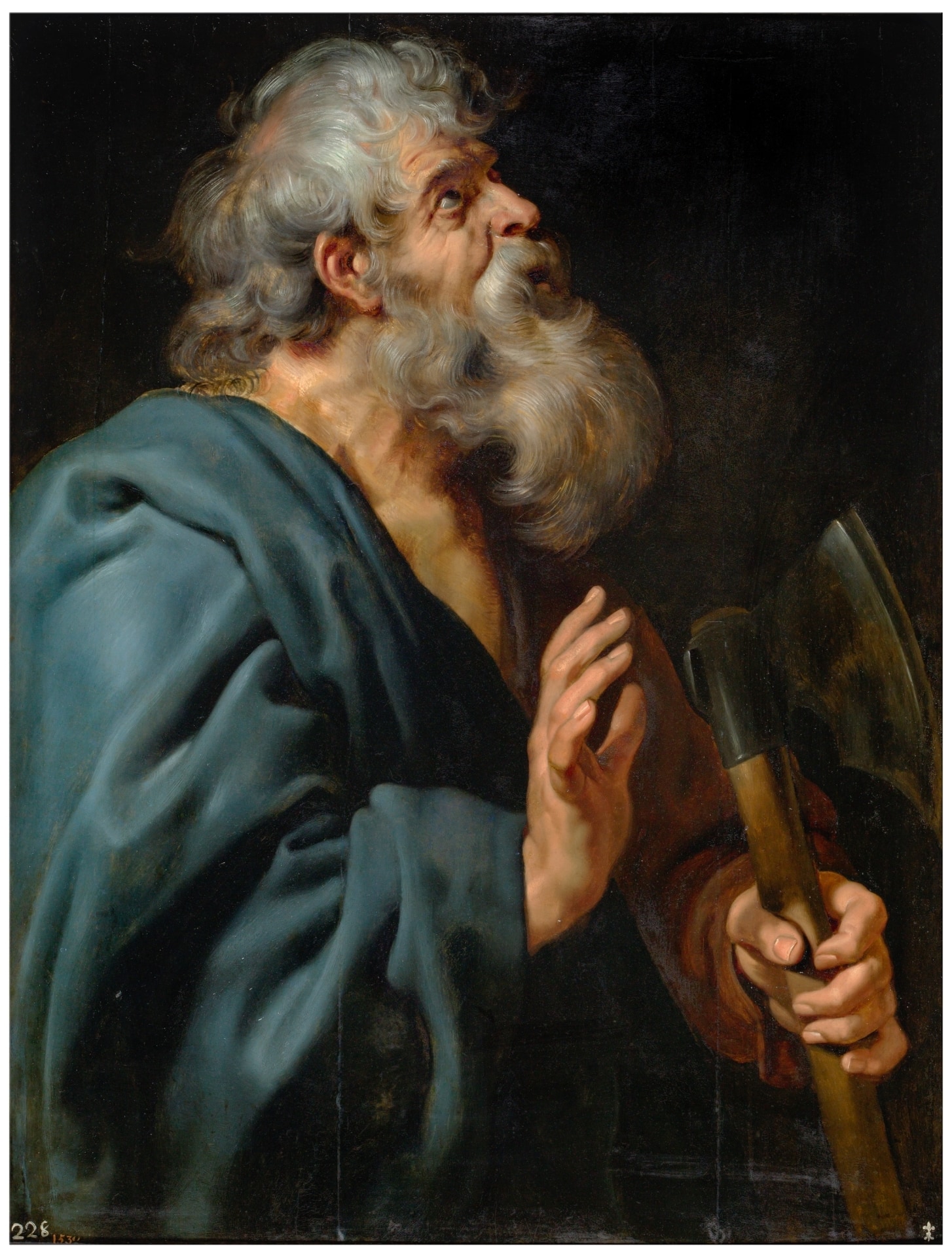
Tolmai, Nathanael
About Matthias the Apostle
Matthias the Apostle is recognized as one of the Twelve Apostles of Jesus Christ. His unique distinction among the apostles lies in his selection to replace Judas Iscariot, who betrayed Jesus and died shortly thereafter. According to the Acts of the Apostles, Matthias was chosen not through direct appointment but by the casting of lots, a method employed by the remaining apostles following Jesus's ascension into heaven.
Life and Ministry
While not mentioned in the synoptic gospels, the Book of Acts states that Matthias had been a follower of Jesus throughout his ministry, from his baptism by John the Baptist until his ascension. After Judas's betrayal and death, Peter proposed to the assembled disciples that two candidates be nominated to fill the vacant apostleship. Joseph called Barsabbas (also known as Justus) and Matthias were chosen by the group. A prayer was offered asking for divine guidance, and the casting of lots resulted in Matthias being selected and numbered with the eleven apostles.
Details concerning Matthias's subsequent ministry and death vary significantly across historical traditions. Some accounts suggest he preached the Gospel in Judaea and then in Aethiopia, possibly reaching the region of Colchis. Other traditions place his ministry in Cappadocia and along the coasts of the Caspian Sea, residing near the port of Hyssus. A marker at the Roman fortress in Gonio, Georgia, claims he is buried there. The Synopsis of Dorotheus states he died in Sebastopolis and was buried near the Temple of the Sun.
Martyrdom and Death
Conflicting accounts exist regarding the manner of Matthias's death. One tradition asserts that he was brought before the council of high elders for preaching Christ as the Son of God. Enraged, they sentenced him to be stoned alive in Jerusalem. It is further recounted that after being stoned and left half-dead, a Roman soldier beheaded him. Another tradition, attributed to Hippolytus of Rome, states that Matthias died of old age in Jerusalem.
Writings and Veneration
Fragments of a lost text known as the Gospel of Matthias have been attributed to him, though early Church Fathers in the 2nd century considered these writings to be heretical. The veneration of Saint Matthias became established in the Roman Calendar in the 11th century, with his feast day initially observed on February 24th. In a revision of the General Roman Calendar in 1969, his feast was moved to May 14th, placing it within the Eastertide season.
Tradition holds that the relics of Saint Matthias were brought to Rome. Parts are said to be interred at the Abbey of Santa Giustina in Padua and the Abbey of St. Matthias in Trier, Germany. Greek sources, however, suggest his remains are buried at the castle of Gonio-Apsaros in Georgia.
Source: Wikipedia ↗
Frequently Asked Questions
How was Matthias chosen to be an apostle?
Matthias was chosen by the remaining apostles, numbering about 120 disciples. They nominated two men, Joseph Barsabbas and Matthias, and then cast lots to determine God's choice. The lot fell to Matthias, making him one of the Twelve.
When did Matthias live?
Matthias is believed to have died around AD 80. His ministry and death are subjects of varied traditions, but his inclusion as an apostle places him in the 1st century.
What are the different accounts of Matthias's death?
Tradition holds conflicting accounts of Matthias's death. Some traditions state he was stoned by Jews in Jerusalem and then beheaded by a Roman soldier. Other accounts suggest he died of old age in Jerusalem, or was crucified in Aethiopia.
Where are Matthias's relics believed to be located?
Relics attributed to Saint Matthias are said to have been brought to Italy by Empress Helena. Portions are claimed to be interred at the Abbey of Santa Giustina in Padua, and another part at the Abbey of St. Matthias in Trier, Germany. Greek sources, however, claim his remains are buried in Georgia.
Why was Matthias's feast day moved?
Matthias's feast day was originally celebrated on February 24th. In 1969, it was moved to May 14th within the Roman Calendar to avoid coinciding with Lent and to place it closer to the Solemnity of the Ascension, the event following which he was chosen.
Related Saints
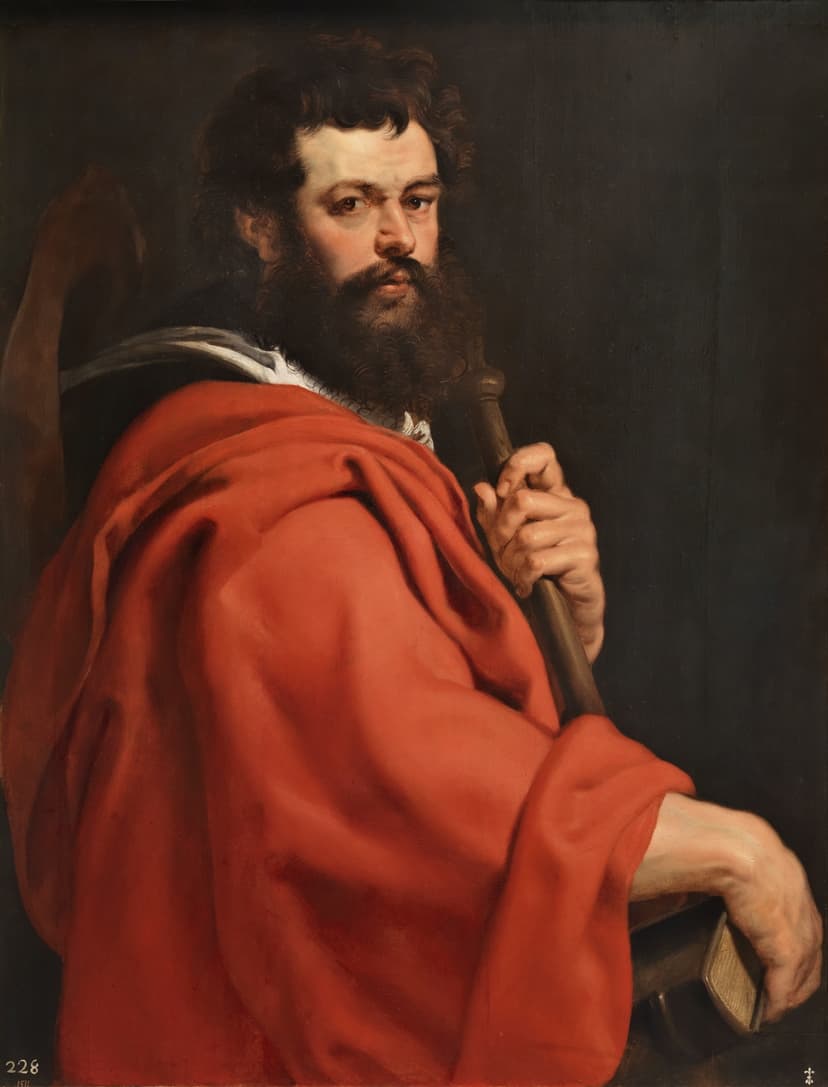
James the Great
James the Great was one of the Twelve Apostles of Jesus and is venerated as the patron saint of Spain. He is remembered as the second apostle to die and the first martyr, executed by King Herod Agrippa. Tradition holds that his relics are interred in Santiago de Compostela, Spain, a site that became a major pilgrimage destination.
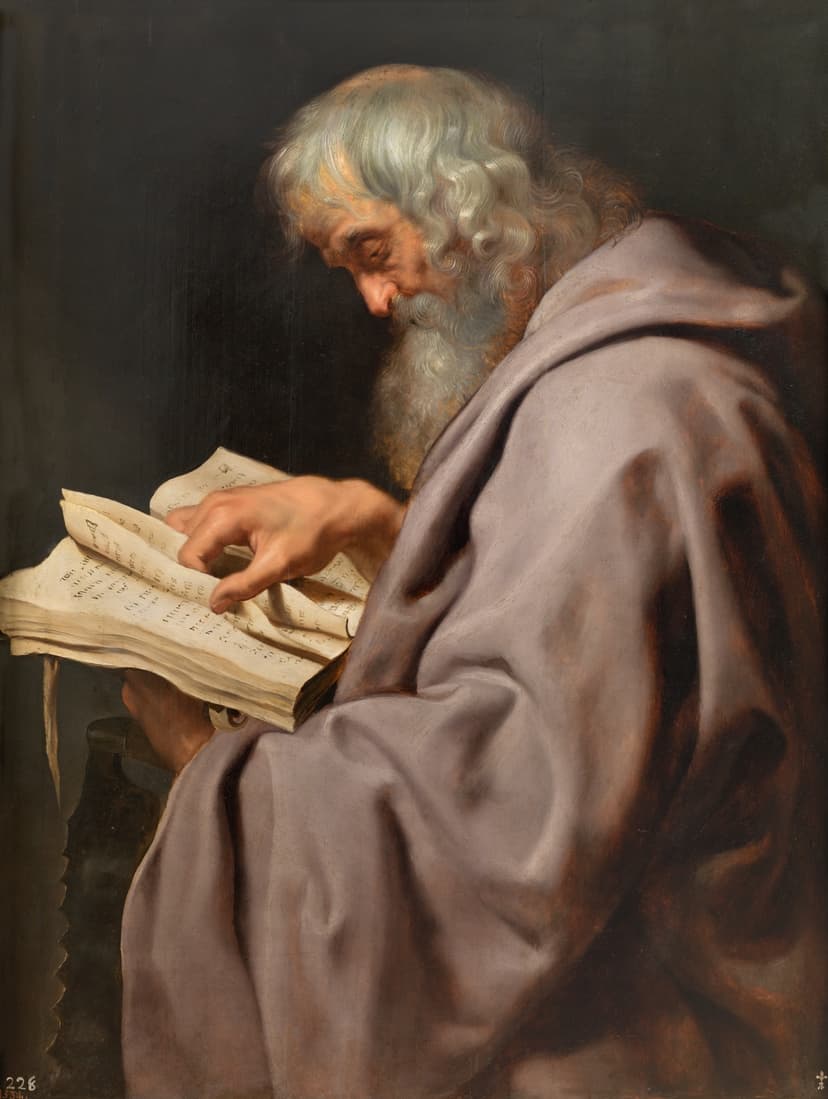
Simon the Zealot
Simon the Zealot was one of the twelve apostles of Jesus, known for his fervor and potentially his former affiliation with the Zealots, a political movement. He is remembered for his missionary work alongside Jude the Apostle, with traditions placing their evangelism across Egypt, Persia, Armenia, and even Britain. While historical details about his life are scarce and often intertwined with legend, he is venerated as a saint across various Christian denominations.
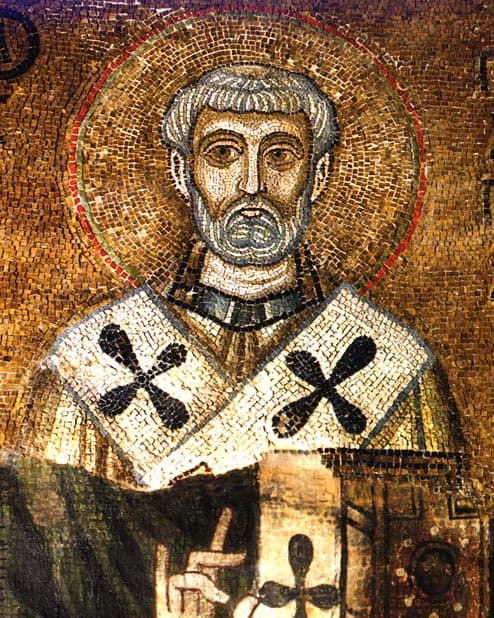
Clement of Rome
Clement of Rome, also known as Pope Clement I, was a significant early Christian leader and the first of the Apostolic Fathers. He is chiefly remembered for his First Epistle to the Corinthians, an early Christian document that asserted apostolic succession and church authority. Legends also describe his martyrdom by being tied to an anchor and thrown into the sea.