
Abibos of Nekresi
November 29·6th century·Georgia
Abibos of Nekresi was one of the thirteen Assyrian apostles who brought Christianity to Georgia in the 6th century, serving as the bishop of Nekresi. He is remembered for his missionary work among both Georgians and mountain tribes, and for his martyrdom under Persian Zoroastrian rule. Abibos was stoned to death by Zoroastrian Persians for dousing a sacred flame.
Key Facts
- ›He was one of thirteen Assyrian apostles who arrived in Georgia under the leadership of St. Ioane of Zedazeni.
- ›He served as the bishop of Nekresi in eastern Georgia.
- ›Abibos spread Christianity among Georgians and mountain tribes such as the Dagestani/Didoians.
- ›He was captured and martyred by Zoroastrian Persians for dousing a sacred flame.
- ›His body was stolen by priests and monks and buried at Samtavisi Monastery.
- ›His relics were later relocated to Samtavro Monastery in Mtskheta.
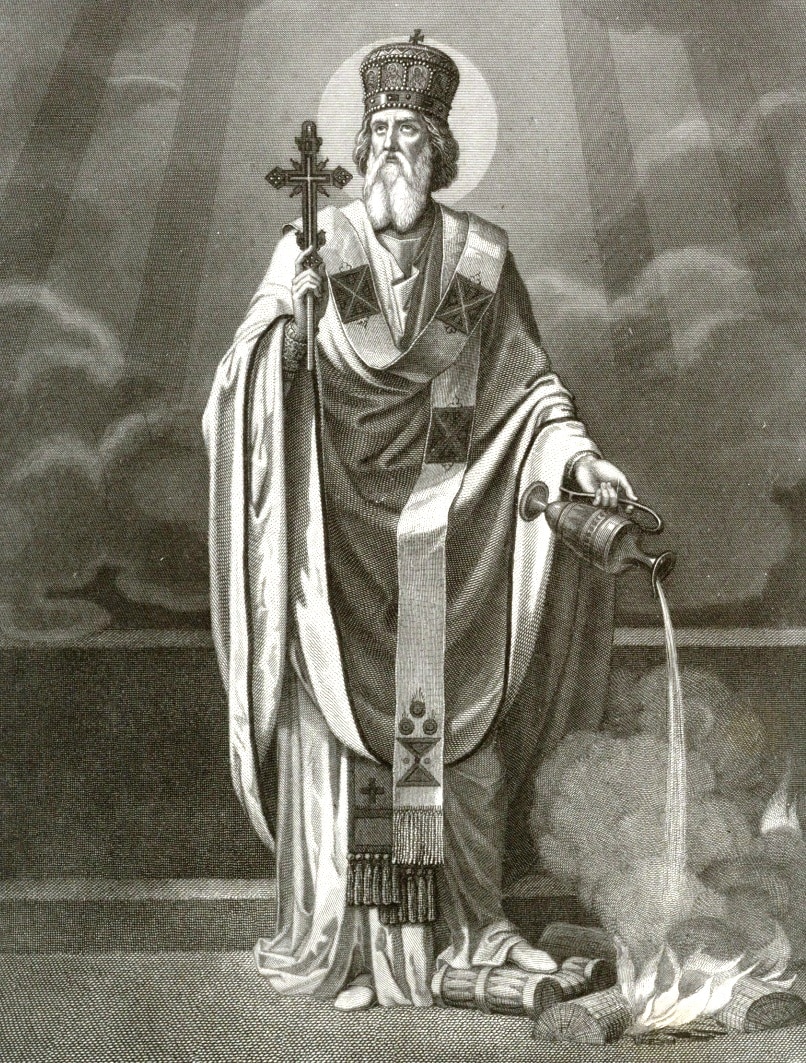
Abibos nek'reseli
About Abibos of Nekresi
Abibos of Nekresi, also known by his Georgian name Abibos nek'reseli, was a significant figure in the early Christianization of Georgia, active in the 6th century. He is recognized as one of the thirteen Assyrian apostles who came to Georgia under the spiritual leadership of St. Ioane of Zedazeni (John of Zedazeni), playing a crucial role in establishing the faith in the region.
Life and Ministry
Serving as the bishop of Nekresi, Abibos established his episcopal see in a village situated in the hills of Kakheti, in eastern Georgia. His missionary zeal extended beyond the Georgian populace; historical accounts, such as the chronicle Life of Kartli, state that he also spread Christianity among the mountain tribes, including the Dagestani/Didoians, who are considered ancient predecessors of modern Dagestani peoples. This outreach indicates a broad and inclusive approach to evangelization in a complex geopolitical and religious landscape.
Martyrdom
During Abibos's time, eastern Georgia was under Persian rule, where Zoroastrianism was the dominant religion. His commitment to his faith led to a confrontation with Zoroastrian priests. According to tradition, Abibos defied them by dousing a sacred Zoroastrian flame with water. This act resulted in his capture, brutal beating, and subsequent trial before the marzban (governor). Despite receiving a letter of encouragement and an eulogia from Simeon the Stylite of the Wonderful Mountain, Abibos was ultimately condemned.
He was stoned to death by Zoroastrian Persians at Rekhi. Following his execution, his body was dragged from the city and left to the beasts, a common practice for those deemed enemies of the state or religion. However, the priests and monks of Rekhi, defying strict prohibitions, managed to retrieve his body and bury it with great honor at Samtavisi Monastery.
Veneration and Relics
Later, during the rule of Prince Stepanoz of Kartli, the relics of St. Abibos were moved from Samtavisi to Samtavro Monastery in Mtskheta. There, they were interred beneath the altar, becoming a focal point for veneration and pilgrimage. His feast day, originally observed on November 12, was later shifted to December 12 (Gregorian calendar) and November 29 (Julian calendar), reflecting the evolving liturgical practices.
Abibos of Nekresi's legacy is preserved through his role as a foundational apostle in Georgia and as a martyr for the Christian faith. His story underscores the challenges faced by early Christians in regions where other religions held sway, and his veneration highlights the enduring impact of missionary work and the veneration of martyrs in the Georgian Orthodox tradition.
Source: Wikipedia ↗
Frequently Asked Questions
Who was Abibos of Nekresi?
Abibos of Nekresi was a 6th-century bishop and one of the thirteen Assyrian apostles who helped spread Christianity in Georgia. He was active in the eastern region of Kakheti.
What is Abibos of Nekresi remembered for?
He is remembered for his missionary efforts, bringing Christianity to both the Georgian people and various mountain tribes in the region. He is also venerated as a martyr.
How did Abibos of Nekresi die?
Abibos of Nekresi was martyred by Zoroastrian Persians. He was captured after dousing a sacred Zoroastrian flame and was subsequently stoned to death.
Where are the relics of Abibos of Nekresi kept?
Initially buried at Samtavisi Monastery, the relics of St. Abibos were later relocated to Samtavro Monastery in Mtskheta, where they are interred beneath the altar.
When is the feast day of Abibos of Nekresi?
His feast day was historically kept on November 12. It was later changed to December 12 (Gregorian calendar) and November 29 (Julian calendar).
Related Saints
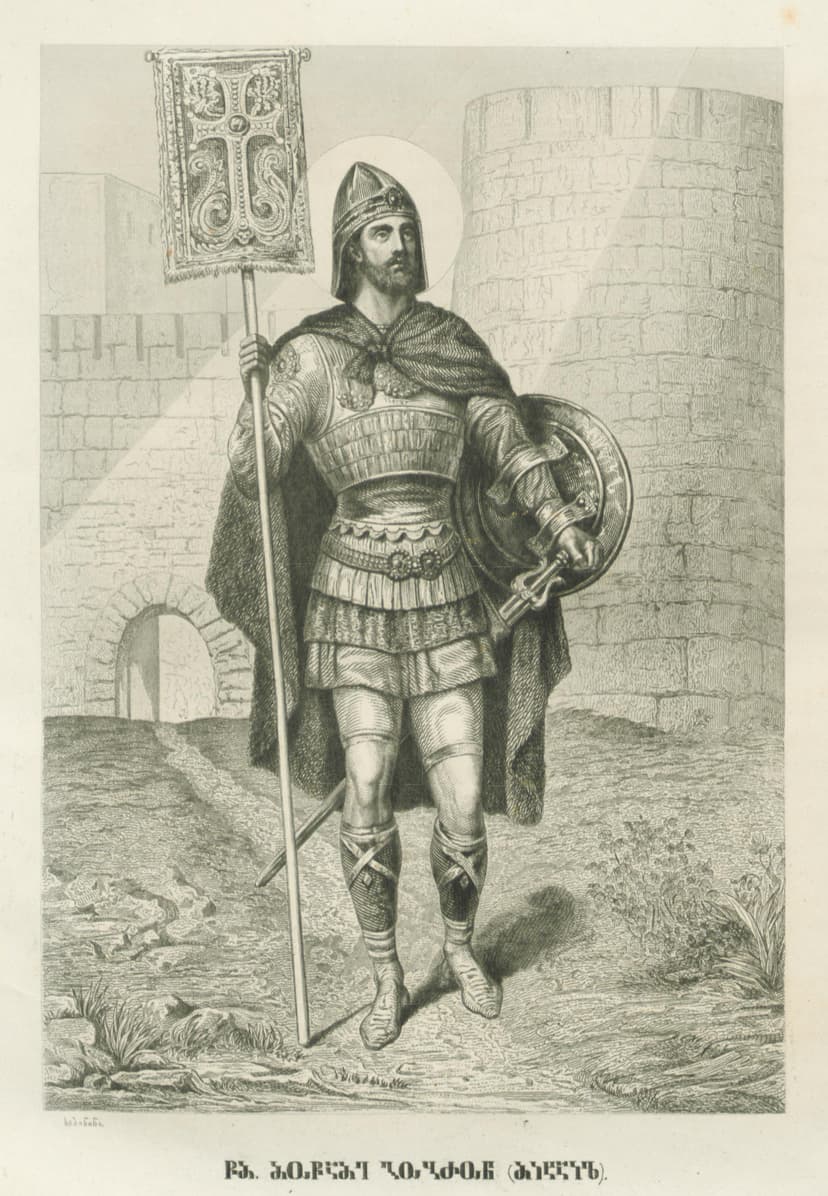
Gobron
Gobron was a Christian Georgian military commander who defended the fortress of Q'ueli against the Sajid emir of Azerbaijan in 914. Despite a fierce defense, the fortress fell, and Gobron was captured and beheaded for refusing to convert to Islam. He is venerated as a saint in the Georgian Orthodox Church for his steadfast faith and martyrdom.
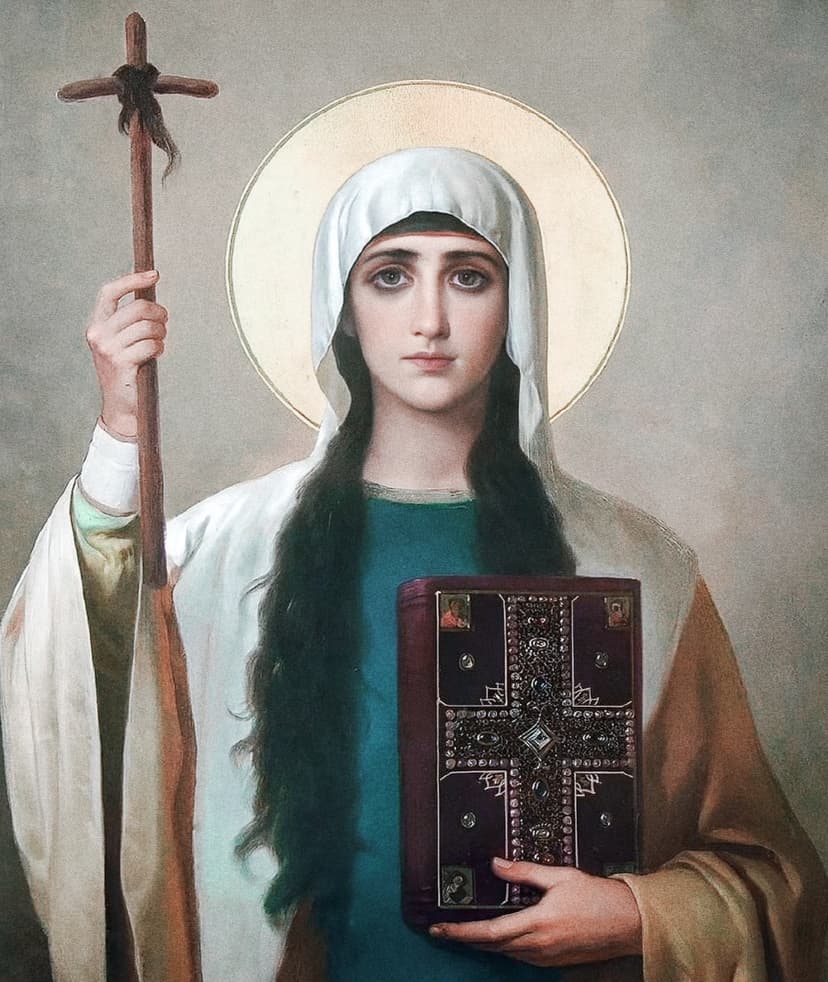
Nino of Georgia
Saint Nino was a woman who preached Christianity in the Kingdom of Iberia, located in present-day Georgia. Her missionary efforts led to the Christianization of the entire country, making Iberia the second Christian state after Armenia. She is chiefly remembered for her role in establishing Christianity in Georgia and is a highly venerated saint in the Georgian Orthodox Church.
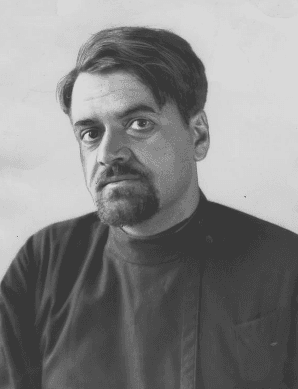
Grigol Peradze
Grigol Peradze was a prominent Georgian ecclesiastic figure, philologist, theologian, historian, and professor of patristics in the interwar period. He is remembered for his scholarly work in patristics and Georgian history, his pastoral care for the Georgian community in Paris, and his martyrdom during World War II. Peradze was canonized as a saint by the Eastern Orthodox Church for his sacrifice and dedication to his faith and fellow prisoners.