
Uluru
Australia·Australia
Uluru, also known as Ayers Rock, is a massive sandstone monolith located in the southern Northern Territory of Australia. It is a deeply sacred site for the Pitjantjatjara people, the Indigenous inhabitants of the region, and is renowned for its striking colour changes at different times of day. As a UNESCO World Heritage Site, Uluru is both a significant natural landmark and a crucial Indigenous cultural site in Australia.
Key Facts
- ›Uluru is a large sandstone monolith situated in the southern Northern Territory of Australia.
- ›It is sacred to the Pitjantjatjara people, known as the Aṉangu, and is part of Uluṟu-Kata Tjuṯa National Park.
- ›The formation stands 348 meters high and is known for appearing to glow red at dawn and sunset due to iron oxide.
- ›Archaeological evidence suggests human settlement in the area dates back over 10,000 years.
- ›European explorers first mapped the area in the 1870s, with William Gosse naming it Ayers Rock in 1873.
- ›It was officially gazetted as Uluru / Ayers Rock in 1993, with the order later reversed to Uluru / Ayers Rock in 2002.
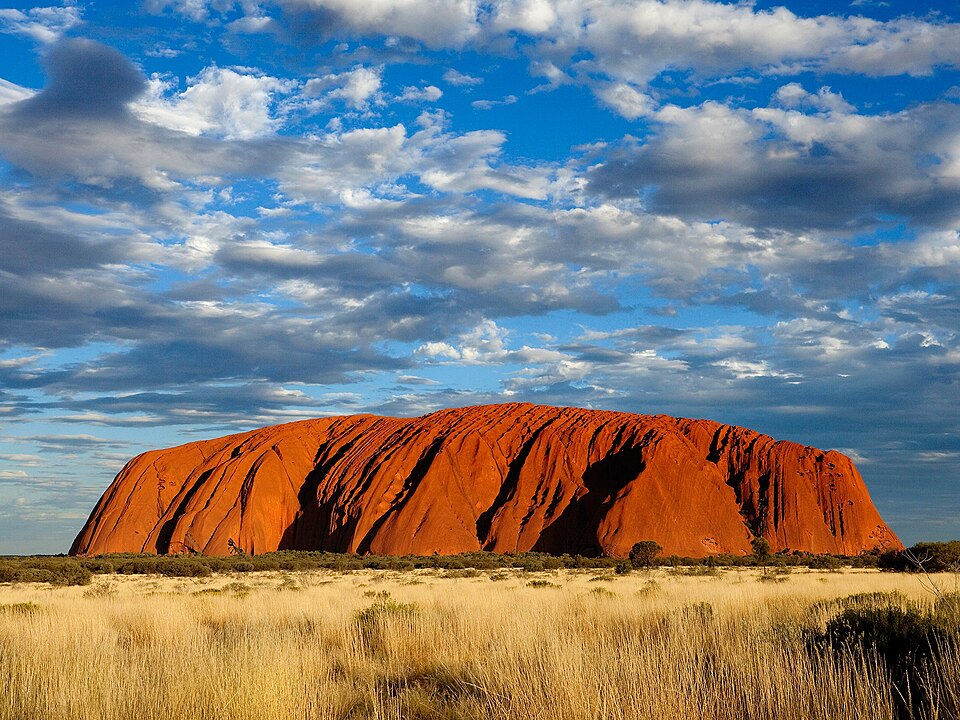
Ayers Rock
Aboriginal Australian Spirituality, Pitjantjatjara Beliefs
- Sacred Site For the AṉAngu People
- Associated With Tjukurpa Stories
- Site of Creation Stories Involving Ancestral Beings
- Symbol of Indigenous Australian Culture and Heritage
- Climbing Prohibited Since October 26, 2019
- Photography Restrictions In Certain Areas Due To Sacred Tjukurpa Beliefs
About Uluru
Uluru: A Sacred Monolith of the Australian Outback
Uluru, also widely recognized as Ayers Rock, is an immense sandstone monolith that stands as one of Australia's most iconic natural and cultural landmarks. Located in the southern part of the Northern Territory, near the geographic center of the continent, it rises dramatically from the surrounding arid landscape. For the Aṉangu people, the traditional custodians of this land, Uluru is a deeply sacred site, interwoven with their ancestral stories and spiritual beliefs.
Description and Geology
The formation itself is a striking geological wonder, standing 348 meters (1,142 ft) above the surrounding plain, with the vast majority of its bulk lying underground. Its surface composition is predominantly arkose, a type of sandstone rich in feldspar, which gives it a characteristic reddish-brown hue due to oxidation of iron-bearing minerals. This composition allows Uluru to exhibit spectacular color changes throughout the day, particularly glowing with intense red and orange tones at sunrise and sunset. The rock's homogeneity and lack of jointing have contributed to its survival against erosion, while the surrounding strata have worn away.
Cultural and Spiritual Significance
Uluru is central to the Tjukurpa, or Dreaming, of the Aṉangu people. This encompasses the creation period when ancestral beings shaped the land, and their spirits continue to inhabit the landscape. Numerous creation stories are associated with Uluru, detailing the actions of ancestral beings such as serpents, hare-wallabies (Mala), and poisonous snakes (Liru) that formed its features and influenced its spiritual significance. These stories guide the Aṉangu's relationship with the land and dictate cultural practices, including restrictions on photography in certain areas linked to gender-specific rituals.
History and Tourism
Evidence of human habitation in the Uluru region dates back over 10,000 years. European explorers arrived in the 1870s, with William Gosse naming the monolith Ayers Rock in 1873. The area became a popular tourist destination from the mid-20th century, leading to the development of infrastructure. In 1985, the Australian government returned ownership of Uluru to the Pitjantjatjara people, with a 99-year leaseback agreement for joint management of the Uluṟu-Kata Tjuṯa National Park.
Climbing Ban and Current Access
For many years, climbing Uluru was a popular activity for visitors. However, due to its profound spiritual significance to the Aṉangu and the fact that the climbing path crosses sacred ancestral tracks, they requested that visitors refrain from climbing. On October 26, 2019, climbing Uluru was officially prohibited. Visitors are now encouraged to explore the base of the monolith and learn about its cultural and natural significance through guided walks and designated viewing areas. The park is a UNESCO World Heritage Site, recognized for both its natural beauty and its outstanding cultural importance.
Source: Wikipedia ↗
Frequently Asked Questions
What is Uluru?
Uluru is a large sandstone monolith located in the southern Northern Territory of Australia. It is one of Australia's most recognizable natural landmarks and holds immense cultural and spiritual significance for the local Indigenous people.
Why is Uluru considered sacred?
Uluru is sacred to the Pitjantjatjara people, the Aṉangu, who are the traditional owners of the land. The area around the formation is rich in springs, waterholes, caves, and ancient paintings, all tied to their ancestral stories and traditions known as Tjukurpa or Dreaming.
What is the significance of Uluru's changing colours?
Uluru is famous for its dramatic colour changes throughout the day, most notably appearing to glow red at dawn and sunset. This phenomenon is caused by the iron oxide content in the sandstone, which oxidizes and gives the rock its distinctive hue.
When was Uluru returned to its traditional owners?
The Australian government returned ownership of Uluru to the local Pitjantjatjara people on October 26, 1985. This return came with a condition that the Aṉangu would lease it back to the National Parks and Wildlife agency for 99 years for joint management.
Can visitors still climb Uluru?
No, climbing Uluru has been prohibited since October 26, 2019. The traditional owners, the Aṉangu, requested that visitors refrain from climbing due to its great spiritual significance and the path crossing sacred Dreamtime tracks. The chains that once aided the climb were removed at that time.
What is the geological composition of Uluru?
Uluru is primarily composed of coarse-grained arkose, a type of sandstone rich in feldspar, with some conglomerate. The minerals suggest derivation from granite sources, and its formation is linked to the Petermann Orogeny period.
Related Sacred Mountains

Mount Athos
Mount Athos is a mountain and peninsula in northeastern Greece, a significant center of Eastern Orthodox monasticism. Governed by its monastic community, it is ecclesiastically under the Patriarch of Constantinople and is a UNESCO World Heritage Site due to its religious importance, well-preserved architecture, and natural environment. Access is restricted, particularly for women, by both Greek law and religious tradition.
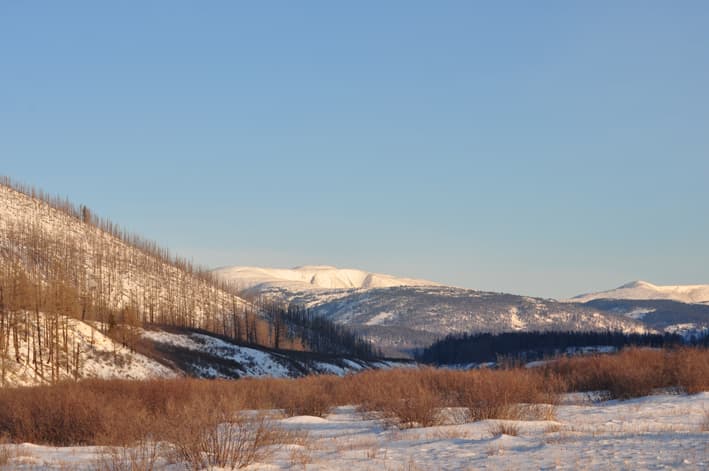
Burkhan Khaldun
Burkhan Khaldun is a sacred mountain in Mongolia's Khentii Province, revered as the birthplace and potential tomb of Genghis Khan. It holds immense spiritual significance, considered the most sacred mountain in the country, and is integral to Mongolian national identity and nomadic traditions. The mountain is also recognized for its unique biodiversity and complex ecosystem.
Emei Shan
Mount Emei, standing at 3,099 meters, is the highest of China's Four Sacred Buddhist Mountains and is revered as the bodhimaṇḍa of the Bodhisattva Samantabhadra. Its steep terrain features numerous Buddhist monasteries adapted to the landscape, and it is a significant pilgrimage site, rich in biodiversity with endemic plant and animal species.