
Burkhan Khaldun
Mongolia·Asia
Burkhan Khaldun is a sacred mountain in Mongolia's Khentii Province, revered as the birthplace and potential tomb of Genghis Khan. It holds immense spiritual significance, considered the most sacred mountain in the country, and is integral to Mongolian national identity and nomadic traditions. The mountain is also recognized for its unique biodiversity and complex ecosystem.
Key Facts
- ›Considered the most sacred mountain in Mongolia, formally designated as such by Genghis Khan.
- ›Believed to be the birthplace and burial site of Genghis Khan, and the birthplace of his general Subutai.
- ›Part of the Khan Khentii Strictly Protected Area, established in 1992, covering 12,000 sq km.
- ›Inscribed as a UNESCO World Heritage Site in 2015 under the title 'Great Burkhan Khaldun Mountain and its surrounding sacred landscape'.
- ›Its ecosystem is a transition zone from Siberian permafrost to great steppe, hosting unique flora and fauna.
- ›The name 'Burkhan Khaldun' translates to 'God Mountain' or 'Buddha Mountain'.
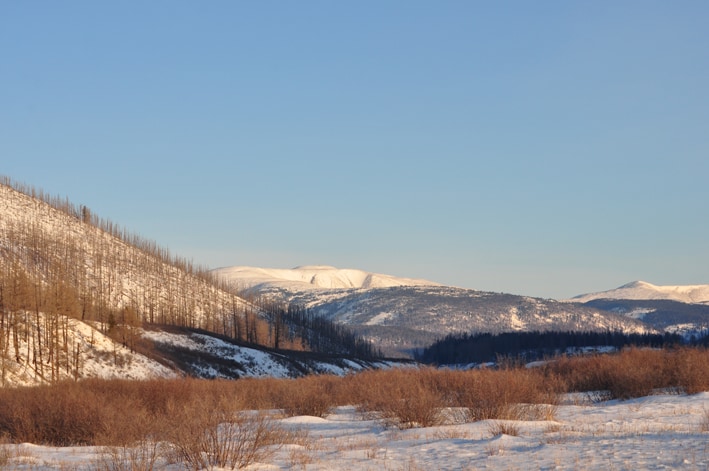
Khentii Khan, God Mountain, Buddha Mountain
- Symbolic 'Cradle' of Mongolia's Nationhood.
- Represents the Heritage and Traditional Ways of Life of Nomadic People.
- Associated With the Birth and Burial of Genghis Khan, Greatly Enhancing Its Sanctity.
- Mentioned Prominently In the 'Secret History of the Mongols', Highlighting Its Historical and Literary Importance.
- Visiting Sacred Ovoos .
- Offering Mongolian Shamanic Worship.
- Following A Specified Pilgrimage Route Including the Main Ovoo of Heaven, Uud Mod, Bosgo Tengeriin Davaa, and Beliin Ovoo.
Genghis Khan, Subutai
- Worship Reserved For State Officials, Local Administration, Shamans, and Buddhist Lamas At the Main Ovoo.
- Designated As A National Monument With Formalised Worship.
About Burkhan Khaldun
Burkhan Khaldun: The Sacred Heart of Mongolia
Burkhan Khaldun stands as a mountain of profound spiritual and historical significance in Mongolia, located in the Khentii Province within the Khentii mountain range. Its name, meaning 'God Mountain' or 'Buddha Mountain,' hints at its deeply rooted religious importance, which predates its association with Genghis Khan. Today, it is considered the most sacred mountain in the country and is intrinsically linked to Mongolian national identity and the traditions of its nomadic peoples.
Historical and Mythological Roots
The mountain's sanctity was significantly amplified by Genghis Khan, who, according to the 'Secret History of the Mongols,' believed Burkhan Khaldun protected him during a perilous moment. He subsequently declared it a royal sacred mountain and vowed to honor it with daily sacrifices, a commitment that has resonated through generations. The belief that Burkhan Khaldun is the birthplace and final resting place of Genghis Khan further elevates its spiritual status. The mountain also holds significance as the birthplace of one of Genghis Khan's most successful generals, Subutai.
Geographical and Ecological Importance
Burkhan Khaldun is the highest peak in the region, reaching an elevation of 2,362 meters. Its crescent shape is notable, and it serves as the source for several vital rivers, including the Kherlen, Onon, Tuul, Kharaa, and Yeruu rivers. The mountain is situated within the Khan Khentii Strictly Protected Area, a vast ecological zone established in 1992. This area is characterized by a unique biodiversity, acting as a transitional zone between the Siberian permafrost and the great Central Asian steppe, supporting coniferous forests and a rich array of flora and fauna, including species listed in the Mongolian Red Data Book.
UNESCO Recognition and Cultural Practices
In recognition of its cultural and natural value, Burkhan Khaldun and its surrounding sacred landscape were inscribed as a UNESCO World Heritage Site on July 4, 2015. This designation acknowledges the millennia-old tradition of mountain and nature worship associated with the site, as well as its connection to the epic historical and literary narrative of Genghis Khan. Formal worship of the mountain was institutionalized by a Presidential Decree in 1995, designating it a national monument. Pilgrimages to Burkhan Khaldun are undertaken to sacred sites, marked by ovoos (stone cairns), where shamanic worship is offered along a prescribed route that leads to the mountain's pinnacle and other significant locations.
Source: Wikipedia ↗
Frequently Asked Questions
What is the religious significance of Burkhan Khaldun?
Burkhan Khaldun is considered the most sacred mountain in Mongolia, holding unmatched spiritual significance. It is symbolic of the nation's cradle and represents the heritage and traditional ways of life of nomadic peoples. Its sanctity is amplified by the belief that it is the birthplace of Genghis Khan.
Is Burkhan Khaldun a UNESCO World Heritage Site?
Yes, Burkhan Khaldun and its surrounding sacred landscape were inscribed as a UNESCO World Heritage Site on July 4, 2015. This designation recognizes its unique cultural traditions of mountain and nature worship over millennia, as well as its historical and literary importance.
What is the geological significance of Burkhan Khaldun?
Burkhan Khaldun is the highest mountain in the Khentii mountain range, rising to an elevation of 2,362 meters. It is crescent-shaped and serves as the source of several major rivers, including the Kherlen, Onon, Tuul, Kharaa, and Yeruu rivers, which flow into various basins and lakes.
What kind of flora and fauna can be found on Burkhan Khaldun?
The mountain features a complex ecosystem with unique biodiversity, acting as a transition zone between Siberian permafrost and the great steppe. It supports coniferous forests of the taiga and is home to numerous plant species, some of which are rare or endangered. The fauna includes various mammals, birds, reptiles, and fish, with several species listed in the Mongolian Red Data Book.
What is the historical importance of Burkhan Khaldun?
Historically, Burkhan Khaldun is deeply intertwined with the legend of Genghis Khan. According to the Secret History of the Mongols, Genghis Khan credited the mountain with protecting him and vowed to honor it with sacrifices. He later elevated its status to a royal sacred mountain, solidifying its place in Mongolian heritage.
What activities are associated with pilgrimages to Burkhan Khaldun?
Pilgrimages to Burkhan Khaldun involve visiting sacred sites, primarily three major ovoos (stone cairns). These sites are along a specified route where Mongolian shamanic worship is offered. The pilgrimage route includes the Main Ovoo of Heaven at the pinnacle, the Uud Mod, the Bosgo Tengeriin Davaa, the catchment of the Kherlen River, and the Beliin ovoo.
Related Sacred Mountains

Taebaeksan
Taebaeksan is a significant South Korean mountain located in the Taebaek mountain range, notable for its role in the Baekdu-daegan mountain range where it turns westward. Designated as South Korea's 22nd national park, it holds deep spiritual and cultural importance, featuring ancient Shamanist altars and the historic Manggyeongsa Temple.
Emei Shan
Mount Emei, standing at 3,099 meters, is the highest of China's Four Sacred Buddhist Mountains and is revered as the bodhimaṇḍa of the Bodhisattva Samantabhadra. Its steep terrain features numerous Buddhist monasteries adapted to the landscape, and it is a significant pilgrimage site, rich in biodiversity with endemic plant and animal species.

Mount Fuji
Mount Fuji is an iconic, active stratovolcano in Japan, recognized as the country's highest peak and a significant cultural and religious site. It is revered in Shinto and Buddhist traditions, serving as a destination for pilgrimage and artistic inspiration for centuries. Its symmetrical cone, often snow-capped, makes it a prominent symbol of Japan.