
Odaesan
Odaesan is a significant mountain cluster and national park in eastern South Korea, renowned for its connection to Korean Buddhism and its stunning natural landscapes. Named "Five Platforms Mountains" due to its five main peaks, it is considered a sacred site where the five most important cosmic Buddhas of Mahayana Buddhism are believed to teach.
Key Facts
- ›Odaesan is named "five Platforms Mountains" (五臺山) after its five main peaks, which are seen as symbolic seats for cosmic Buddhas.
- ›The mountain cluster is a major site for Korean Buddhism, with two prominent monasteries, Woljeongsa and Sangwonsa, located within the national park.
- ›Master Jajang founded Woljeongsa Temple in 643 CE and interred relics of Sakyamuni Buddha, establishing Odaesan as a sacred site for Manjushri, the Bodhisattva of Wisdom.
- ›One of the four royal archive buildings of the Joseon Dynasty, housing the Annals and Royal Protocols, was located here for its perceived ability to withstand natural disasters.
- ›Odaesan National Park Wetlands, a rare high-moor fen ecosystem, was designated under the Ramsar Convention in 2008 and remains closed to the public.
- ›The Sogeumgang Valley, also known as "Minor Diamond Scenic-Gorge," is a popular hiking area within the park, noted for its waterfalls and cliffs.
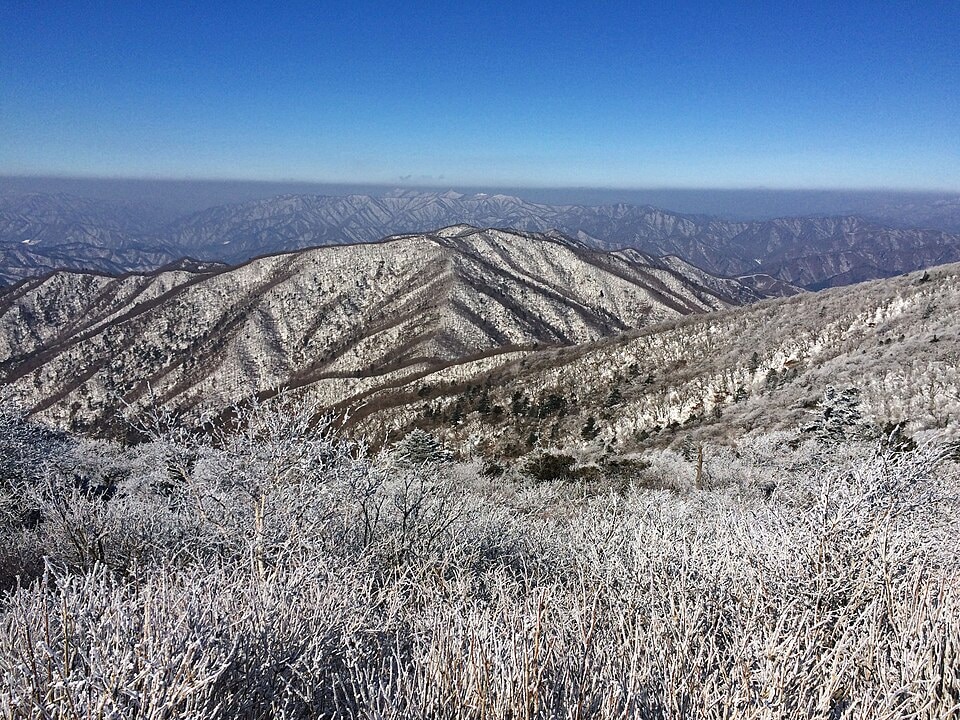
Mount Odae-San, Mount Odae, 오대산, 五臺山
Korean Buddhism, Mahayana Buddhism
- Symbolic Seat For Cosmic Buddhas In Mahayana Buddhism
- Associated With Manjushri, the Bodhisattva of Wisdom
- Site of Important Buddhist Monasteries and Hermitages
- Location of A Historically Significant Royal Archive Building For the Joseon Dynasty
- Pilgrimage To Buddhist Monasteries and Hermitages
- Visiting Sites Associated With Sakyamuni Buddha's Relics
Jajang, Manjushri, Sakyamuni Gautama Buddha, Yi I
- Odaesan National Park Wetlands Area Is Closed To the Public Due To Ecological Delicacy.
About Odaesan
Odaesan: A Sacred Mountain of Five Platforms
Odaesan, also known as Mount Odae-san or Mount Odae, is a significant mountain cluster and national park located in eastern Gangwon Province, South Korea. Its name, "Five Platforms Mountains" (五臺山), derives from its five main peaks, which are symbolically revered as the five platforms or seats where the five most important cosmic Buddhas of Mahayana Buddhism are believed to sit and impart their teachings to the world. This naming convention was borrowed from the famous Wutaishan in China, and each peak is associated with a specific Buddha and Bodhisattva.
Religious and Historical Importance
Odaesan holds profound importance in Korean Buddhism. Master Jajang established Woljeongsa Temple in its main valley in 643 CE, interring purported relics of Sakyamuni Gautama Buddha. This act solidified Odaesan's status as a sacred site, considered a "residence" for Manjushri, the Bodhisattva of Wisdom, following Jajang's visionary experience at China's Wutaishan. The mountain cluster is home to two prominent Buddhist monasteries, Woljeongsa and Sangwonsa, along with numerous hermitages, all affiliated with the Jogye Order of Korean Buddhism. These sites contain several Korean cultural treasures, including National Treasures such as the Bronze Dharma Bell and the Octagonal Nine-story stone Pagoda.
Natural Beauty and Cultural Heritage
Beyond its spiritual significance, Odaesan is celebrated for its natural splendor and serves as a popular destination for tourism and recreation. The national park is renowned for its hiking trails, particularly in October when the deciduous forests display vibrant autumn colors. The Sogeumgang Valley, often compared to the famed Diamond Mountains, offers a scenic gorge with waterfalls and steep cliffs, making it a favorite for hikers. Historically, Odaesan was also chosen as the site for one of the Joseon Dynasty's royal archive buildings, built to protect the Annals of the Joseon Dynasty and Royal Protocols, due to the area's perceived resilience against natural disasters. A unique ecological feature within the park is the Odaesan National Park Wetlands, a rare high-moor fen designated under the Ramsar Convention, though it remains closed to the public for preservation.
Source: Wikipedia ↗
Frequently Asked Questions
What does the name "Odaesan" mean?
"Odaesan" translates to "Five Platforms Mountains" (五臺山). This name refers to its five main peaks, which are symbolically considered as platforms or bases where the five most important cosmic Buddhas of Mahayana Buddhism are believed to sit and teach.
What is the religious significance of Odaesan?
Odaesan is a highly sacred site for Korean Buddhism. It is believed to be a "residence" for Manjushri, the Bodhisattva of Wisdom, and houses important Buddhist monasteries like Woljeongsa and Sangwonsa.
What are the main attractions within Odaesan National Park?
The park is popular for hiking and tourism, featuring two major Buddhist monasteries, Woljeongsa and Sangwonsa, and several hermitages. The Sogeumgang Valley, known for its waterfalls and cliffs, is a particularly favored spot for hikers.
Why was a royal archive built near Odaesan?
An archive building for the Joseon Dynasty was established near Odaesan to house important historical documents like the Annals of the Joseon Dynasty and Uigwe (Royal Protocols). It was chosen for its location, traditionally believed to be resistant to fire, wind, and water.
When was Odaesan designated a national park and what are its notable natural features?
Odaesan was established as a national park to preserve its natural beauty and cultural heritage. Noteworthy natural features include its five main rounded, forested peaks and the Sogeumgang Valley, a scenic gorge with waterfalls. Rare high-moor fens were also designated as Odaesan National Park Wetlands.
Related Sacred Mountains

Gyeryongsan
Gyeryongsan is a sacred mountain in South Korea, standing at 845 meters, known for its abundant spiritual energy. Its name translates to "chicken dragon mountain," and it holds significant religious and cultural importance, featuring ancient Buddhist temples and numerous peaks. The mountain is a popular destination, drawing about 1.4 million visitors annually to its national park.

Jirisan
Jirisan is the tallest mountain on mainland South Korea and the second-tallest overall, located within Jirisan National Park which spans three provinces. It holds significant religious importance, particularly for Buddhism, with several major temples situated on its slopes, and is also associated with Korean foundation myths. The mountain is a popular destination for hikers and pilgrims, renowned for its natural beauty and ten scenic views.

Taebaeksan
Taebaeksan is a significant South Korean mountain located in the Taebaek mountain range, notable for its role in the Baekdu-daegan mountain range where it turns westward. Designated as South Korea's 22nd national park, it holds deep spiritual and cultural importance, featuring ancient Shamanist altars and the historic Manggyeongsa Temple.