
Mount Tomorr
Albania·Europe
Mount Tomorr is a significant sacred mountain in Albania, revered by multiple religious traditions including Bektashism and Christianity. It is a prominent natural landmark, boasting the highest peak in central Albania and serving as a vital water-collecting area within Tomorr National Park, known for its diverse flora and fauna. Annual pilgrimages draw many visitors, making it one of the most frequented sacred sites in the country.
Key Facts
- ›Mount Tomorr's highest peak, Çuka e Partizanit, reaches an elevation of 2,416 meters (7,927 ft).
- ›It is a crucial water-collecting area and home to diverse wildlife within Tomorr National Park.
- ›The mountain is sacred to Bektashis, who associate it with Abbas Ali, and to Christians, who honor the Virgin Mary.
- ›Annual pilgrimages occur in late August, making it a major pilgrimage destination in Albania.
- ›Historically, it was known as Tómaros by the Illyrians and Tmoros or Timoros by Byzantine authors.
- ›The mountain played a role in Albanian-Ottoman Wars, with Skanderbeg achieving a significant victory in its vicinity.
TóMaros, Amyron, Tomarus, Tmoros, Timoros
Bektashism, Christianity, Albanian Folk Beliefs
- Considered the Home of Deities In Albanian Folklore, Anthropomorphized As Baba Tomor.
- Associated With Epic Battles and Mythological Figures Like Baba Tomor and Shpirag.
- A Site For Swearing Solemn Oaths, Such As 'By Him of Tomorr'.
- Subject of Poetry and Prose During the Rilindja Period of Albanian Literature.
- Annual Pilgrimages By Bektashis Honor Abbas Ibn Ali.
- Christian Pilgrims Climb the Mountain On Assumption Day To Honor the Virgin Mary.
- Animal Sacrifices Are Made During Bektashi Pilgrimages.
- Visits To the Abbas Ali TüRbe and the Bektashi Tekke.
Baba Tomor, Zojz, Abbas Ali, Virgin Mary, Shpirag, Earthly Beauty, Sea Beauty
- Pilgrimages Were Stopped During the Communist Period When Religious Practice Was Abolished.
- the Tyrbe and Tekke Were Destroyed In 1967 Under the Pretext That the Peak Was Needed As A Strategic Military Place.
About Mount Tomorr
Mount Tomorr: A Sacred Peak of Albania
Mount Tomorr is a prominent and sacred mountain located in the Berat and Skrapar regions of Albania. Its highest peak, Çuka e Partizanit, reaches an elevation of 2,416 meters (7,927 ft), making it the highest point in central Albania and a significant natural landmark. The mountain is a vital water-collecting area and forms the core of Tomorr National Park, celebrated for its diverse array of deciduous and coniferous trees, rich flora, and a variety of wildlife, including endangered species such as bears and wolves.
Spiritual and Cultural Significance
Mount Tomorr holds deep spiritual importance for various traditions. It is revered by the Bektashi Order, a Sufi community, who associate it with Abbas ibn Ali, a significant figure in Islamic history. Annual pilgrimages for the Bektashis take place from August 20-25, during which animal sacrifices are made and homage is paid at the Abbas Ali Türbe, believed to house his remains. Christians also consider the mountain sacred, with pilgrims ascending it on Assumption Day (August 15) to honor the Virgin Mary. Albanian folk beliefs personify Mount Tomorr as the legendary Baba Tomor, an ancient giant, and it is a place where solemn oaths were traditionally sworn.
Historical Context
The mountain's name has ancient roots, deriving from the Illyrian word Tómaros, meaning "dark." Historically, it was known by various names, including Tómaros to the Illyrians and Tmoros or Timoros to Byzantine authors. During the 15th century, Mount Tomorr was a strategic location in the Albanian-Ottoman Wars, where the Albanian hero Skanderbeg achieved a significant victory against Ottoman forces in 1457. The mountain has also been a site of religious structures, including a Bektashi tekke and a shrine, which have been subject to destruction and reconstruction throughout history, particularly during the communist era and its subsequent fall.
Natural and Recreational Aspects
Beyond its sacred status, Mount Tomorr offers opportunities for various outdoor activities. Visitors can engage in hiking, horse or donkey riding, canoeing, and skiing. Tomorr National Park surrounding the mountain is a protected area that showcases Albania's natural beauty and biodiversity, making it a destination for both spiritual seekers and nature enthusiasts.
Source: Wikipedia ↗
Frequently Asked Questions
What is Mount Tomorr known for?
Mount Tomorr is renowned as a sacred mountain in Albania, attracting annual pilgrimages from both Bektashi and Christian followers. It is also recognized for its natural beauty, serving as a vital water-collecting area within Tomorr National Park and boasting the highest peak in central Albania.
Who considers Mount Tomorr sacred?
Mount Tomorr is considered sacred by multiple religious traditions. The Bektashi Order honors Abbas ibn Ali there, while Christians climb it to honor the Virgin Mary. Albanian folk beliefs also associate it with figures like Baba Tomor and Zojz.
When do pilgrimages take place at Mount Tomorr?
Annual pilgrimages to Mount Tomorr occur during the second half of August. Bektashi pilgrims visit from August 20-25 to honor Abbas ibn Ali, while Christians traditionally climb it on Assumption Day, August 15, to honor the Virgin Mary.
What is the highest point of Mount Tomorr?
The highest peak of Mount Tomorr is Çuka e Partizanit, which stands at an elevation of 2,416 meters (7,927 ft) above sea level. This makes it the highest peak in central Albania.
What ecological significance does Mount Tomorr have?
Mount Tomorr is located within Tomorr National Park, an area noted for its rich biodiversity. It is a significant water-collecting region and supports a variety of deciduous and coniferous trees, as well as numerous flora and fauna, including endangered species like bears and wolves.
What is the historical significance of Mount Tomorr?
Historically, the mountain was known as Tómaros by the Illyrians and was a prominent peak in southern Illyria. It has also been referred to as Tmoros or Timoros by Byzantine authors and played a role in conflicts during the 15th century, notably during the Albanian-Ottoman Wars where Skanderbeg secured a key victory.
Related Sacred Mountains
Croagh Patrick
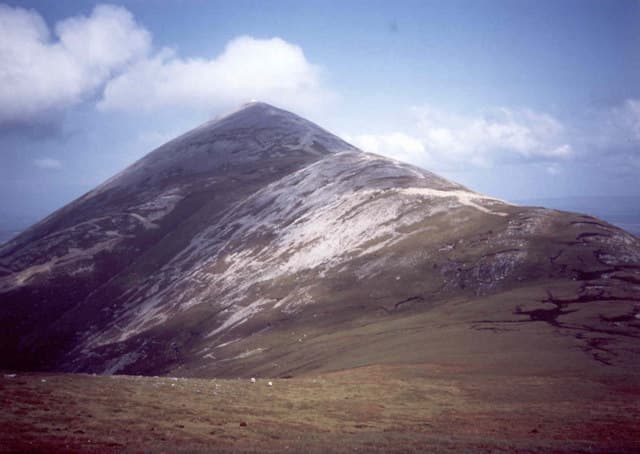
Croagh Patrick, also known as 'the Reek,' is a pyramid-shaped mountain in County Mayo, Ireland, standing 764 meters tall. It is a significant site of pilgrimage, deeply associated with Saint Patrick, who is believed to have fasted on its summit for forty days. The mountain has a long history as a holy site, with evidence of prehistoric ritualistic use and a continuous tradition of pilgrimage dating back to at least the Middle Ages.
Ceahlău Massif
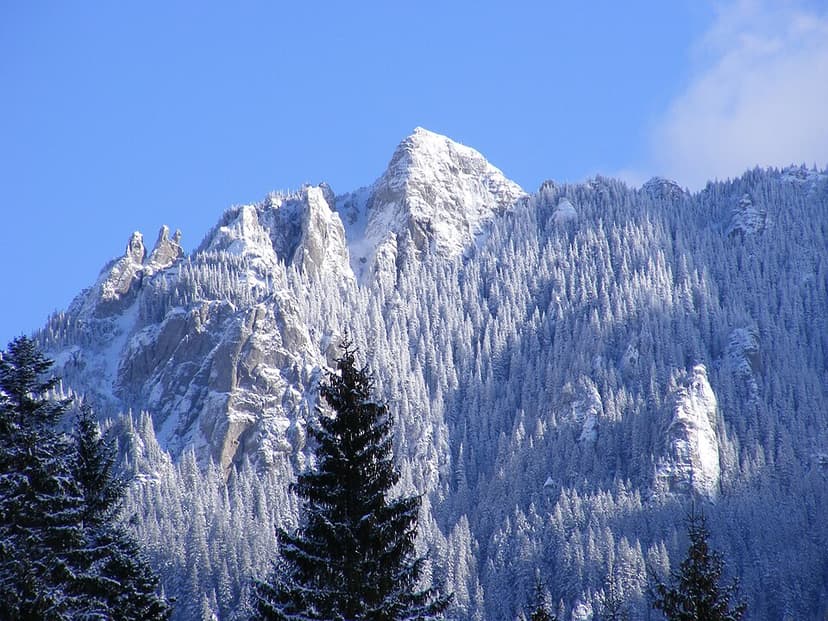
The Ceahlău Massif is a prominent mountain in Romania, recognized as one of the country's most famous peaks. It lies within the Eastern Carpathians and is a popular destination for hiking, offering a diverse range of flora and fauna within Ceahlău National Park.

Montserrat
Montserrat is a distinctive multi-peaked mountain range in Catalonia, Spain, renowned for its serrated appearance formed by striking pink conglomerate rock. It is a significant religious site, home to the Benedictine abbey of Santa Maria de Montserrat, which enshrines the revered Virgin of Montserrat, also known as La Moreneta. The mountain is a popular destination for pilgrims, hikers, and climbers, and was designated a National Park in 1987.