
Mount Akhun
Russia·Europe
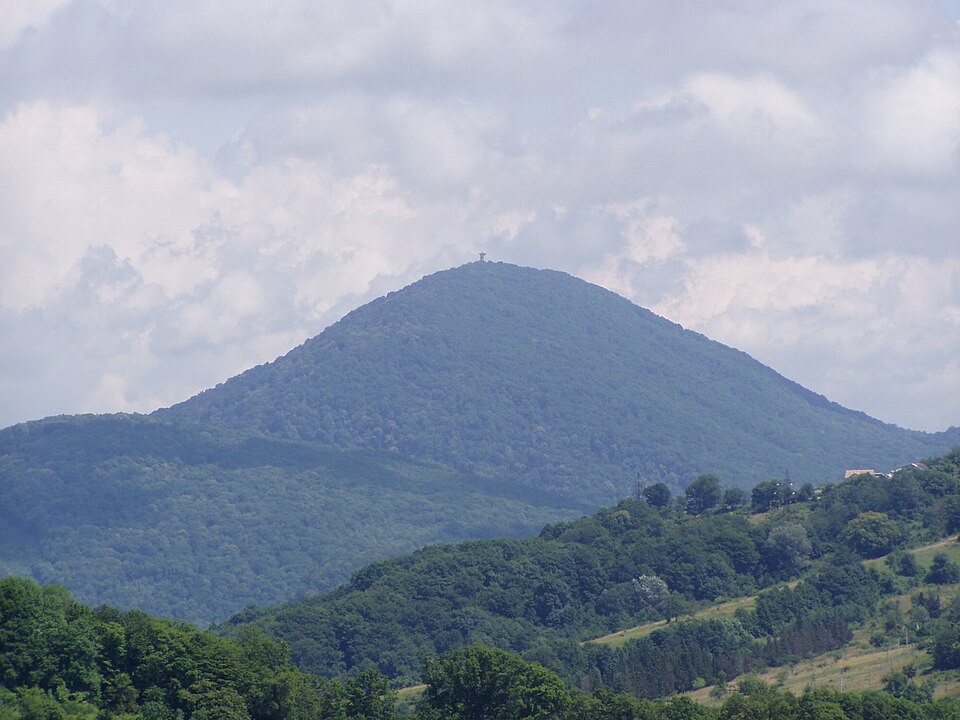
Mount Akhun is a prominent karst massif located in Sochi, Russia, and is the highest point of the Sochi littoral. Its name, derived from the Ubykh language, translates to "the mountain giant." The mountain features two peaks, Greater Akhun and Lesser Akhun, with the former crowned by a 1936 Romanesque tower offering extensive views.
Key Facts
- ›Mount Akhun is a stand-alone karst massif in the Khostinsky City District of Sochi, Russia.
- ›It is the highest point of the Sochi littoral, with Greater Akhun reaching 663 meters (2,175 ft).
- ›A 100-foot-tall Romanesque tower, built in 1936, sits atop Greater Akhun.
- ›Lesser Akhun has an elevation of 501 meters (1,644 ft) and is near medieval Christian church ruins.
- ›The massif contains approximately 20 caves and supports 200 species of higher plants.
- ›The Ubykh community considered the mountain sacred, with its name meaning 'the mountain giant'.
Ubykh Traditional Beliefs
- Sacred Site For the Ubykh Community
- Name Translates To 'the Mountain Giant' In Ubykh
About Mount Akhun
Mount Akhun is a distinctive, stand-alone karst massif located in the Khostinsky City District of Sochi, Russia. It holds the distinction of being the highest point within the Sochi littoral. The mountain's name is derived from the Ubykh language, where it translates to "the mountain giant," underscoring its significance to the local Ubykh community who considered it sacred.
Geography and Features
The massif is characterized by two primary peaks: Greater Akhun and Lesser Akhun. Greater Akhun reaches an elevation of 663 meters (2,175 ft) above sea level. Its summit is prominently marked by a 100-foot-tall Romanesque tower, constructed in 1936 from limestone ashlar. This tower serves as a vantage point, offering expansive panoramic views of the Western Caucasus, extending as far south as Gagra and Pitsunda. An 11-kilometer serpentine road provides access to the tower from the Sputnik Hotel.
Lesser Akhun rises to a height of 501 meters (1,644 ft). In its vicinity, the ruins of a medieval Christian church can be found. The entire Mount Akhun massif is notable for its extensive cave systems, containing approximately 20 caves. The surrounding forests are rich in biodiversity, supporting 200 species of higher plants. Additionally, the scenic Eagles' Rocks, stretching along the right bank of the Agura River towards the Agura Falls, are a significant natural attraction in the area.
Source: Wikipedia ↗
Frequently Asked Questions
What is Mount Akhun?
Mount Akhun is a significant karst massif and the highest point in the Sochi littoral region of Russia. It is known for its two distinct peaks, Greater and Lesser Akhun, and its historical sacred significance to the local Ubykh people.
How high is Mount Akhun?
The peak of Greater Akhun reaches an elevation of 663 meters (2,175 ft) above sea level. Lesser Akhun, a nearby peak, rises to 501 meters (1,644 ft).
What is the prominent tower on Mount Akhun?
The summit of Greater Akhun is marked by a 100-foot-tall Romanesque tower built in 1936 from limestone ashlar. This tower provides panoramic views of the surrounding Western Caucasus region.
What is the meaning of Mount Akhun's name?
The name Mount Akhun originates from the Ubykh dialect and translates to 'the mountain giant.' This name reflects its imposing presence and its sacred status for the Ubykh community.
Are there any natural features or attractions on Mount Akhun?
Yes, the Mount Akhun massif encompasses about 20 caves and supports a diverse forest flora with 200 species of higher plants. The scenic Eagles' Rocks, along the Agura River, are also a notable nearby attraction.
Related Sacred Mountains

Áhkká
Áhkká is a significant massif in northern Sweden's Stora Sjöfallet National Park, known for its impressive vertical drop and its status as a holy mountain in Sámi tradition. The "Queen of Lapland" features twelve peaks, ten glaciers, and a highest summit of 2,011 meters, making it the tenth-highest peak in Sweden and offering the country's greatest vertical drop.
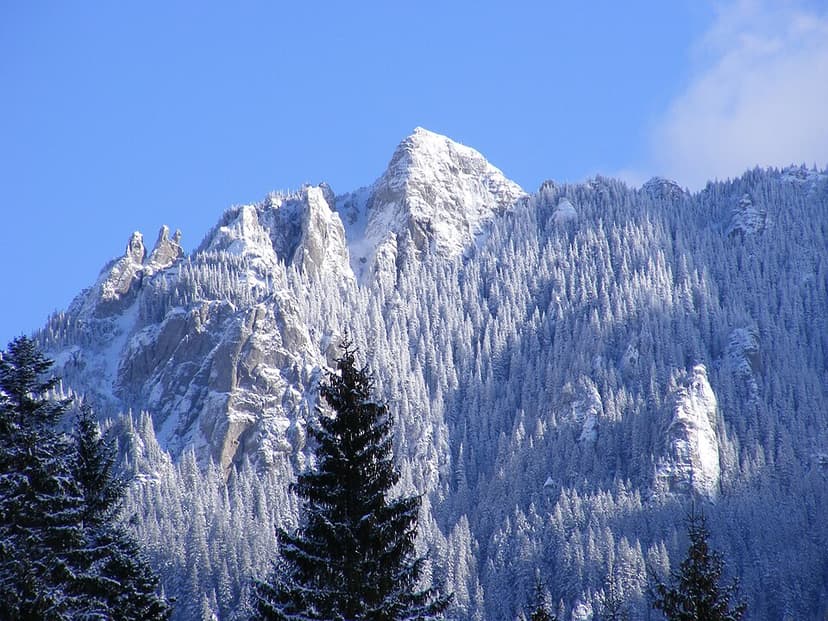
Ceahlău Massif
The Ceahlău Massif is a prominent mountain in Romania, recognized as one of the country's most famous peaks. It lies within the Eastern Carpathians and is a popular destination for hiking, offering a diverse range of flora and fauna within Ceahlău National Park.
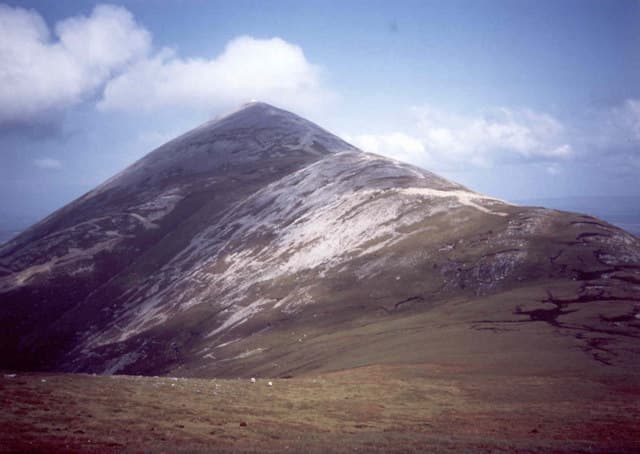
Croagh Patrick
Croagh Patrick, also known as 'the Reek,' is a pyramid-shaped mountain in County Mayo, Ireland, standing 764 meters tall. It is a significant site of pilgrimage, deeply associated with Saint Patrick, who is believed to have fasted on its summit for forty days. The mountain has a long history as a holy site, with evidence of prehistoric ritualistic use and a continuous tradition of pilgrimage dating back to at least the Middle Ages.