
Urijah
Male·6th century BC·Ancient Near East·Prophetic tradition
Urijah was a prophet and martyr mentioned in the Book of Jeremiah. He was the son of Shemaiah of Kiriath-Jearim and prophesied during the reign of King Jehoiakim of Judah. Unlike Jeremiah, who also prophesied during this time, Urijah was beheaded and his body cast among the common people, illustrating a potential consequence of delivering prophecy.
Key Facts
- ›Mentioned in the Book of Jeremiah as a prophet and martyr.
- ›Son of Shemaiah from Kiriath-Jearim.
- ›Fled to Egypt during the reign of King Jehoiakim of Judah due to the king's cruelty.
- ›Brought back from Egypt and beheaded.
- ›His body was cast into the graves of the common people.
- ›Delivered the same message as Jeremiah but met a violent end.
Book of Jeremiah
Uriah, Uryā ibn Shamāyā
Jeremiah, King Jehoiakim
Prophet, Martyr
Prophet, Martyr
Prophet, Martyr
About Urijah
Urijah, sometimes rendered as Uriah in older English translations, is a figure recognized in the Hebrew Bible, specifically within the Book of Jeremiah, as a prophet and a martyr. He is presented as a significant, albeit tragic, example of the consequences that could arise from delivering prophetic messages during a turbulent period in the history of Judah.
Life and Ministry
According to the biblical narrative, Urijah was the son of Shemaiah and hailed from Kiriath-Jearim. His ministry occurred during the reign of King Jehoiakim of Judah, a monarch known for his oppressive rule. Faced with the king's cruelty, Urijah initially fled the kingdom and sought refuge in Egypt. However, he was apprehended and brought back to Judah.
Upon his return, Urijah was beheaded, and his body was unceremoniously cast into the graves reserved for the common populace, a stark contrast to the burial rites afforded to others. This fate is particularly emphasized in relation to the prophet Jeremiah, who delivered similar prophecies during the same era but was not killed. The biblical text raises questions about why one prophet met such a violent end while the other did not, suggesting a complex interplay of divine will, political machinations, and perhaps the specific nature or reception of their messages.
Significance and Legacy
Urijah's story serves as a somber illustration of the potential perils faced by those who spoke truth to power in ancient Israel. His martyrdom underscores the dangers inherent in prophetic opposition to the ruling authorities. While not as extensively detailed as other prophets, his mention in Jeremiah highlights the risks associated with divine pronouncements in a hostile political environment. In Islamic tradition, Uryā ibn Shamāyā is sometimes considered an unmentioned prophet, though he lacks explicit mention in the Quran or Hadith. Scholarly opinions also suggest a possible, though unconfirmed, reference to Uriah within the context of the Lachish letters, ancient correspondence offering insights into the period.
Source: Wikipedia ↗
Frequently Asked Questions
Who was Urijah?
Urijah was a prophet and martyr mentioned in the Book of Jeremiah. He was the son of Shemaiah and prophesied during the reign of King Jehoiakim of Judah.
What happened to Urijah?
Urijah fled to Egypt to escape the cruelty of King Jehoiakim. However, he was brought back, beheaded, and his body was unceremoniously buried with the common people.
Was Urijah a prophet in Islam?
Urijah, known as Uryā ibn Shamāyā in Arabic, is not mentioned in the Quran or Hadith. While some consider him an unmentioned prophet, there is no explicit mention in Islamic scripture.
What is the significance of Urijah's story?
Urijah's story is presented as an example of one possible consequence of delivering biblical prophecy. His death contrasts with that of Jeremiah, who delivered a similar message but survived.
Is there any other mention of Urijah in historical texts?
There is a scholarly opinion that Urijah might be referenced in the Lachish letters, although this is not definitively certain.
Related Prophets
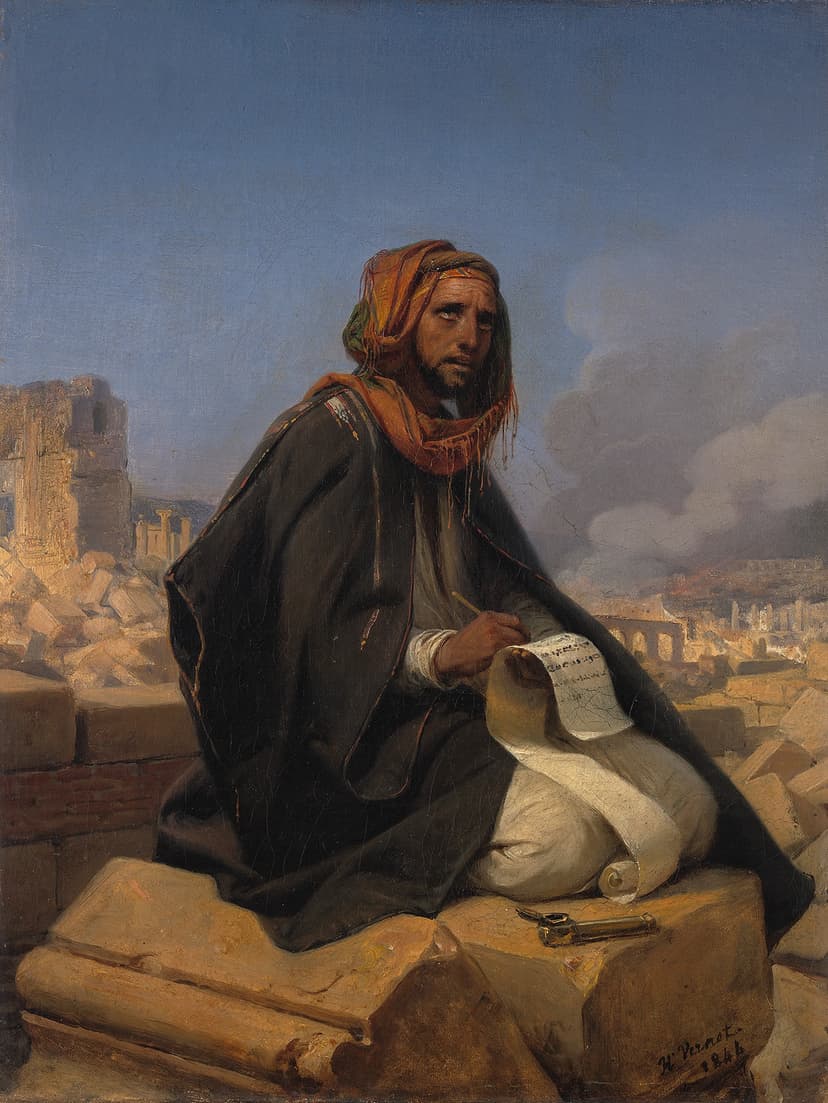
Jeremiah
Jeremiah, also known as Jeremias or Jeremy, was a major prophet in the Hebrew Bible active in the late 7th and early 6th centuries BC. Born into a priestly family, he was called to prophesy the impending destruction of Jerusalem and the Kingdom of Judah due to idolatry and social injustice. His ministry was marked by significant persecution, but his prophecies are central to Judaism, Christianity, and Islam.
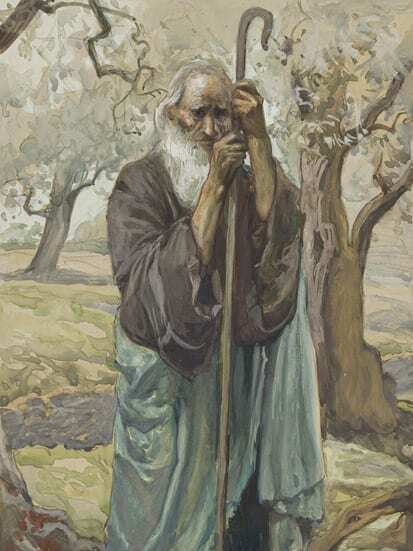
Obadiah
Obadiah is a biblical prophet whose authorship of the Book of Obadiah is traditionally accepted. The book, which focuses on God's judgment against Edom, is debated in its dating, with scholars placing it either during the reign of King Jehoram of Judah or following the Babylonian destruction of Jerusalem. Rabbinic and Christian traditions offer further details on his life and veneration.
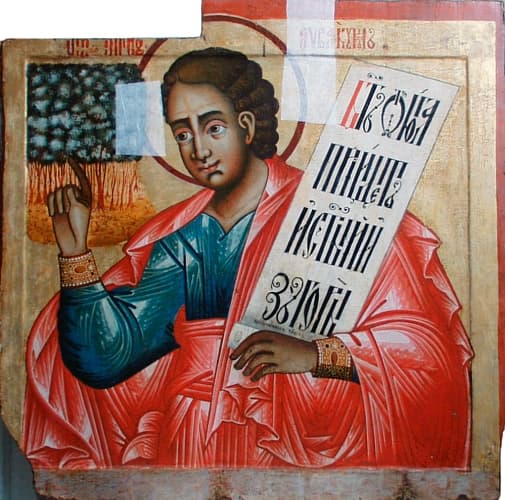
Habakkuk
Habakkuk was an eighth-century BC prophet in ancient Israel, known for the oracles and prayer recorded in the Book of Habakkuk, the eighth of the twelve minor prophets in the Hebrew Bible. He is revered in Judaism, Christianity, and Islam. His prophecy uniquely features a dialogue with God, where Habakkuk questions divine justice and God's use of the Babylonian empire to punish Judah.