
Ahijah
Male·2nd century·Babylonia·Jewish diaspora leadership
Ahijah was a Jewish exilarch who lived in the 2nd century CE. He is noted as potentially the son of Akkub, a figure appearing in contemporary Jewish genealogies. His reign marks the earliest known tenure for the office of exilarch.
Key Facts
- ›Served as a Jewish exilarch in the 2nd century CE.
- ›His name is not found in the Seder Olam Zutta.
- ›Considered the earliest known holder of the exilarch office.
- ›Potentially the son of Akkub, as indicated in Jewish genealogies.
Akkub
Leader, Exilarch
Historical Figure
About Ahijah
Ahijah was a significant figure in Jewish history, serving as an exilarch during the 2nd century CE. His tenure is notable as it represents the earliest known period for which an exilarch is recorded, marking a crucial point in the leadership structure of Jewish communities in the diaspora.
Life and Historical Context
Historical records indicate Ahijah's activity in the 2nd century CE. While his name does not appear in the Seder Olam Zutta, a significant Jewish chronological work, he is recognized for holding the office of exilarch. This position held considerable authority within the Jewish communities of the time, particularly in Babylonia, which was a major center of Jewish life.
Family and Associations
Genealogical records from the period suggest a potential familial connection for Ahijah, identifying him as the son of Akkub. Akkub himself is a figure mentioned in contemporary Jewish genealogies, underscoring Ahijah's place within established Jewish lineages.
Significance
Ahijah's importance stems from his status as the first documented exilarch. This role was central to the administration and spiritual guidance of Jewish populations outside of Judea, and Ahijah's leadership established a precedent for subsequent exilarchs.
Source: Wikipedia ↗
Frequently Asked Questions
Who was Ahijah?
Ahijah was a Jewish exilarch who lived during the 2nd century CE. He is significant as the earliest known individual to hold this office.
When did Ahijah live?
Ahijah was active in the 2nd century CE. This period is when he served as the Jewish exilarch.
Is Ahijah mentioned in the Seder Olam Zutta?
No, Ahijah's name does not appear in the Seder Olam Zutta. This is a notable absence given his position.
What is known about Ahijah's family?
Ahijah is potentially identified as the son of Akkub. This familial connection is noted in contemporary Jewish genealogies.
Related Prophets
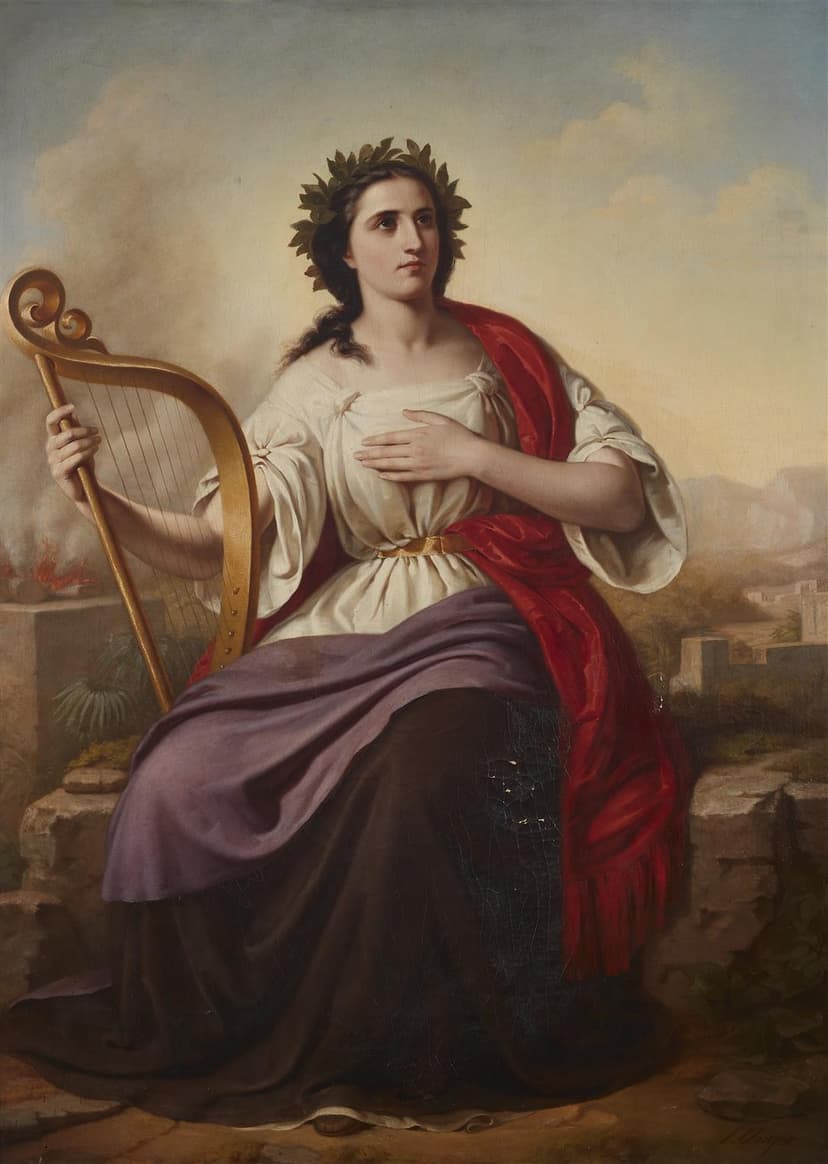
Deborah
Deborah was a prophetess and the fourth Judge of pre-monarchic Israel, serving as the only female judge mentioned in the Hebrew Bible. She is renowned for her divine guidance to the Israelite general Barak, leading to a significant victory against the Canaanite forces led by Sisera. Her story is preserved in the Book of Judges, including the "Song of Deborah," considered one of the earliest examples of Hebrew poetry.
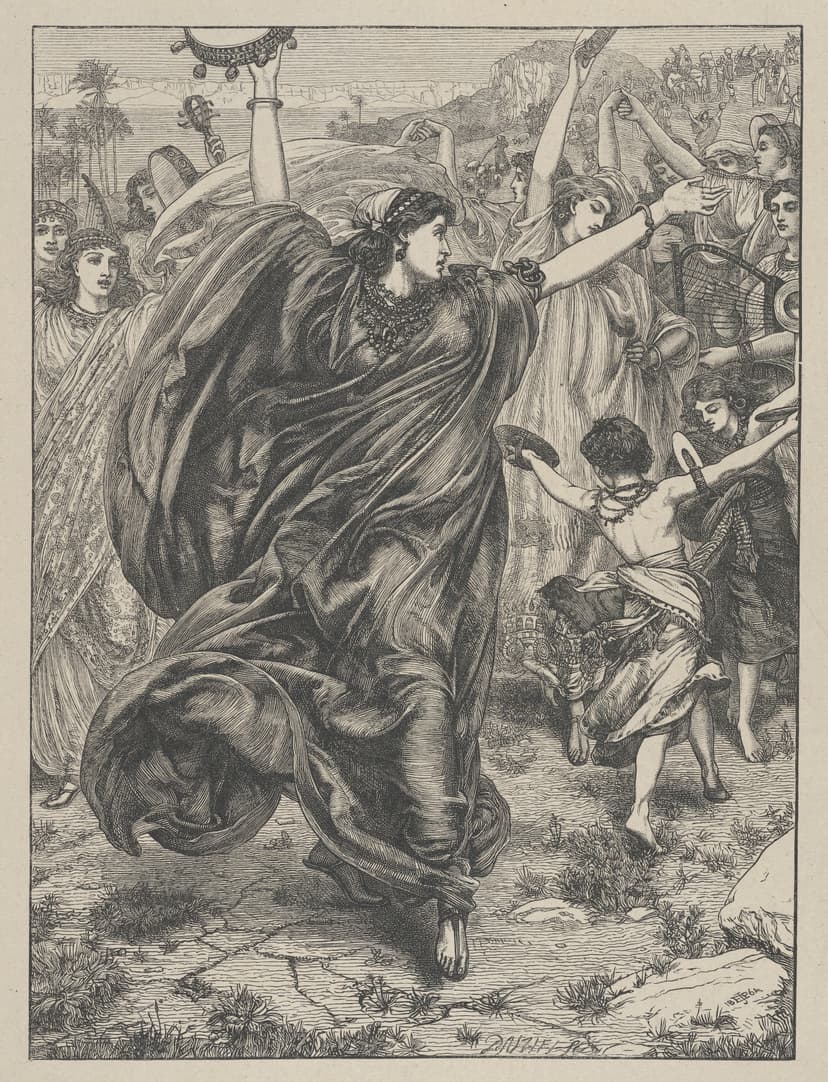
Miriam
Miriam, a prophetess in the Hebrew Bible, was the older sister of Moses and Aaron. She is recognized for her role in the Exodus from Egypt and for leading the women in song and teaching Torah. Miriam is also known for a divine punishment of skin disease after speaking against Moses, and her legacy is linked to the tradition of Miriam's Well.
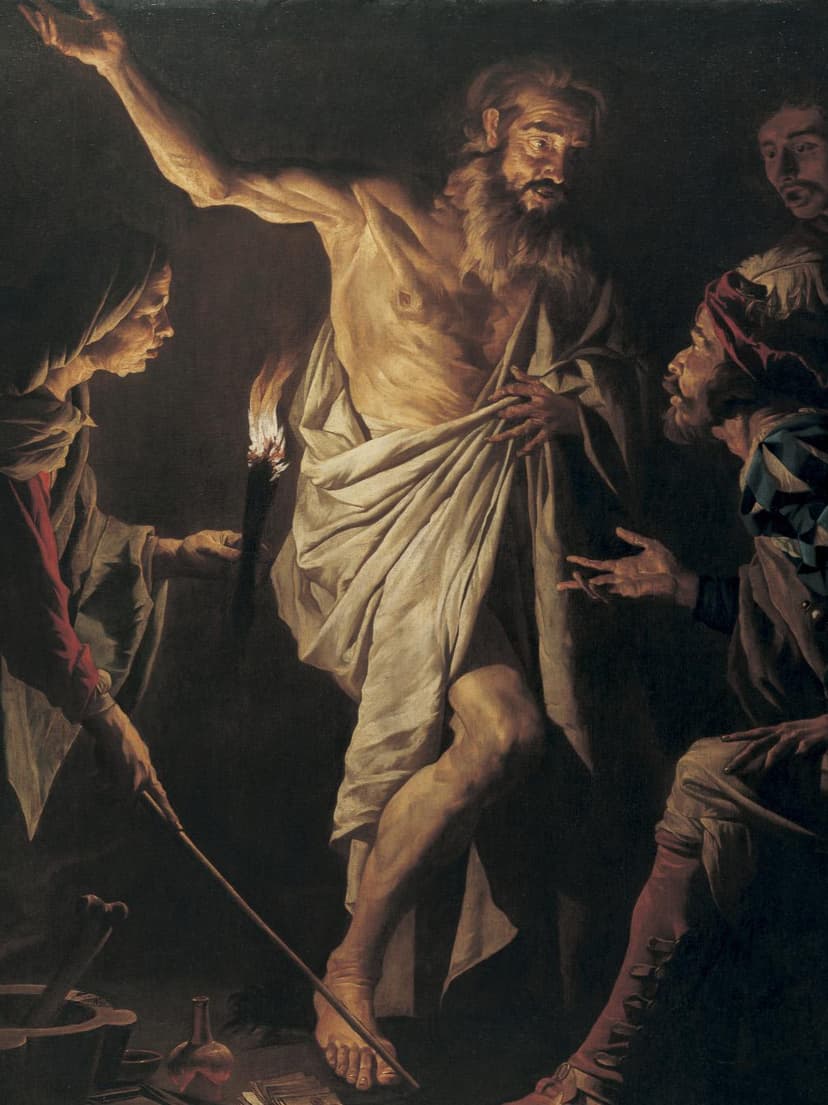
Samuel
Samuel was a prophet, judge, and seer in ancient Israel, revered in Judaism, Christianity, and Islam. He is primarily known for his pivotal role in the transition from the era of the Judges to the establishment of the Israelite monarchy, anointing both Saul and David as kings. His ministry marked a significant shift in Israelite governance and religious leadership.