
Zbraslav Monastery
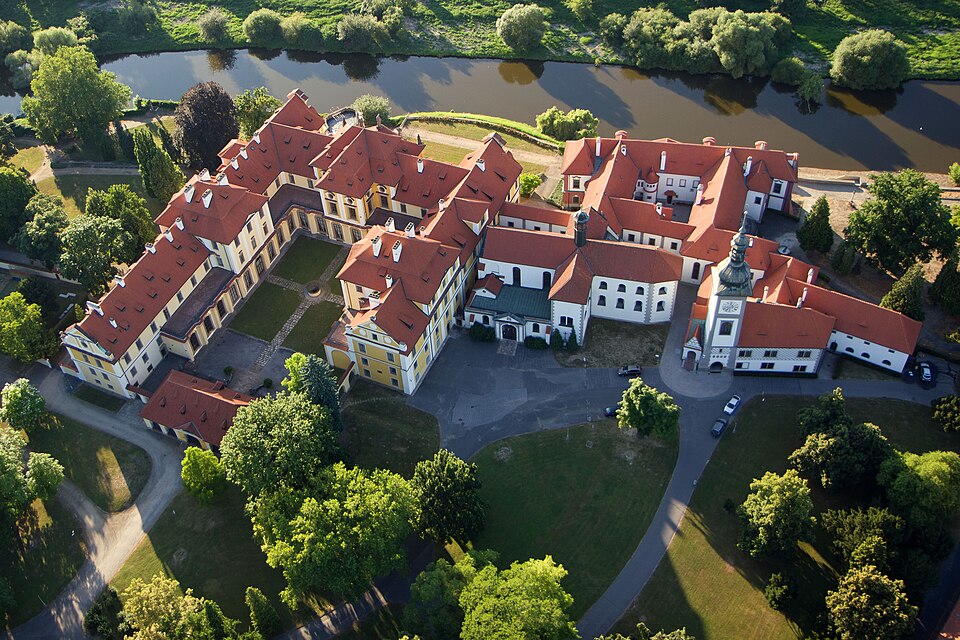
The Cistercian Abbey of Zbraslav, also known as Aula Regia, was a prominent monastery in the Kingdom of Bohemia, founded by King Wenceslaus II in 1292. It served as the royal necropolis for the Přemyslid dynasty and was abolished in 1789 by Emperor Joseph II. The abbey is renowned for its abbot, Peter of Zittau, author of the Zbraslav Chronicle, and for the significant Gothic painting, the Madonna of Zbraslav.
Key Facts
- ›Founded by King Wenceslaus II of Bohemia in 1292.
- ›Served as the royal necropolis for the last members of the Přemyslid dynasty.
- ›Abolished in 1789 by Emperor Joseph II.
- ›Known for Abbot Peter of Zittau, author of the Zbraslav Chronicle.
- ›Associated with the Madonna of Zbraslav, a notable Gothic painting.
Royal Necropolis, Zbraslav Chronicle, Madonna of Zbraslav Painting
Aula Regia, Zbraslavský KlášTer, Kloster KöNigsaal
Wenceslaus Ii of Bohemia, Peter of Zittau
Founded By King Wenceslaus Ii, Abolished By Emperor Joseph Ii
About Zbraslav Monastery
The Cistercian Abbey of Zbraslav, historically known in Latin as Aula Regia and in German as Kloster Königsaal, was an exceptionally significant monastery within the Kingdom of Bohemia. Situated in Zbraslav, now a part of Prague, it was established in 1292 by King Wenceslaus II. Its importance stemmed not only from its role as a major center of the Cistercian Order but also from its designation as the royal necropolis for the last reigning members of the Přemyslid dynasty, a testament to its close ties with Bohemian royalty.
The abbey's historical trajectory concluded in 1789 when it was abolished by Emperor Joseph II. Despite its dissolution, Zbraslav Monastery left a lasting legacy through several key contributions. Among its most notable figures was Abbot Peter of Zittau, who authored the Zbraslav Chronicle (Chronicon Aulae Regiae). This work stands as a primary historical source for understanding the Kingdom of Bohemia during the first half of the 14th century. Furthermore, the monastery is recognized for its association with the "Madonna of Zbraslav," an exquisite Gothic painting created around the 1340s, showcasing the artistic patronage and achievements of the institution.
Source: Wikipedia ↗
Frequently Asked Questions
When was Zbraslav Monastery founded?
Zbraslav Monastery was founded in 1292 by King Wenceslaus II of Bohemia. This established it as a significant religious and historical site in the Kingdom of Bohemia.
What was the significance of Zbraslav Monastery?
The monastery was highly significant as the royal necropolis for the final members of the Přemyslid dynasty. It was also a prominent center of the Cistercian Order in Bohemia and produced important historical and artistic works.
Who was Peter of Zittau and why is he important to Zbraslav Monastery?
Peter of Zittau was the best-known abbot of Zbraslav Monastery. He is celebrated for writing the Zbraslav Chronicle (Chronicon Aulae Regiae), a crucial historical source for Bohemia in the early 14th century.
What artistic works are associated with Zbraslav Monastery?
Zbraslav Abbey is particularly known for the "Madonna of Zbraslav," an outstanding Gothic painting dating from the 1340s. This artwork highlights the monastery's cultural importance.
When was Zbraslav Monastery abolished?
The abbey was abolished in 1789 by the Bohemian King and Holy Roman Emperor Joseph II. This marked the end of its long history as an active monastic institution.
Related Monasteries

Bursfelde Congregation
The Bursfelde Congregation was a significant reform movement within Benedictine monasticism in western and central Germany during the 15th and 16th centuries. Named after Bursfelde Abbey, it aimed to restore stricter adherence to Benedictine rule across numerous male and female monasteries. Despite facing challenges from the Reformation and eventual secularization, the congregation played a key role in revitalizing monastic life for a period.

Porta coeli Convent
Porta coeli Convent, meaning "Heaven's Gate" in Latin, is a 13th-century Cistercian convent located in Předklášteří, Czech Republic. Founded in 1233 by Queen Constance of Hungary, it features a unique Western façade with a portal reminiscent of French cathedrals. The convent houses valuable Baroque furnishings and notable early Gothic vaulting in its cloister walk.

Osek abbey
Osek Abbey is a historic Cistercian monastery located in Osek, Czech Republic, with origins dating back to the 13th century. Originally built in Romanesque-Gothic style, it was significantly transformed into its high-Baroque appearance during the early 18th century. While it experienced periods of prosperity and decline, including destruction during the Hussite Wars and later suppression under Communist rule, Osek Abbey was reestablished and designated a national cultural monument. Today, the monastery complex, featuring the Church of Assumption of Virgin Mary, a convent, and an abbot's residence, is no longer home to an active monastic community.