
Wurzen
Wurzen is a town in Saxony, Germany, with a history dating back to Slavic settlement after 600 AD. It gained prominence in the 12th century with the founding of a collegiate church and later served as a residence for the bishops of Meissen. The town has experienced significant historical events, including destruction during the Thirty Years' War and air raids in World War II, but also played a role in preserving itself from further damage. Today, Wurzen is known for its industrial focus on pastries and candies, its connection to the Via Regia and St. James' Way, and its literary heritage, particularly its association with the author Joachim Ringelnatz.
Key Facts
- ›Founded by Slavs after 600 AD and first mentioned as a 'Burgward' in 961.
- ›The town features a 12th-century cathedral with Romanesque to late Gothic architecture.
- ›Wurzen was a strategic location, serving as a former residence for bishops and housing military commands.
- ›It is situated on the Via Regia and is a stop on the Central German St. James Way pilgrimage route.
- ›The town is recognized for its production of pastries and candies, as well as mechanical engineering businesses.
- ›Wurzen is celebrated as 'Ringelnatz City' in tribute to the author and painter Joachim Ringelnatz.
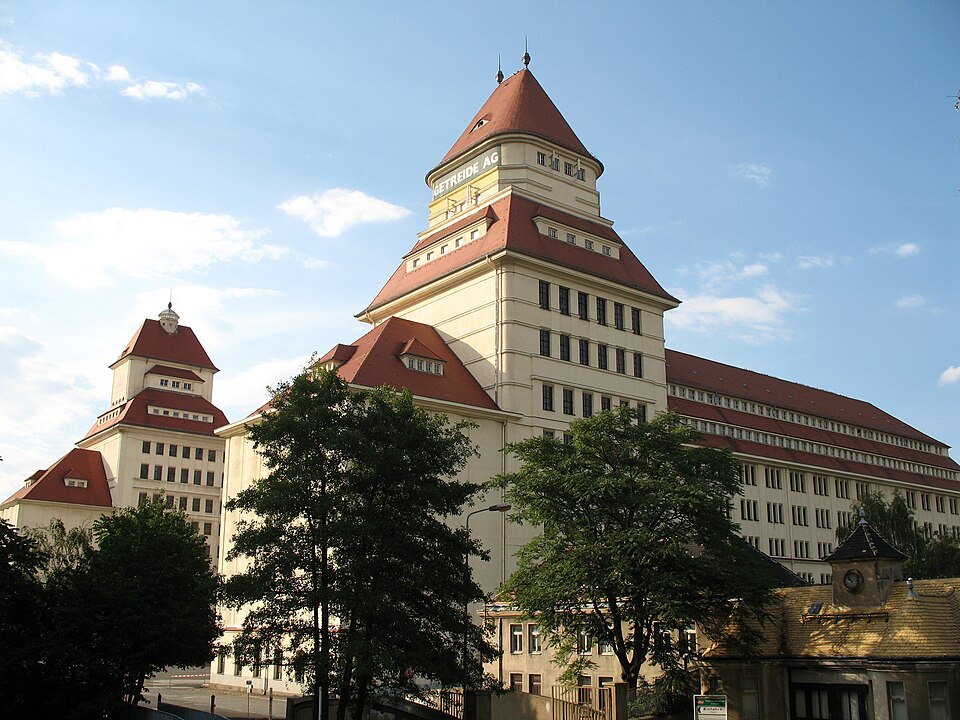
Romanesque, Gothic, Baroque, Classicist, Neo-Romanesque
Cathedral, Castle of Wurzen, Via Regia Route, St. James Way Pilgrimage Route, Museum, Fountain In Honor of Joachim Ringelnatz
Herwig, Joachim Ringelnatz, Magnus Gottfried Lichtwer, Johann Gottlob BöHme, Georg Wrba
- Founded By Slavs After 600 Ad
- Mentioned As 'Burgward' Civitas Vurcine In 961
- Founding of A Collegiate Church In the 12th Century
- Passed To the Elector of Saxony In 1581
- Sacked and Burned By Swedish Army During the Thirty Years' War
- Goethe's Travel Through Wurzen Inspired Faust Passage
- Connected To the First German Long-Distance Railway
- Military District Command and Anti-Aircraft Units During Wwii
- Experienced Us Air Raids During Wwii
- City Surrendered To Us Forces To Prevent Destruction
About Wurzen
Wurzen is a town in Saxony, Germany, with a history that stretches back to Slavic settlement after 600 AD.
History and Significance
First mentioned in 961 as a "Burgward" (a fortified settlement), Wurzen became a significant town in the early 12th century with the founding of a collegiate church by Herwig, bishop of Meissen. The town later served as a residence for the bishops of Meissen. Its history is marked by periods of hardship, including being sacked and nearly destroyed by the Swedish army during the Thirty Years' War in 1637. In more modern times, Wurzen experienced air raids during World War II, with a particularly severe attack in 1944. The city's surrender to American forces in 1945 is credited with saving it from further destruction.
Cultural and Economic Identity
Wurzen is recognized for its connection to literary figures, particularly the author and painter Joachim Ringelnatz, and the town styles itself as 'Ringelnatz City'. Economically, it focuses on the production of pastries and candies, alongside a presence in mechanical engineering and specialty manufacturing. The town also holds significance as a stop on the Via Regia and the Central German St. James Way pilgrimage route, attracting visitors interested in history and spiritual journeys.
Architecture and Landmarks
The town's architectural heritage includes a 12th-century cathedral, the Collegiate church St. Marien, which exhibits Romanesque to late Gothic styles. The Castle of Wurzen, a former bishop's residence, is another notable structure showcasing late Gothic architecture. Other landmarks include the Lutheran Church St. Wenceslai, the Catholic Church Herz-Jesu, and the historic House Lossow, which houses a cultural museum.
Source: Wikipedia ↗
Frequently Asked Questions
What is the historical significance of Wurzen?
Wurzen was founded by Slavs after 600 AD and became an important settlement. It was a town in the early 12th century when a collegiate church was established, and later served as a residence for the bishops of Meissen. The town has experienced periods of destruction and rebuilding, contributing to its layered history.
What are the main historical architectural features in Wurzen?
The most prominent historical structure is the cathedral, dating from the twelfth century, which showcases Romanesque up to late Gothic architecture. The Castle of Wurzen, also a significant site, displays late Gothic architectural elements and was a former bishop's residence.
What is Wurzen's connection to pilgrimage routes?
Wurzen is an important stop on the Central German route of the St. James pilgrims way to Santiago de Compostela, also known as the Camino de Santiago. This route follows the historical Via Regia, which is recognized as a Cultural Route of the Council of Europe.
What is Wurzen known for economically?
A primary commercial focus in Wurzen is the production of pastries and candies. Additionally, the town hosts several medium-sized businesses in mechanical engineering and specialized companies.
What notable figures are associated with Wurzen?
The town is strongly associated with the author and painter Joachim Ringelnatz, to the extent that it styles itself 'Ringelnatz City'. Other notable figures include Herwig, Bishop of Dresden-Meissen and founder of the collegiate church, and Magnus Gottfried Lichtwer, a jurist and fabulist.
Has Wurzen been affected by wartime events?
Yes, Wurzen suffered during the Thirty Years' War when it was sacked by the Swedish army and largely burned down. During the Second World War, it housed military units and experienced US air raids, with significant casualties on one occasion.
Related Monasteries

Fécamp Abbey
Fécamp Abbey, officially the Abbey of the Holy Trinity at Fécamp, is a Benedictine monastery located in Fécamp, France. Originally founded as a nunnery in the 7th century, it was destroyed and later refounded in the late 10th century. The abbey played a significant role in Norman history, particularly in the Norman Conquest of England, and is historically known as the first producer of the herbal liqueur Bénédictine.
Piona Abbey
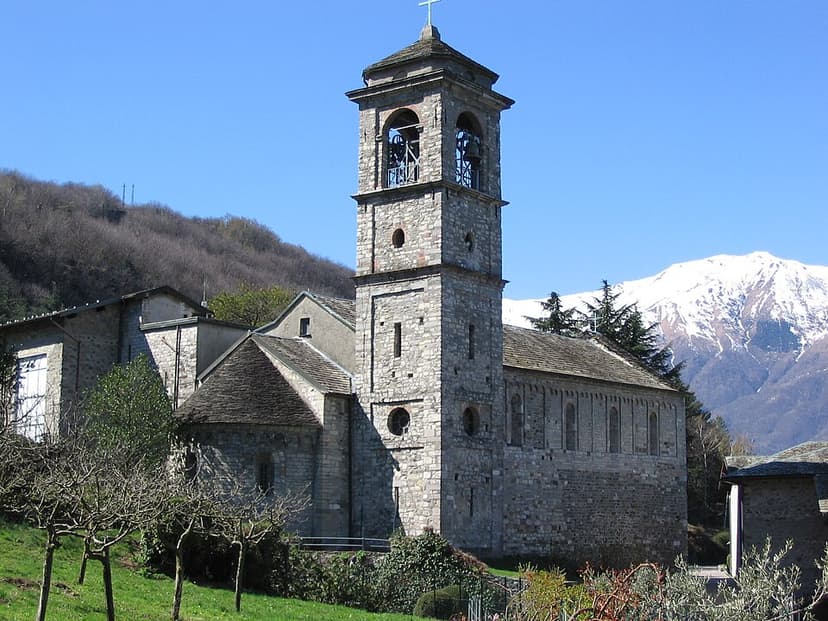
Piona Abbey, also known as Piona Priory, is a religious complex situated on a peninsula on Lake Como in northern Italy. Originally founded with a 7th-century church, it evolved to include a priory and monastery complex, later acquired by the Cistercian order in 1938. The abbey is notable for its Lombard Gothic architecture with French influences, its scenic location, and surviving frescoes.
Lagrasse Abbey
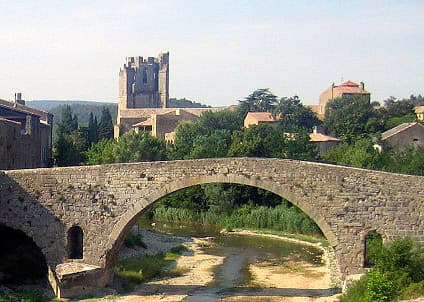
The Abbey of St. Mary of Lagrasse, originally founded in the 7th century, is a significant Romanesque abbey located in southern France. It transitioned from a Benedictine monastery to its current status as home to a community of canons regular in 2004. The abbey boasts a rich architectural history, incorporating Romanesque, classical, and medieval elements, and has undergone extensive restoration.