
Piona Abbey
Piona Abbey, also known as Piona Priory, is a religious complex situated on a peninsula on Lake Como in northern Italy. Originally founded with a 7th-century church, it evolved to include a priory and monastery complex, later acquired by the Cistercian order in 1938. The abbey is notable for its Lombard Gothic architecture with French influences, its scenic location, and surviving frescoes.
Key Facts
- ›The original church of Saint Justina was founded in the 7th century.
- ›A new church was reconsecrated in 1138.
- ›A priory and monastery complex was established, influenced by the Cluny reform movement.
- ›The abbey was acquired by the Cistercian order in 1938.
- ›The architecture is primarily Lombard Gothic with French influences.
- ›The cloister features round arches supported by columns with varied capitals.
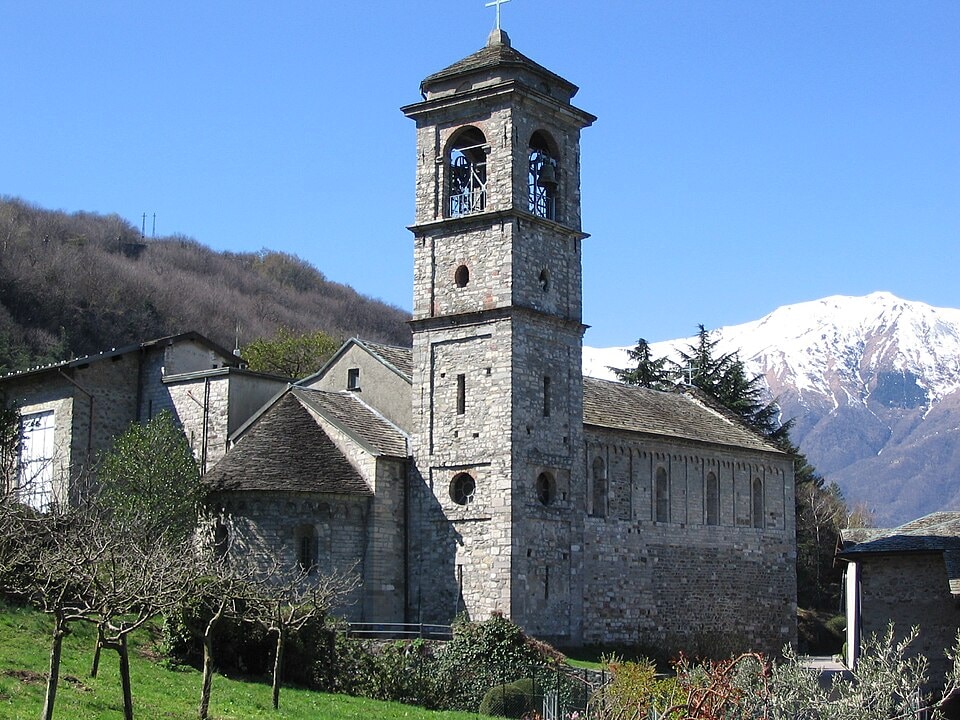
Lombard Gothic, French Gothic
- Ruins of A 7th-Century Apse
- 12th-13th Century Frescoes of Apostles
- Cloister With Round Arches and Varied Capitals
- Fresco of Symbolic Calendar On Cloister Wall
Piona Priory
Reconsecration of the Church In 1138, Acquisition By the Cistercian Order In 1938
About Piona Abbey
Piona Abbey, also known as Piona Priory, is a significant religious complex situated on the Lecco bank of Lake Como in northern Italy, specifically within the territory of Colico. It occupies a striking position at the apex of the Olgiasca peninsula, a landmass that extends into the lake like a finger, creating a unique inlet.
History and Development
The origins of Piona Abbey trace back to the 7th century with the founding of the original church of Saint Justina. Evidence of this early structure, specifically the ruins of an apse, can still be found behind the current church of San Nicola. Several centuries later, a new church was constructed and reconsecrated in 1138, as documented by an inscription. The later addition of a priory and monastery complex positioned Piona within the influential political-religious network led by the Cluny reform movement. Its strategic location, though removed from the main town, was situated along a crucial military route of historical importance.
Architecture and Features
The abbey exhibits a distinctive Lombard Gothic architectural style, enriched with French influences. The main church features a single nave, with the current edifice largely stemming from the 12th-century reconstruction. A bell tower from the 18th century stands today, replacing a previous octagonal structure. Internally, the apse showcases remnants of frescoes from the 12th and 13th centuries, depicting Apostles in a Byzantine style. The cloister is characterized by its irregular quadrangular plan, adorned with round arches supported by columns topped with a variety of capitals. A notable feature on the northern wall of the portico is a fresco depicting a symbolic calendar, illustrating the months and their associated seasonal works.
Modern Era
In 1938, Piona Abbey was acquired by the Cistercian order, a significant event that continues its tradition as a place of religious devotion and preservation. The abbey's scenic beauty and historical architecture make it a point of interest, preserving centuries of religious and architectural history on the shores of Lake Como.
Source: Wikipedia ↗
Frequently Asked Questions
What is Piona Abbey?
Piona Abbey, also referred to as Piona Priory, is a significant religious complex located on the Lecco bank of Lake Como in northern Italy. It is situated on the Olgiasca peninsula, offering a distinctive lakeside setting.
When was Piona Abbey founded?
The original church of Saint Justina, which forms part of the abbey complex, was founded in the 7th century. A later church on the site was reconsecrated in 1138.
What is the architectural style of Piona Abbey?
The abbey complex is predominantly in the Lombard Gothic style, with notable French influences. The current church structure largely dates from a 12th-century reconstruction, and the cloister exhibits characteristic round arches and varied column capitals.
Are there any notable artworks or features within Piona Abbey?
Yes, the apse of the church contains depleted frescoes from the 12th-13th centuries depicting Apostles in a Byzantine style. The cloister's northern portico wall features a symbolic fresco of the months and their associated works.
What is the current status of Piona Abbey?
Piona Abbey was acquired by the Cistercian order in 1938, indicating it remains an active religious site under their stewardship. It is a historical and architectural landmark.
Related Monasteries

Pavia Charterhouse
The Certosa di Pavia is a magnificent monastery complex in Lombardy, Italy, renowned for its blend of Gothic and Renaissance architecture and its extensive collection of artworks. Commissioned by Gian Galeazzo Visconti in 1396 as a dynastic mausoleum and a symbol of his aspirations, it was built over a century by numerous prominent architects and artists. Despite its Carthusian origins, known for austerity, the Certosa is celebrated for its architectural exuberance and rich artistic heritage, housing tombs of the Visconti and Sforza families.
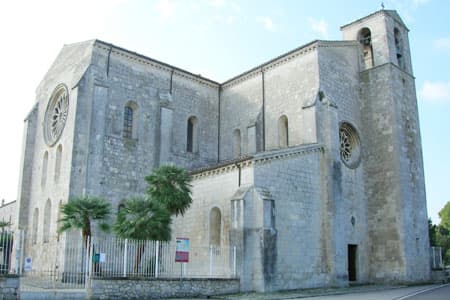
Santa Maria Arabona
Santa Maria Arabona is a Cistercian abbey located in Abruzzo, central Italy, with its church construction commencing in 1208. Despite facing financial and political challenges that left parts of the edifice unfinished, the abbey church, dedicated to the Virgin Mary, stands as a significant example of religious architecture, featuring a Latin cross plan and a sober interior accented by Gothic elements. The site is situated in a park, offering access to the remaining abbey structures.

Farneta Charterhouse
Farneta Charterhouse, also known as Certosa di Santo Spirito di Farneta or Certosa di Maggiano, is a Carthusian monastery located north of Lucca, Tuscany, Italy. Founded in the early 14th century, it gained tragic notoriety in September 1944 when Nazi troops massacred twelve of its monks and lay brothers, along with thirty-two partisans and Jews they were sheltering. Despite this devastating event, the monastery has a history of artistic contributions and continued monastic life, though it remains a site of remembrance for the wartime atrocities.