
Santa Maria Arabona
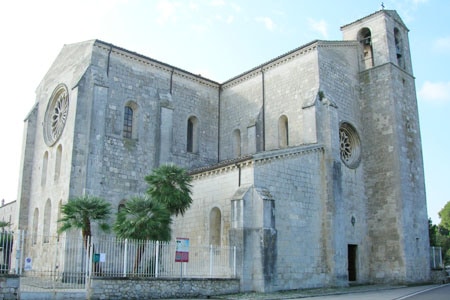
Santa Maria Arabona is a Cistercian abbey located in Abruzzo, central Italy, with its church construction commencing in 1208. Despite facing financial and political challenges that left parts of the edifice unfinished, the abbey church, dedicated to the Virgin Mary, stands as a significant example of religious architecture, featuring a Latin cross plan and a sober interior accented by Gothic elements. The site is situated in a park, offering access to the remaining abbey structures.
Key Facts
- ›Church construction began in 1208 with the transept and apse.
- ›The abbey follows a Latin Cross plan.
- ›The interior features a sober design with a richly decorated Gothic tabernacle and Paschal candle.
- ›Frescoes by Antonio Martini DI Atri, dated 1377, are present in the choir.
- ›The church underwent restoration in the 1950s.
- ›The area was historically sacred to the goddess Bona Dea in Roman times.
Gothic
Latin Cross Plan Church, Gothic Tabernacle, Gothic Paschal Candle, Frescoes By Antonio Martini Di Atri, Park Surrounding the Church
Santa Maria D'Arabona Di Manoppello
Antonio Martini Di Atri
Church Construction Began In 1208, Church Restoration In the 1950s
About Santa Maria Arabona
Santa Maria Arabona is a Cistercian abbey situated in the Abruzzo region of central Italy, specifically in Manoppello. The history of the site is marked by the commencement of its church's construction in 1208, with the transept and apse being the initial focus. However, financial and political difficulties within the Cistercian order led to parts of the edifice remaining unfinished, a characteristic that lends a unique aspect to its current state.
Architecture and Features
The abbey church, dedicated to the Virgin Mary, is designed on a Latin Cross plan, with a nave culminating in an apse that houses the high altar. The interior is notable for its sobriety, which is punctuated by a richly decorated tabernacle and a Paschal candle, both rendered in the Gothic style. A significant artistic element within the church are the frescoes found in the choir, created by Antonio Martini di Atri and dated to 1377. The church itself was subject to restoration efforts in the 1950s, ensuring its preservation.
Historical Context and Surroundings
Beyond its religious and architectural significance, the location of Santa Maria Arabona holds ancient ties. In Roman antiquity, the area was considered a sacred site dedicated to Bona Dea, a goddess associated with fertility and virginity. Today, the church is enveloped by a park, from which access to the remaining structures of the abbey can be gained, offering visitors a blend of natural scenery and historical discovery.
Source: Wikipedia ↗
Frequently Asked Questions
When was the church of Santa Maria Arabona built?
Construction of the church at Santa Maria Arabona began in 1208, starting with the transept and apse. The edifice, however, remained partly unfinished due to various troubles within the Cistercian order.
What is the architectural style of Santa Maria Arabona?
The church of Santa Maria Arabona is built on a Latin Cross plan. While the interior is generally sober, it includes a richly decorated tabernacle and Paschal candle in the Gothic style.
Are there any notable artworks at Santa Maria Arabona?
Yes, the choir of the church contains frescoes by Antonio Martini di Atri, which are dated 1377. These artworks add significant artistic value to the abbey.
What historical significance does the location of Santa Maria Arabona hold?
In Roman times, the area where Santa Maria Arabona is located was considered sacred to Bona Dea, the goddess of fertility and virginity. This ancient reverence adds a layer of historical depth to the site.
Has the abbey been restored?
The church at Santa Maria Arabona was restored in the 1950s. This restoration aimed to preserve the historical structure and its artistic elements for future generations.
Related Monasteries

Franciscan
The Franciscans are a group of Catholic religious orders founded by Saint Francis of Assisi in the early 13th century. Adhering to a life of poverty, preaching, and service, they have evolved into multiple branches for men and women, including the Order of Friars Minor, the Poor Clares, and the Secular Franciscan Order. Their original emphasis on extreme poverty was later relaxed, leading to internal conflicts and the establishment of distinct orders like the Conventuals and Capuchins.

Parma Charterhouse
The Parma Charterhouse, also known as Certosa di San Girolamo, is a former Carthusian monastery situated on the outskirts of Parma, Italy. Originally founded in the late 13th century, the site underwent significant Baroque reconstruction in the late 17th and early 18th centuries. After its suppression in 1769, the monastery was repurposed for various functions, including a tobacco factory and a reformatory, before becoming a school for prison police in 1975.

Santa Maria della Vittoria
The Abbey of Santa Maria della Vittoria was a Cistercian monastery founded in the 13th century by Charles I of Naples to commemorate his victory at the Battle of Tagliacozzo. Initially populated by French monks, it thrived for over a century before declining and eventually being abandoned after significant damage from an earthquake. Today, the abbey is in ruins, with fragments of its original architecture incorporated into modern structures.