
Wiedenbrück
Wiedenbrück is a historic town that merged with Rheda to form the modern city of Rheda-Wiedenbrück in North Rhine-Westphalia, Germany. It boasts a long history, with evidence suggesting a church existed as early as 785 AD and significant development as a town and administrative center from the 10th century onwards. The city was a seat of the Bishopric of Osnabrück and later became part of various German states, experiencing significant events during wartime and periods of reform.
Key Facts
- ›Evidence suggests a church was built in Wiedenbrück as early as 785 AD.
- ›Emperor Otto granted market, coin, and customs rights to Wiedenbrück in 952 AD.
- ›Wiedenbrück was proclaimed a civitas (city) in 1231.
- ›A Franciscan monastery was founded in Wiedenbrück in 1644.
- ›The city was the seat of the district named after it until 1970.
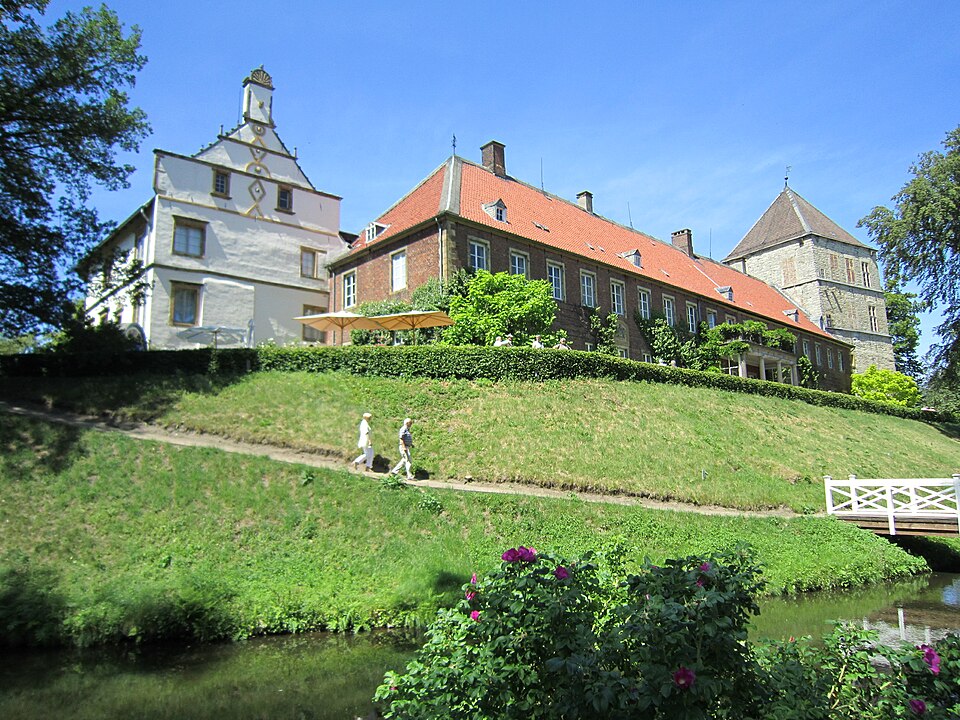
River Ems, Saint Aegidius Church, Gymnasium Marianum
WienbrüGge
Hermann Bonnus, Bishop Franz of Waldeck, Bishop Franz Wilhelm Von Wartenberg, Ernst August I.
- Construction of A First Small Church
- Granting of Market, Coin, and Customs Rights By Emperor Otto
- Proclamation As A Civitas
- Reformation By Hermann Bonnus
- Founding of the Franciscan Monastery
- Occupation By Danes During the Thirty Years' War
- Occupation By Swedes
- Attachment To the House of Hanover
- Became Part of the Kingdom of Westphalia
- Ceded To Prussia At the Congress of Vienna
- Synagogue Set On Fire
- Federal Highway A2 Opened To Traffic
- Confiscation of Bronze Church Bells
- Local Government Reform
About Wiedenbrück
Wiedenbrück is a historic town situated in the district of Gütersloh, North Rhine-Westphalia, Germany. It is part of the modern city of Rheda-Wiedenbrück, formed through the merger of the formerly independent towns of Rheda and Wiedenbrück. The town is located in the valley of the river Ems, south of the Teutoburg Forest, and is characterized by its historical development as an administrative and religious center.
History and Development
The history of Wiedenbrück traces back to at least the late 8th century, with a suspected first small church built around 785 AD. Archaeological findings point to the construction of a transept basilica after 900 AD. Significant administrative and economic rights were granted to Wiedenbrück in 952 AD when Emperor Otto bestowed upon the bishop of Osnabrück the rights of market, coin, and customs law for the town. This marked an early stage in its development as a recognized settlement.
By 1231, Wiedenbrück was officially proclaimed a civitas, or city, with the establishment of elected aldermen and a city seal. The town served as the seat of the Office Reckenberg, an exclave of the Bishopric of Osnabrück, and played a role in the territorial expansion of the bishopric. Its strategic importance is further evidenced by the construction of castle Reckenberg, first mentioned in 1250.
Wiedenbrück experienced periods of religious reform and conflict. It was reformed in 1543 and became predominantly Lutheran by 1565. However, Counter-Reformation efforts were also undertaken. The city endured occupations during the Thirty Years' War, including by Danish and Swedish forces. A significant religious institution, the Franciscan monastery, was founded in 1644.
Political and Administrative Changes
Throughout its history, Wiedenbrück was subject to various political shifts. In 1802, it was attached to the house of Hanover following the conversion of the Bishopric of Osnabrück into a principality. It later became part of the Kingdom of Westphalia in 1807 and was ceded to Prussia at the Congress of Vienna in 1816, becoming part of the new province of Westphalia. From 1816 until the local government reform in 1970, the city was the seat of the district named after it, Wiedenbrück.
Religious Landscape
As of January 1, 2013, the city of Rheda-Wiedenbrück had a population where approximately 49.1% were Roman Catholic, belonging to the Archdiocese of Paderborn. Around 21.6% were Protestant, part of the Evangelical Church of Westphalia, and about 23.6% had different religious affiliations. The city also has a notable share of members of the Syriac Orthodox Church due to the presence of the Assyrian community in Germany.
Modern Significance
Wiedenbrück, as part of Rheda-Wiedenbrück, continues to be a significant urban center. The city is known for its historical architecture and its role in regional history. The economy of Rheda-Wiedenbrück is notably strong, with Tönnies Holding, a major pork processing company, having its headquarters there.
Source: Wikipedia ↗
Frequently Asked Questions
What is the earliest known religious structure in Wiedenbrück?
It is suspected that a first small church was built in Wiedenbrück in 785 AD. Excavations have indicated the emergence of a transept basilica constructed after 900 AD, with dendrochronological analysis of tree coffins dating to the early 10th century.
When did Wiedenbrück gain city status?
Wiedenbrück was proclaimed a civitas, or city, in 1231. At this time, aldermen were elected to the court, and a city seal was announced, marking a significant step in its urban development.
What was the religious affiliation of Wiedenbrück for much of its history?
Wiedenbrück was historically a seat of the Bishopric of Osnabrück. It underwent a reformation in 1543 and was predominantly Lutheran by 1565, though later experienced Counter-Reformation efforts.
What significant religious institution was established in Wiedenbrück?
A Franciscan monastery was founded in Wiedenbrück in 1644 by Bishop Franz Wilhelm. This marked an important religious establishment within the city's historical landscape.
How did Wiedenbrück's administrative status change over time?
Wiedenbrück was historically the seat of the Office Reckenberg, an exclave of the Bishopric of Osnabrück. After various political changes, including becoming part of the Kingdom of Westphalia and later Prussia, it served as the seat of its own district until 1970.
Related Monasteries

Autun
Autun, originally founded as Augustodunum by Emperor Augustus, served as the Roman capital for the Gallic Aedui people. It boasts significant Roman architectural remains, including gates and a theatre, and later became known for its schools of rhetoric. The city's historical importance continued through the medieval period, highlighted by the construction of the Romanesque Autun Cathedral, renowned for its sculptural program.
Caen
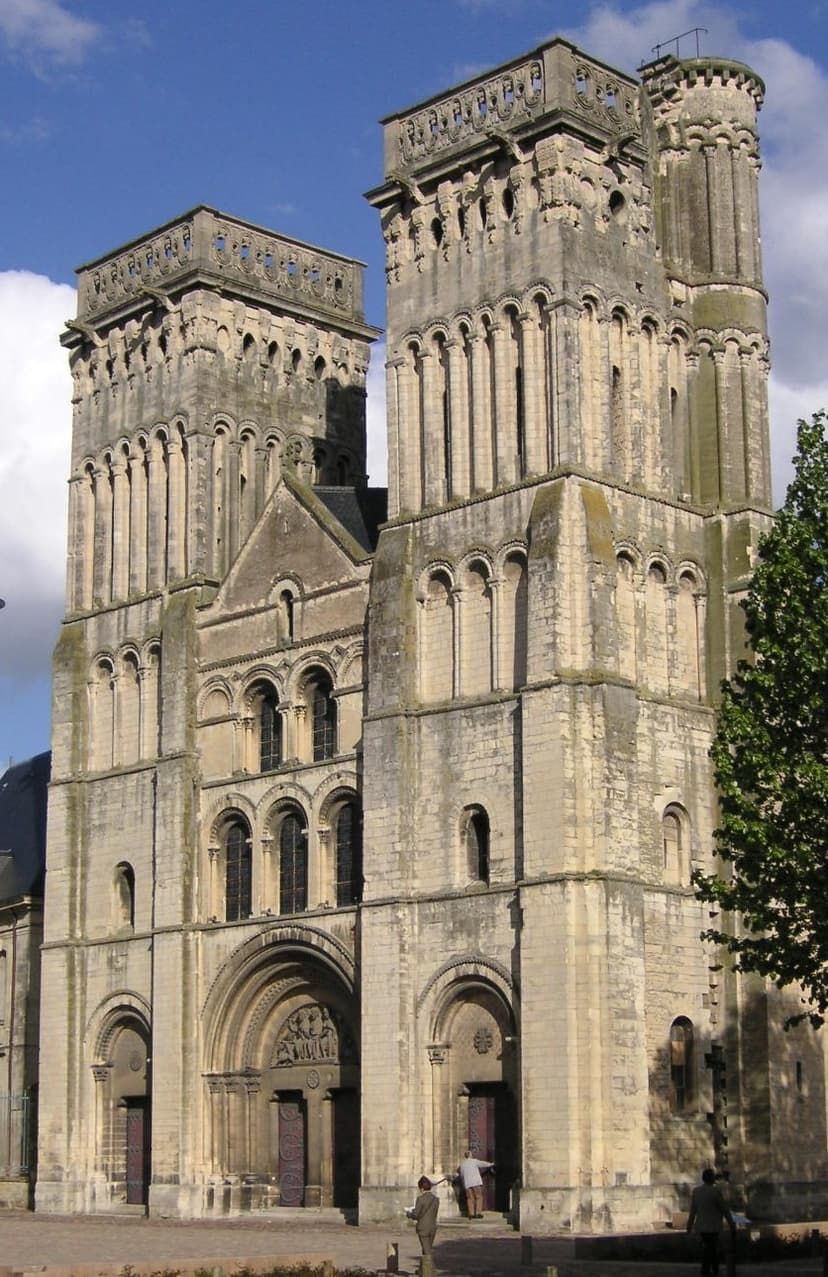
Caen is a historic city in Normandy, known for its significant role during the reign of William the Conqueror, who was buried there, and for the devastating Battle for Caen in 1944. It boasts impressive medieval architecture, including the Château de Caen and two significant abbeys, Sainte-Trinité and Saint-Étienne. Despite extensive destruction during World War II, Caen has been rebuilt and now serves as a modern urban center with a memorial dedicated to peace.

Tarragona
Tarragona is a historic city in Catalonia, Spain, renowned for its extensive Roman heritage, designated as a UNESCO World Heritage site. Founded by the Romans as Tarraco, it became a crucial administrative and military center in Roman Hispania. Over centuries, it experienced periods of Visigothic, Muslim, and Catalan rule, evolving into a significant bishopric seat and later a key part of the Crown of Aragon.