
Whitland Abbey
Christian·Wales·Ruins and later country house site·12th century
Whitland Abbey, originally known as Ty Gwyn ar Daf, was a significant Cistercian monastery in Wales, functioning from the 12th to the 16th centuries. It is historically associated with Hywel Dda, who is believed to have drawn up his laws there around 940. The abbey became an important cultural center for south-west Wales, supporting Welsh independence and later became the site of an early Carmarthenshire forge and a country house.
Key Facts
- ›Associated with the drawing up of Hywel Dda's laws around 940.
- ›Functioned as a Cistercian monastery from the 12th to the 16th centuries.
- ›Founded on September 16, 1140, by monks from Clairvaux Abbey.
- ›Moved to its permanent site at Whitland around 1155.
- ›Founded several daughter houses in Wales, including Strata Florida Abbey.
- ›Dedicated to St. Mary and had an establishment of eight monks at its dissolution.
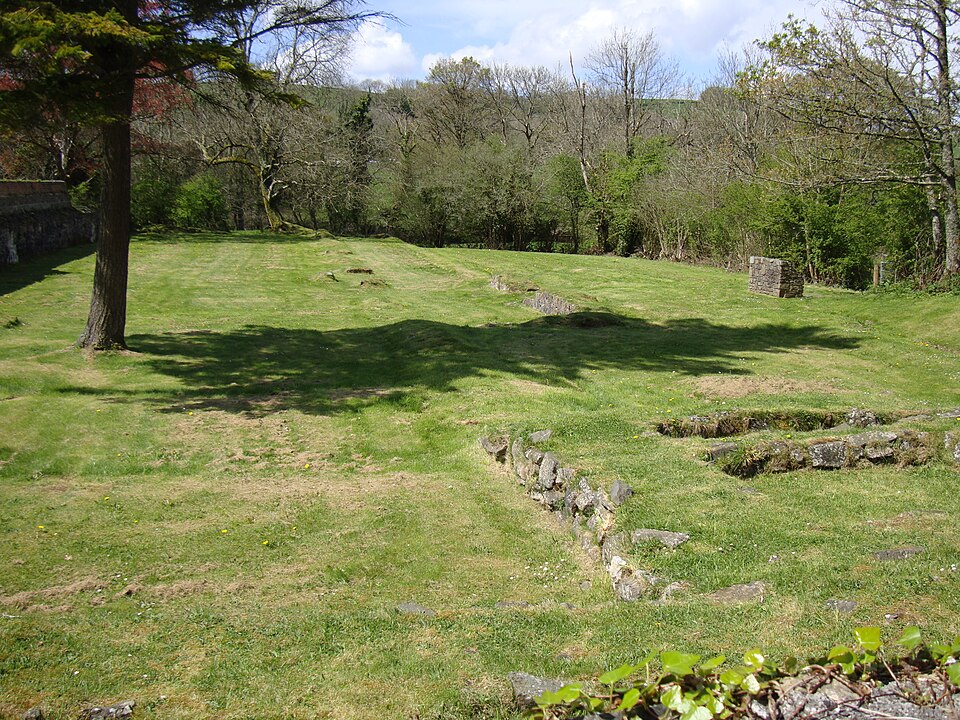
Site of the Drawing Up of Hywel Dda's Laws, Grass-Covered Foundations of Former Walls, Site of An Early Carmarthenshire Forge
Abaty Hendy-Gwyn Ar Daf, Y Tŷ Gwyn Ar Daf, Albalanda, Ty Gwyn Ar Taf
Hywel Dda, Paulinas, Son of Urien Rheged, Rhys Ap Gruffudd, Maredudd, Cadwaladr
- Grand National Council Held Around 940 For Compiling Laws
- Destruction of Bangor-On-Dee Monastery In 613
- Founding of Whitland Abbey In 1140
- Move To Permanent Site Around 1155
- Founding of Daughter Houses
- Castle Defense By the Abbot
- Maredudd Ended His Days As A Monk Here
- Dissolution of the Monasteries In the 16th Century
About Whitland Abbey
Whitland Abbey, known in Welsh as Abaty Hendy-gwyn ar Daf or Y Tŷ Gwyn ar Daf, and in Latin as Albalanda, was a significant Cistercian monastery located in the parish of Llangan, Pembrokeshire, Wales. The town that developed nearby now bears its name. The site's historical importance predates its monastic function, as it is widely recognized as the place where Hywel Dda convened a council around 940 to draw up his influential code of laws, known as 'the Laws of Hywel Dda'.
Monastic History
The Cistercian abbey itself was founded on September 16, 1140, by monks from the Clairvaux Abbey in France. Initially established at Little Trefgarn, it relocated to its permanent site at Whitland around 1155, with land granted by John of Torrington. Whitland Abbey played a crucial role in the Cistercian network in Wales, founding several daughter houses, including the notable Strata Florida Abbey in 1164 and re-founding Cwmhir Abbey in 1176. Although initially a Cambro-Norman foundation, it came under the significant patronage of Rhys ap Gruffudd, Prince of Deheubarth.
Cultural and Political Significance
Beyond its religious role, Whitland Abbey served as an important cultural center for southwest Wales. Historical accounts suggest it was a staunch supporter of Welsh efforts to resist English domination. The monastery, dedicated to St. Mary, housed an establishment of eight monks. Its history also includes a dramatic episode where the abbot defended Cynvael Castle with great valor. Rhys ap Gruffudd's son, Maredudd, also spent his final days as a monk at Whitland after being blinded by order of King Henry II of England.
Later Use and Remains
Whitland Abbey continued to flourish until the dissolution of the monasteries in the 16th century, at which point its estimated revenue was £153. 17s. 2d. Its site was subsequently granted to private individuals. Vestiges of the original royal palace of Ty Gwyn are described as grass-covered foundations, with few discernible remains of the structure itself. Later, a forge, reputed to be the oldest in Carmarthenshire, was established on the site, followed by a Victorian country house, with the estate eventually being sold off piecemeal.
Source: Wikipedia ↗
Frequently Asked Questions
What is Whitland Abbey's historical significance related to Welsh law?
Whitland Abbey is widely associated with Hywel Dda, a 10th-century Welsh king. It is believed to be the location where he convened a council around 940 to compile and enact his famous code of laws, known as 'the Laws of Hywel Dda'.
When was Whitland Abbey founded as a Cistercian monastery?
Whitland Abbey was officially founded on September 16, 1140, by monks originating from the mother house of Clairvaux Abbey. It later moved to its permanent site at Whitland around 1155.
What was the original name of the site before becoming Whitland Abbey?
The site was originally known as Ty Gwyn ar Daf, meaning 'White House on the Taf'. This name referred to a country house that predated the monastic settlement and was used by Hywel Dda.
What role did Whitland Abbey play in Welsh culture and politics?
Whitland Abbey became an important cultural hub for southwest Wales. It was a strong supporter of the Welsh struggle to maintain freedom from English domination.
What happened to Whitland Abbey after its dissolution?
After its dissolution in the 16th century, the site of Whitland Abbey was granted to private individuals. Later, a forge, reputed to be the oldest in Carmarthenshire, was established on the site, followed by a Victorian country house.
Related Monasteries

Aberconwy Abbey
Aberconwy Abbey was a significant Cistercian monastery, initially founded near Caernarfon in 1186 before moving to Conwy. It rose to prominence as the most important abbey in North Wales during the 13th century, largely due to the patronage of Llywelyn the Great, who was buried there. The abbey was later forcibly relocated by King Edward I to Maenan to make way for Conwy Castle and was eventually suppressed in 1537.

Basingwerk Abbey
Basingwerk Abbey, located near Holywell in Flintshire, Wales, was a ruined Cistercian monastery founded in 1132. It played a strategic role in medieval Welsh history and maintained extensive lands, notably in Derbyshire. Following its dissolution in 1536, the abbey's assets were dispersed, and its buildings fell into ruin, though parts were later repurposed. Today, the site is managed by Cadw and is a Grade I listed ruin within Greenfield Valley Heritage Park.

Ewenny Priory
Ewenny Priory, founded in 1141 by Maurice de Londres, was a Benedictine monastery in the Vale of Glamorgan, Wales. It is noted for its unusually extensive, military-style defences and its remarkable state of preservation, with architectural historians highlighting its significance as a complete Norman ecclesiastical building. Following the dissolution of the monasteries, parts were converted into a private residence, and it remains a significant historical and architectural site, though largely not open to the public except for its parish church.