
Waverley Abbey
Waverley Abbey, founded in 1128, holds the distinction of being the first Cistercian abbey in England. Despite its foundational significance and role as a motherhouse to several other abbeys, Waverley was consistently "slenderly endowed," leading its monks to endure periods of poverty and famine. The abbey ultimately met its end during the Dissolution of the Monasteries in 1536, with its ruins now managed by English Heritage and open to the public.
Key Facts
- ›Founded in 1128 by Bishop William Giffard, it was the first Cistercian abbey in England.
- ›Suffered from recurrent flooding due to its location on the River Wey floodplain.
- ›Despite being the first Cistercian house and motherhouse to others, it was "slenderly endowed" and faced poverty.
- ›Suppressed in 1536 during King Henry VIII's Dissolution of the Monasteries.
- ›The ruins are managed by English Heritage and are open to the public.
- ›A nearly 500-year-old yew tree grows on the ruins and won UK Tree of the Year in 2022.
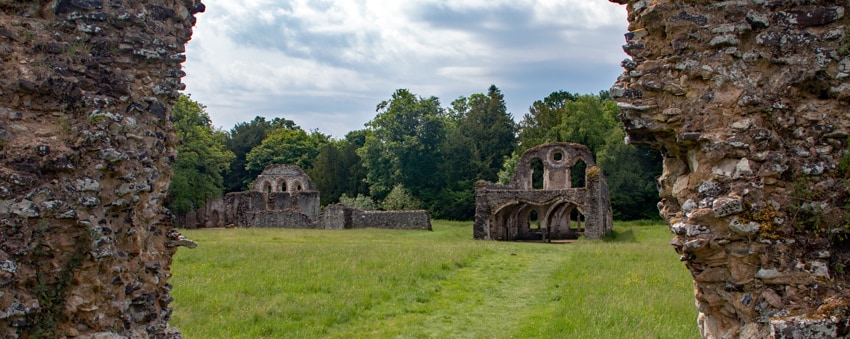
Gothic
- Ruins of the 13th-Century Reconstruction
- Vaulted Undercroft of the Lay Brothers' Refectory
- Walls of the Monks' Dormitory
- Remains of the Chapter House
- Traces of the Abbey Church Transepts
- Fishponds and Water Supply System Earthworks
- Ancient Yew Tree
William Giffard, Henry of Blois, King Stephen, Adeliza of Louvain, Faramus of Boulogne, King Richard I, King John, Pope Eugenius Iii, William, Rector of Broadwater, Albin, Bishop of Ferns, King Henry Iii, Nicholas De Ely, Sir William Fitzherbert, John Aislabie, Colen Campbell, Charles Child, Thomas Orby Hunter, Sir Robert Rich, John Thomson, George Thomas Nicholson, Thomas Darnley Anderson, Rupert Darnley Anderson, Charles Rupert Anderson, Walter Scott, Leslie Stephen, Arthur Conan Doyle
- Founded In 1128
- Suffered Severe Flooding In 1201, 1233, and 1265
- Rebuilt In the 13th Century
- Confiscation of Property By King John In 1208 and 1212
- Five Altars Consecrated In 1214
- Visited By King Henry Iii In 1225
- Church Construction Completed In 1278
- Suppressed In 1536 During the Dissolution of the Monasteries
- Waverley Abbey House Built In the 18th Century
- Used As A Military Hospital During Wwi
- Part of Wwii Defenses On the 'Ghq Line'
About Waverley Abbey
Waverley Abbey stands as a significant historical site in England, primarily recognized as the nation's first Cistercian abbey. Founded in 1128 by Bishop William Giffard of Winchester, its establishment marked the beginning of Cistercian monastic life in the country. Situated on the flood-prone plains of the River Wey near Farnham, Surrey, the abbey faced considerable challenges throughout its existence, including repeated damage from severe floods which necessitated extensive rebuilding in the 13th century.
Despite its foundational importance and its role as a motherhouse to several other Cistercian foundations, Waverley Abbey was perpetually "slenderly endowed." This limited financial standing meant its monks often endured periods of poverty and hardship. The abbey's monastic life came to an end in 1536 when it was suppressed as part of King Henry VIII's Dissolution of the Monasteries. Following its dissolution, the abbey was largely demolished, with its stones repurposed for local construction projects, including the later Waverley Abbey House built within the former precinct.
Today, the substantial ruins of Waverley Abbey are managed by English Heritage and are a popular destination for visitors. The site offers a glimpse into medieval monastic architecture, with notable remains including the vaulted undercroft of the lay brothers' refectory and the dormitory walls. The surrounding land, along with Waverley Abbey House, forms a conservation area. A unique feature of the site is an ancient yew tree, nearly 500 years old, which grows on the ruins and was recognized as the UK Tree of the Year in 2022. The historical importance of Waverley Abbey is further cemented by its appearance in literature, notably inspiring aspects of Walter Scott's novel 'Waverley' and featuring in Arthur Conan Doyle's 'Sir Nigel'.
Source: Wikipedia ↗
Frequently Asked Questions
When was Waverley Abbey founded?
Waverley Abbey was founded on November 24, 1128, by Bishop William Giffard. This marked the establishment of the very first Cistercian abbey in England.
What is the significance of Waverley Abbey?
Its primary significance lies in being the inaugural Cistercian monastery in England. It also served as the motherhouse for several other Cistercian abbeys, contributing to the order's expansion within the country.
Why was Waverley Abbey suppressed?
Waverley Abbey was suppressed in 1536 as part of King Henry VIII's broader policy known as the Dissolution of the Monasteries. This action led to the abbey's closure and subsequent demolition.
What remains of Waverley Abbey today?
Today, visitors can see the ruins of the abbey, which largely date from its 13th-century reconstruction. Notable remains include the vaulted undercroft of the lay brothers' refectory and the walls of the monks' dormitory.
Is Waverley Abbey open to visitors?
Yes, the ruins of Waverley Abbey are managed by English Heritage and are open to the public for visits.
Did Waverley Abbey experience flooding?
Yes, the abbey's location on the flood-plain of the River Wey led to severe flooding on multiple occasions, particularly in the 13th century. These events necessitated rebuilding and contributed to the abbey's challenges.
Related Monasteries

Ankerwycke Priory
Ankerwycke Priory was a small and relatively poor Benedictine nunnery established around 1160 in Buckinghamshire, England. Dedicated to St. Mary Magdalene, it held lands across several counties. Dissolved in 1536, its revenues were transferred to Bisham Abbey, and the priory site later saw the construction of a manor house. Today, only a small section of ruins remains, situated in Berkshire.
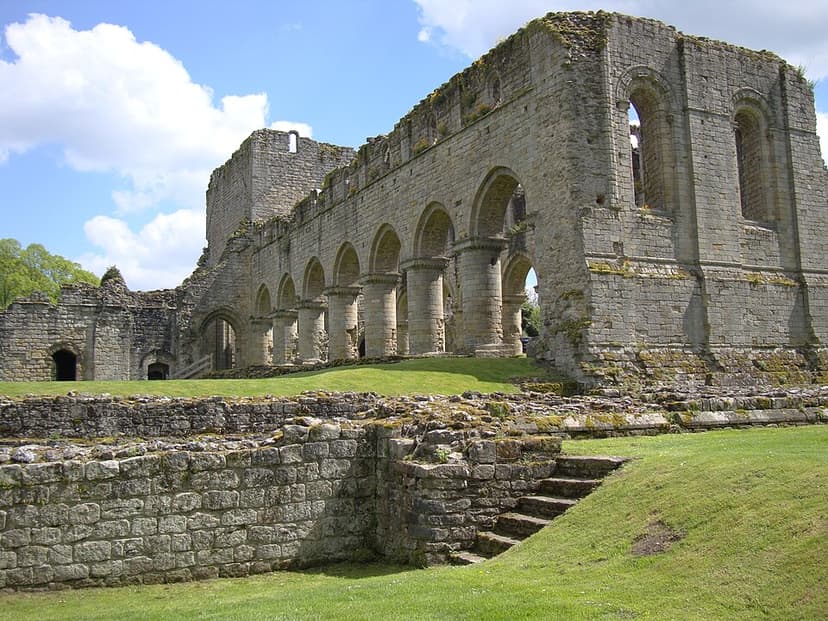
Buildwas Abbey
Buildwas Abbey was a significant Cistercian monastery in Shropshire, England, founded in 1135. It experienced periods of substantial growth and wealth, becoming a center of learning with a notable library. Despite facing challenges from economic crises and conflict, it played a role in royal administration, particularly concerning Ireland and Wales, before its suppression in 1536. Today, substantial remains of the abbey church and monastic buildings are maintained by English Heritage.

Byland Abbey
Byland Abbey was a Savigniac and later Cistercian monastic institution founded in 1135 in North Yorkshire, England. Despite an unstable early history with multiple relocations, it eventually settled at its final site near Coxwold. Once established, it became a significant religious and economic center, renowned for its sheep rearing and wool exports, and boasting a church described as one of the finest 12th-century structures in Europe. Though dissolved in 1538, extensive ruins remain, including the west front of the church with its notable rose window, and the site is maintained by English Heritage.