
Waulsort Abbey
Waulsort Abbey was a Benedictine monastery founded in 946 by Irish monks in Waulsort, Wallonia, Belgium. Invited by Eilbert de Florennes, the abbey served as a place of reparation and was led by abbots such as Saint Maccallin, Saint Cathróe, and Saint Forannan. Dissolved during the French Revolution in 1793, its surviving structures were later repurposed as a private residence. The abbey is notably recognized as the long-term owner of the Lothair Crystal.
Key Facts
- ›Founded in 946 by Irish monks.
- ›Associated with Saint Maccallin, Saint Cathróe, and Saint Forannan.
- ›Owned the Lothair Crystal from the 10th to the 18th century.
- ›Dissolved during the French Revolution in 1793.
- ›Surviving structures have been converted into a private house.

Lothair Crystal
Abbaye De Waulsort
Eilbert De Florennes, Saint Maccallin, Saint CathróE, Saint Forannan
- Founded In 946
- Dissolved During the French Revolution In 1793
- Sacked In 1793
About Waulsort Abbey
Waulsort Abbey, also known by its French name Abbaye de Waulsort, was a Benedictine monastery situated in Waulsort, within the region of Wallonia, now part of Hastière in the province of Namur, Belgium. Its establishment dates back to 946 when it was founded by Irish monks.
Founding and Early History
The initiative to found Waulsort Abbey was taken by Eilbert de Florennes, who sought to establish an abbey as an act of reparation for a wrongful act he had committed. The monastic community's early leadership included notable figures such as Saint Maccallin and Saint Cathróe, who served as its first two abbots. Later, Saint Forannan, who died in 980, also held the position of abbot at Waulsort.
Significance and Dissolution
Waulsort Abbey held significant historical importance, most notably as the custodian of the Lothair Crystal from the 10th century through to the 18th century. The abbey's existence as a monastic institution came to an end during the French Revolution in 1793. At that time, it was dissolved and subsequently sacked.
Present Day
Following its dissolution, the surviving structures of Waulsort Abbey have undergone significant remodeling. They have been converted into a private house, marking a transformation from its religious origins to a secular use. While the monastic community is no longer active, the site remains a point of historical interest due to its past and its association with the renowned Lothair Crystal.
Source: Wikipedia ↗
Frequently Asked Questions
When was Waulsort Abbey founded?
Waulsort Abbey was founded in the year 946.
Who founded Waulsort Abbey?
The monastery was founded by Irish monks who were invited by Eilbert de Florennes. He wished to establish an abbey as atonement for a wrongful deed.
What is Waulsort Abbey historically known for?
Waulsort Abbey is principally known for being the owner of the Lothair Crystal from the 10th century until the 18th century.
What happened to Waulsort Abbey?
The abbey was dissolved during the French Revolution in 1793 and was subsequently sacked. The remaining buildings have since been remodeled and are now a private house.
Who were some notable abbots of Waulsort Abbey?
Saint Maccallin and Saint Cathróe were the first two abbots of Waulsort Abbey. Saint Forannan also served as abbot there before his death in 980.
Related Monasteries
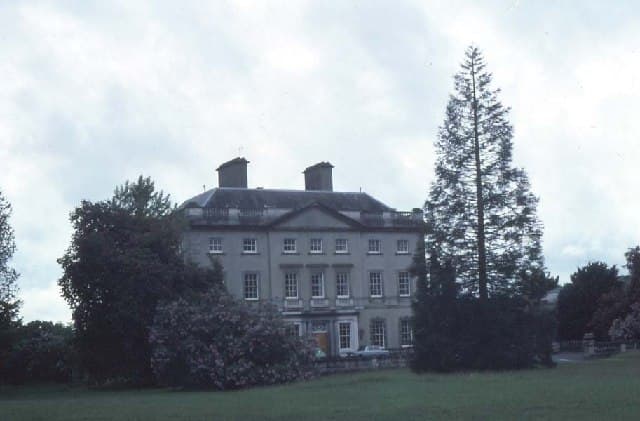
Abbeyleix
Abbeyleix House is a significant Irish country house, formerly the residence of the Viscounts de Vesci, designed by James Wyatt and built in 1773. It is noted for its architectural quality and the planned estate town it overlooks, which was established to improve the views from the mansion. The property has undergone extensive restoration and has recently been acquired by entrepreneur John Collison.
Carrow Priory
Carrow Abbey was a Benedictine priory in Norwich, England, founded around 1146 by King Stephen. It housed a prioress and nuns, playing a significant role in local ecclesiastical and legal matters. After the dissolution of the monasteries, the priory's structures were integrated into a private estate, undergoing significant renovations and additions, notably by the Martineau and Colman families. Today, it is known as a Grade I listed building, with parts reflecting its 16th-century origins and later 19th-century modifications.

Casbas Monastery
The Casbas Monastery, also known as the Monastery of Santa Maria de la Gloria, is a significant historical and religious site in Aragon, Spain. Founded in 1173 by Countess Oria de Pallars, it initially housed a Benedictine community of noblewomen before formally joining the Cistercian order. The monastery features notable architecture, including a Romanesque church consecrated in 1208 and a cloister with ogee arches.