
Vrdnik-Ravanica Monastery
Vrdnik-Ravanica Monastery, also known as Little Ravanica, is a Serbian Orthodox monastery located in the Fruška Gora mountains of Vojvodina, Serbia. While its exact founding date is unknown, historical records suggest the original church was built in the latter half of the 16th century. The present-day church was constructed between 1801 and 1811, and its interior features were adorned with paintings by Dimitrije Avramović in 1853. The monastery was recognized for its cultural significance and declared a Monument of Culture of Exceptional Importance in 1990.
Key Facts
- ›Located in the Fruška Gora mountains, Vojvodina, Serbia.
- ›Exact founding date is unknown, but church construction dates to the second half of the 16th century.
- ›Present church built between 1801 and 1811.
- ›Altar screen and vault icons painted by Dimitrije Avramović in 1853.
- ›Declared a Monument of Culture of Exceptional Importance in 1990.
- ›Also known by the name Little Ravanica.
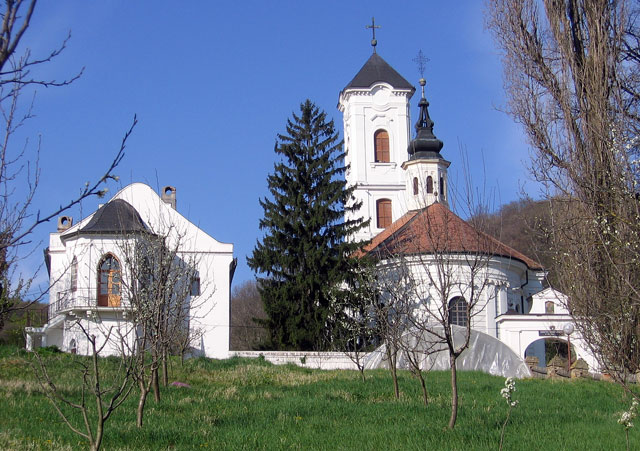
- Icons On Altar Screen and Vaults By Dimitrije Avramović
Little Ravanica
Metropolitan Serafim Jovanović, Dimitrije Avramović
- Church Built In the Second Half of the 16th Century.
- Present Church Constructed From 1801 To 1811.
- Icons Painted In 1853.
- Declared Monument of Culture of Exceptional Importance In 1990.
About Vrdnik-Ravanica Monastery
Vrdnik-Ravanica Monastery, also known by the name Little Ravanica, is a significant Serbian Orthodox monastery situated in the picturesque Fruška Gora mountains of Vojvodina, a northern province of Serbia. While the precise year of its establishment remains unrecorded, historical evidence points to the construction of its original church during the tenure of Metropolitan Serafim Jovanović, in the latter half of the 16th century. The monastery's present-day church, a key architectural feature, was erected between 1801 and 1811. Further enriching its artistic heritage, the icons adorning the altar screen and vaults were meticulously painted by the renowned artist Dimitrije Avramović in 1853.
Recognizing its profound cultural and historical value, Vrdnik-Ravanica Monastery was officially designated a Monument of Culture of Exceptional Importance in 1990. This esteemed status ensures its ongoing protection by the state, safeguarding its legacy for future generations. The monastery continues to serve as an active spiritual center within the Serbian Orthodox tradition.
Source: Wikipedia ↗
Frequently Asked Questions
When was Vrdnik-Ravanica Monastery founded?
The exact date of Vrdnik-Ravanica Monastery's founding is not precisely known. However, historical records indicate that the original church was built during the tenure of Metropolitan Serafim Jovanović, in the second half of the 16th century.
What is the present church at Vrdnik-Ravanica Monastery like?
The current church structure at Vrdnik-Ravanica Monastery was constructed between 1801 and 1811. The icons found on its altar screen and within its vaults were painted by the artist Dimitrije Avramović in 1853.
What is the significance of Vrdnik-Ravanica Monastery?
Vrdnik-Ravanica Monastery holds significant cultural importance. In 1990, it was officially designated as a Monument of Culture of Exceptional Importance and is currently protected by the state.
Are there any alternative names for Vrdnik-Ravanica Monastery?
Yes, Vrdnik-Ravanica Monastery is also commonly known as Little Ravanica.
Related Monasteries
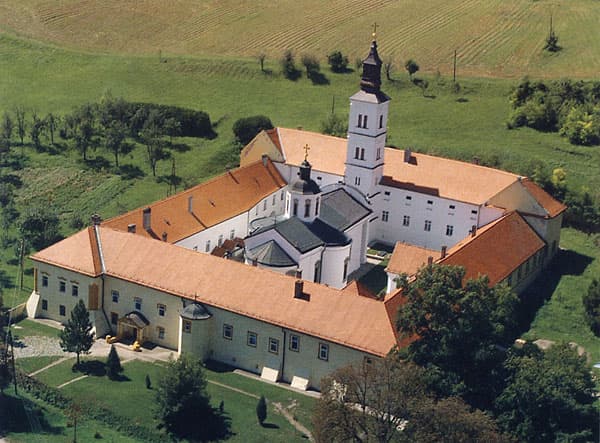
Krušedol Monastery
Krušedol Monastery is a Serbian Orthodox monastery located on Fruška Gora mountain, founded between 1509 and 1514 by Saint Maksim Branković and Saint Angelina of Serbia. It served as the spiritual center for the Branković family and later became the seat of the Metropolitanate of Krušedol. The monastery has endured numerous ransackings and fires throughout its history, particularly during Ottoman conflicts and World War II, but has been repeatedly rebuilt, preserving its rich artistic and historical legacy.

Grnčarica Monastery
Grnčarica Monastery is a Serbian Orthodox women's monastery dedicated to Saint Nicholas, located in the village of Prnjavor, Serbia. While legend places its founding in the late 13th or early 14th century, historical consensus suggests a mid-16th century construction. The monastery has endured significant destruction and rebuilding throughout its history, notably during Turkish invasions, Kočina Krajina, and both World Wars, before re-establishing itself as a women's community in 1946.

Lapušnja Monastery
Lapušnja Monastery is a Serbian Orthodox monastery located on the slopes of Rtanj mountain, near the village of Lukovo. Founded in 1500/1501 by Duke Jovan Radul and Prefect Gergina, its church of St. Nicholas was painted in 1510. Although it fell into ruin over centuries, its preserved remains are recognized today as a cultural monument of great importance to Serbia.