
Villeneuve Abbey
Cistercian·France·Ruins (church demolished), Main building is a hotel·13th century
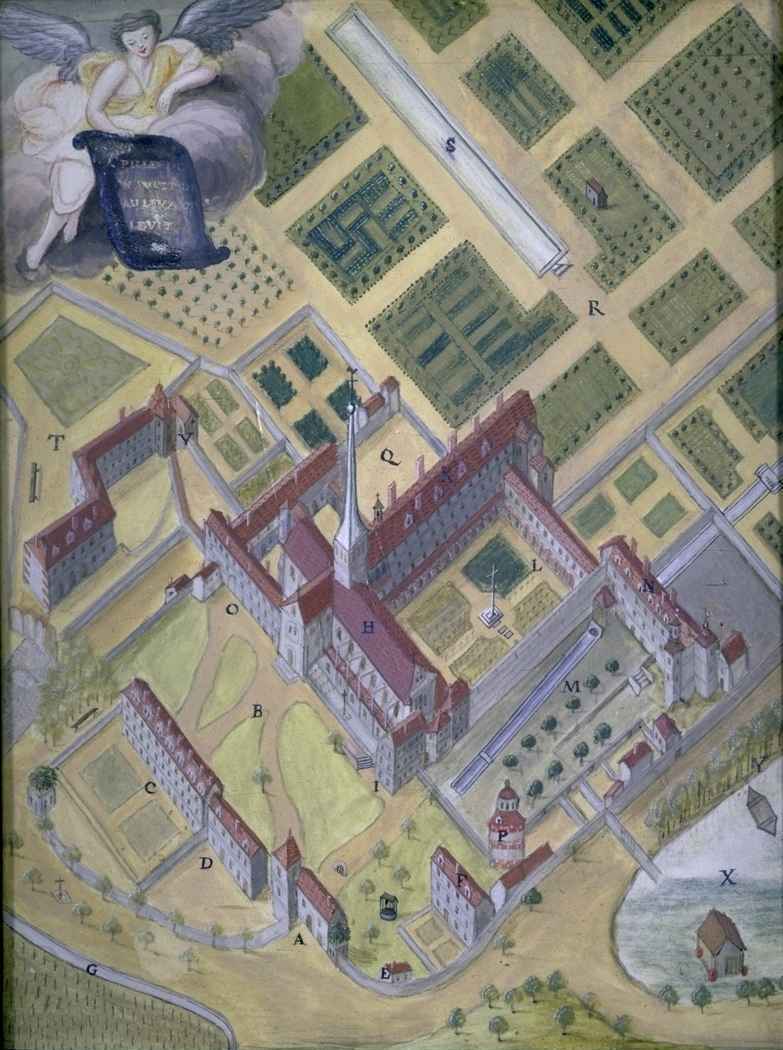
Villeneuve Abbey was a Cistercian monastery founded in 1201 and dedicated to Our Lady, located near Nantes, France. For many years, it served as the principal burial place for the founding family of Constance, Duchess of Brittany. Dissolved during the French Revolution in 1790, its main surviving building, the Château de Villeneuve, has been restored and now operates as a hotel and restaurant.
Key Facts
- ›Founded in 1201 by Constance, Duchess of Brittany.
- ›A daughter house of Buzay Abbey, with Clairvaux as its primary abbey.
- ›Served as the principal burial place for Constance and her family.
- ›Dissolved in 1790 during the French Revolution.
- ›The main surviving building is now a hotel, known as the Château de Villeneuve.

- Burial Place of Constance, Duchess of Brittany, and Her Family
- ChâTeau De Villeneuve
Constance, Duchess of Brittany, Guy of Thouars, Alix of Thouars, Bertrand I, Jean D'EstréEs
Founded In 1201, Church Consecrated In 1223, Dissolved and Nationalized In 1790, Burned During the War In the VendéE
About Villeneuve Abbey
Villeneuve Abbey was a Cistercian monastery dedicated to Our Lady, established in 1201 near Nantes in what is now the Pays de la Loire region of France. Its founding was initiated by Constance, Duchess of Brittany, who brought monks from Buzay Abbey to create this new religious house. For a significant period following its foundation, Villeneuve Abbey served as the primary burial site for Constance's family, including herself, her husband Guy of Thouars, and their daughter Alix.
History and Significance
The abbey's construction began shortly after its formal establishment, with the church consecrated on October 25, 1223. The early monks were involved in land reclamation efforts, assisting in draining marshes and digging canals. Villeneuve maintained its importance through the 15th century, but subsequently experienced a period of decline. This decline was exacerbated in the late 17th century with the appointment of commendatory abbots, who often were not priests and received a large portion of the monastery's income, leaving fewer resources for the resident monks.
Dissolution and Later Use
By 1789, only eight monks remained at Villeneuve Abbey. The last commendatory abbot, Claude-François Lysarde de Radonvilliers, died, leading to the abbey's nationalization and sale. The new owner, M. Blanchard, was primarily interested in the agricultural lands and the former hostelry. He demolished the abbey church and repurposed the hostelry as a residence, renaming it the Château de Villeneuve. The property suffered further damage during the War in the Vendée, with its buildings burned and tombs profaned.
After the war, Blanchard restored the Château de Villeneuve. Abandoned after World War II, it underwent restoration in 1977 and now operates as a luxury hotel and restaurant. The main surviving building, the Château de Villeneuve, reflects the history of the site, though it has been significantly altered since the monastic era. The abbey's dissolution marked the end of its religious function, transforming its physical legacy into a secular establishment.
Source: Wikipedia ↗
Frequently Asked Questions
When was Villeneuve Abbey founded?
Villeneuve Abbey was founded in 1201. The formal establishment took place on March 25, 1201, when Constance, Duchess of Brittany, granted the new abbey a charter.
Who founded Villeneuve Abbey?
Villeneuve Abbey was founded by Constance, Duchess of Brittany. She brought monks from Buzay Abbey to establish the new Cistercian monastery on land she owned.
What happened to Villeneuve Abbey during the French Revolution?
During the French Revolution, Villeneuve Abbey was nationalized and sold in 1790. The abbey church was demolished by the new owner, and the buildings were later burned out during the War in the Vendée.
What is the main surviving building of Villeneuve Abbey today?
The main surviving building of Villeneuve Abbey is now known as the Château de Villeneuve. It was the abbey's hostelry, restored after being burned out and is now a luxury hotel and restaurant.
Who is buried at Villeneuve Abbey?
Villeneuve Abbey was the principal burial place for the founder's family. Notable burials include Constance, Duchess of Brittany, her husband Guy of Thouars, their daughter Alix, and other members of the Machecoul family.
Related Monasteries

La Clarté-Dieu
The Abbey of La Clarté-Dieu was a Cistercian monastery founded in 1239 in Saint-Paterne-Racan, France. Conceived by Peter des Roches, Bishop of Winchester, it was established as part of a pair with Netley Abbey in England. Despite suffering damage during the Hundred Years' War and facing financial strain, it survived until the French Revolution, after which it was secularized and partially used as a farm. Today, much of the medieval and post-medieval structures remain in excellent condition and are preserved as a monument historique, open to the public.

Maubuisson Abbey
Maubuisson Abbey, also known as Notre-Dame-la-Royale, is a former Cistercian nunnery founded in 1236 by Blanche of Castile, Queen of France. It served as a royal residence and necropolis, and despite periods of decline and conflict, it played an important role in the local economy. Today, the surviving buildings are listed as a monument historique and the site houses a Centre of Contemporary Arts.
Port-Royal-des-Champs
Port-Royal-des-Champs was a Cistercian abbey that gained significant cultural and theological influence in the 17th century, particularly through its association with Jansenism and the prominent Arnauld family. It established renowned schools and became a center for intellectual and religious reform, attracting figures like Blaise Pascal. Despite its influence, it faced persecution and was eventually suppressed by papal bull, with most of its buildings razed.