
Vergaville
Vergaville is a commune located in the Moselle department in the Grand Est region of northeastern France. Historically, it was known as Widersdorf in German. The commune's primary significance lies in its geographical location within a specific French administrative department.
Key Facts

Widersdorf
About Vergaville
Vergaville is a commune situated in the Moselle department, which is part of the Grand Est region in northeastern France. The locality also bears the historical German name Widersdorf. Its geographical positioning within this specific French administrative division is its primary identifier.
Geographical Context
As a commune in the Moselle department, Vergaville is part of a region known for its historical and cultural intersections. Its location in northeastern France places it within a significant European crossroads. The commune is an administrative entity within the French Republic.
Source: Wikipedia ↗
Frequently Asked Questions
Where is Vergaville located?
Vergaville is a commune situated in the Moselle department, within the Grand Est region of northeastern France.
What is the German name for Vergaville?
Historically, Vergaville was known by the German name Widersdorf.
In which part of France is Vergaville found?
Vergaville is located in the northeastern part of France.
Related Monasteries
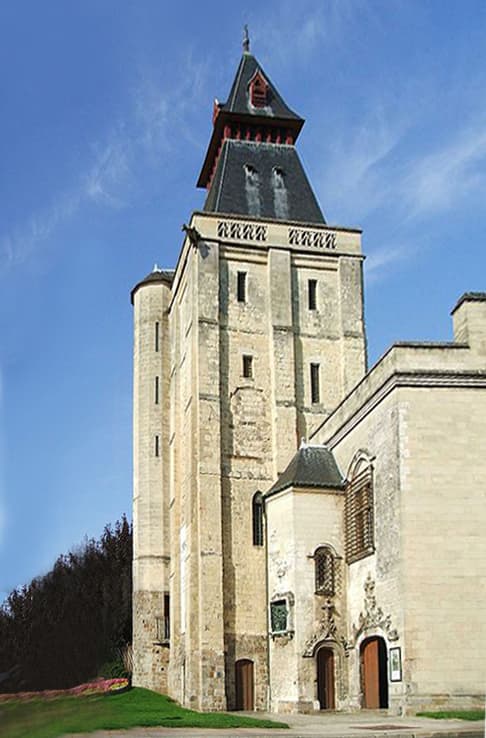
Abbeville
Abbeville is a historic commune in northern France, located on the Somme River and serving as the historical capital of the County of Ponthieu. Its strategic location made it a significant crossing point and trading port throughout history, experiencing periods of both prosperity and conflict during the Middle Ages and beyond. The town is also notable for its connection to early prehistory due to the discovery of Paleolithic stone tools.

Abbey of la Pierre-qui-Vire
The Abbey of la Pierre-qui-Vire is a Benedictine monastery founded in 1850 in the Morvan forests of France. Named after a large, historically mobile stone, the abbey was established by Father Jean-Baptiste Muard and became part of the Subiaco Congregation. Despite periods of exile due to anti-clerical legislation, the community was re-established and is today known for its cheese production and its publishing house, Éditions Zodiaque, which specializes in Romanesque art.
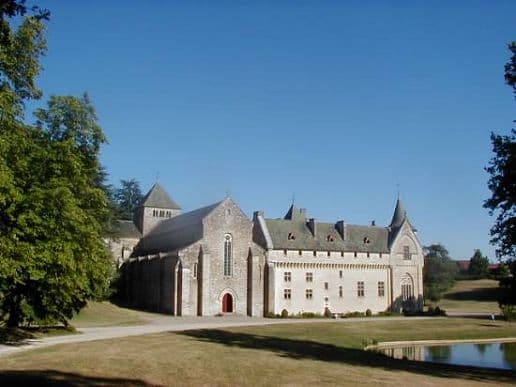
Abbey of Loc-Dieu
Abbey of Loc-Dieu is a Cistercian abbey situated in Aveyron, France, founded in 1123 on a site historically known as "devil's place" before being renamed "place of God" by its monastic inhabitants. Despite facing destruction and rebuilding, it became a significant Gothic architectural site and, during World War II, served as a safe haven for artworks from the Louvre, including the Mona Lisa. Today, the abbey and its park are open to the public.