
Abbeville
Abbeville is a historic commune in northern France, located on the Somme River and serving as the historical capital of the County of Ponthieu. Its strategic location made it a significant crossing point and trading port throughout history, experiencing periods of both prosperity and conflict during the Middle Ages and beyond. The town is also notable for its connection to early prehistory due to the discovery of Paleolithic stone tools.
Key Facts
- ›Abbeville was historically the capital of the County of Ponthieu and maritime Picardy.
- ›The town's name derives from the Latin 'Abbatis Villa,' meaning 'field of the Abbot,' referring to its dependence on the Abbey of Saint-Riquier.
- ›Abbeville is recognized for its association with Paleolithic stone tools, known as Abbevillian handaxes, discovered in the region.
- ›The city played a role in significant medieval events, including hosting the Estates-General in 1259 and being a meeting point for troops during the First Crusade.
- ›Abbeville was known as 'Abbeville la pucelle' ('the virgin') for its historical resistance to being taken.
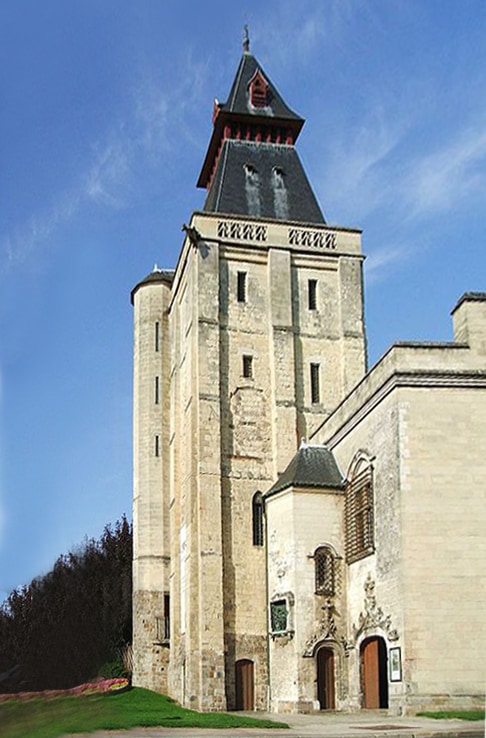
- Chapel of Saint-Pierre-Saint-Paul
- Remains of the Priory of Saints Peter and Paul
- éMonville Park
- Robert Mallet Municipal Library
Abbekerke, Abbegem, Abacivo Villa, Cloie, Cloye, Basiu, Haymonis Villa, Abbevile, Abbeville En Pontiu, Albeville, Aubeville, Aubbeville, Abeville, Hableville, Ableville
Jacques Boucher De Perthes, William of MâCon, GéRard De Villars, Hugues De Pairaud, Arthur Foulc D'éMonville, Edward Iii, Hugh Capet, GisèLe, Hugh I, Count of Ponthieu, Louis the Fat, Godefroy De Bouillon, John I of Ponthieu, Jeanne De Dammartin, Henry Iii of England, Louis Ix of France, Edward Ii of England, Philip V of France, Jean Marant, John Ii of France, Ringois, Charles V of France, Henry Vi of England, Philip the Good, Duke of Burgundy, Louis Xi of France, Charles the Bold, Louis Xii, Mary Tudor, Henry Vii of England, Francis I of France, Cardinal Wolsey, Charles V, Holy Roman Emperor, Voltaire, Chevalier De La Barre, Victor Hugo, M. R. James, André Maurois, Christian Morel De Sarcus
- Discovery of Paleolithic Handaxes
- Landing of Magnus Maximus and His Britto-Roman Troops
- First Historical Mention In 831 Ad
- Fortification By Hugh Capet
- Meeting Point For Troops During the First Crusade
- Granting of A Charter In the 12th Century, Confirmed In 1184
- Building of A Belfry
- Participation of Abbeville Militia In the Battle of Bouvines
- Hosting of the Estates-General and Signing of the Treaty of Paris
- Passage To English Rule
- Alternating Occupation By English and French Forces During the Hundred Years' War
- Transfer To the Crown of England By the Treaty of BréTigny
- Revolt of Jacques Defeated Near Saint-Riquier
- Capture By Soldiers of Charles V, Then Recapture By the English
- Passage Under Burgundian Rule
- Cession To Philip the Good, Duke of Burgundy, By the Treaty of Arras
- Purchase By Louis Xi
- Plague Epidemics
- Marriage of Louis Xii To Mary Tudor
- Meeting Between Francis I and Cardinal Wolsey To Form A League Against Charles V
- Frequent Requisitions Due To the Wars of Francis I
- Outbreak of Plague
- Revocation of the Edict of Nantes Leading To Decline of Cloth Business
- Closure of the River Port Due To Silt
- Bombing of 1940
- Floods of the Somme In 2001
About Abbeville
Abbeville: A Historic Hub on the Somme
Abbeville is a commune situated in the Somme department and Hauts-de-France region of northern France, historically recognized as the capital of the County of Ponthieu. Its strategic location on the Somme River, near its modern mouth and the English Channel, has shaped its long and eventful past. The name 'Abbeville' itself derives from the Latin 'Abbatis Villa,' meaning 'field of the Abbot,' referencing its historical ties to the powerful Abbey of Saint-Riquier.
Prehistory and Origins
The area surrounding Abbeville holds significant importance for the study of prehistory. The discovery of Paleolithic stone tools, particularly handaxes, in the region led to the classification of the 'Abbevillian' industry. These findings, first systematically described by Jacques Boucher de Perthes, provided crucial evidence for early human activity in Europe. The Romans occupied the area, and by the 7th century, the region saw clearing of woods by Benedictine monks, leading to the establishment of the abbatial field of Abbeville.
Medieval Significance and Conflicts
Throughout the Middle Ages, Abbeville evolved from a fortified island settlement into a vital trading port. Its importance grew with the development of trades like salt, woad, and wool cloth, leading to increased wealth and political influence for its bourgeoisie, who secured a charter in the 12th century. The town played a role in significant events, including hosting the Estates-General in 1259, where the Treaty of Paris was signed, and serving as a gathering point during the First Crusade. However, its strategic location also made it a frequent target during conflicts. The Hundred Years' War saw Abbeville alternately occupied by English and French forces, bringing considerable suffering and devastation to its inhabitants. The town was known for its resilience, earning the sobriquet 'Abbeville la pucelle' ('the virgin') for its historical resistance to being conquered.
Early Modern and Modern Eras
In the early modern period, Abbeville continued to be a site of royal marriages and diplomatic meetings, such as the marriage of Louis XII to Mary Tudor in 1514. The textile industry, particularly linens and tablecloths, flourished with the establishment of royal manufactures, though it later declined after the revocation of the Edict of Nantes. The town's economy was also impacted by the silting of the Somme River, which affected its port activities. Abbeville has been the subject of literary works by authors like Voltaire and Victor Hugo, and its history includes periods of plague, bombing in the 20th century, and significant floods.
Source: Wikipedia ↗
Frequently Asked Questions
What is the origin of the name Abbeville?
The name Abbeville originates from the Latin 'Abbatis Villa,' which translates to 'field of the Abbot.' This name signifies its historical dependence on the Abbey of Saint-Riquier.
What is Abbeville known for in terms of prehistory?
Abbeville is renowned for its connection to the Paleolithic era due to the discovery of stone tools, specifically handaxes, in the region. These tools were named 'Abbevillian handaxes' after the town.
What was the historical significance of Abbeville's location?
Located on the Somme River, Abbeville was a crucial crossing point and a trading port. Its position made it strategically important, especially during the Middle Ages, often serving as a base for military operations and a center for commerce.
What medieval events are associated with Abbeville?
Abbeville hosted the Estates-General of the Kingdom in 1259, where the Treaty of Paris was signed. It also served as a gathering point for troops participating in the First Crusade and experienced periods of English and French occupation during the Hundred Years' War.
Why was Abbeville sometimes called 'Abbeville la pucelle'?
Abbeville was known as 'Abbeville la pucelle,' meaning 'the virgin,' because it boasted of having never been conquered. This epithet reflects its historical resilience against sieges and occupations.
Related Monasteries

Abbey of la Pierre-qui-Vire
The Abbey of la Pierre-qui-Vire is a Benedictine monastery founded in 1850 in the Morvan forests of France. Named after a large, historically mobile stone, the abbey was established by Father Jean-Baptiste Muard and became part of the Subiaco Congregation. Despite periods of exile due to anti-clerical legislation, the community was re-established and is today known for its cheese production and its publishing house, Éditions Zodiaque, which specializes in Romanesque art.
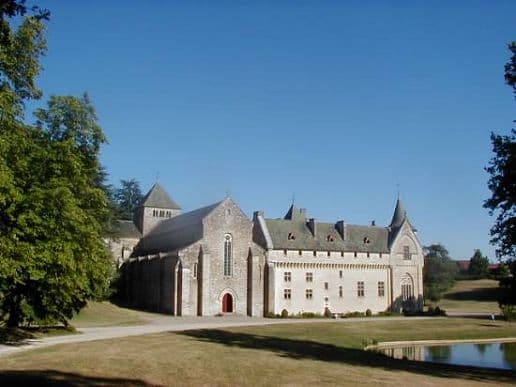
Abbey of Loc-Dieu
Abbey of Loc-Dieu is a Cistercian abbey situated in Aveyron, France, founded in 1123 on a site historically known as "devil's place" before being renamed "place of God" by its monastic inhabitants. Despite facing destruction and rebuilding, it became a significant Gothic architectural site and, during World War II, served as a safe haven for artworks from the Louvre, including the Mona Lisa. Today, the abbey and its park are open to the public.

Abbey of Notre-Dame des Neiges
The Abbey of Notre-Dame des Neiges is a Cistercian monastery located in the Ardèche département of south-central France. Originally founded as a Trappist monastery in 1850, it was resettled by Cistercian nuns in 2022 after a period of closure due to a lack of novices. The abbey is known for its historical significance, including a visit by Robert Louis Stevenson and its role as a refuge during periods of persecution.