
Tilty Abbey
Tilty Abbey was a Cistercian monastery located in Tilty, Essex, England. Founded in the 13th century, its chapel, dating from around 1220, has survived and is now a parish church. The abbey was dissolved on March 3, 1536, as part of the Dissolution of the Monasteries under Henry VIII.
Key Facts
- ›Founded as a Cistercian abbey.
- ›The chapel, built circa 1220, survives as a parish church.
- ›Dissolved on March 3, 1536.
- ›An inventory of its goods and chattels was made at the time of dissolution.
- ›The abbot and brethren were initially allowed to remain in the abbey after its dissolution.
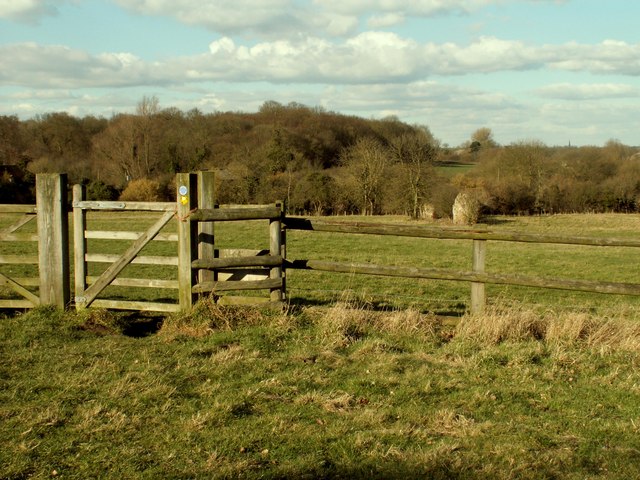
Gothic
Surviving Chapel
Tiltey
John Palmer
Dissolution of the Monasteries
About Tilty Abbey
Tilty Abbey was a significant Cistercian monastery situated in Tilty, Essex, England. While the exact founding date is not specified, its surviving chapel, featuring a nave built around 1220, indicates its establishment in the early 13th century. The abbey was a prominent religious institution until its dissolution on March 3, 1536, during the reign of King Henry VIII.
Dissolution and Survival
The dissolution of Tilty Abbey was documented with an order taken on March 3, 27 Henry VIII, involving the late abbot, John Palmer, and his brethren. An inventory of the abbey's goods and chattels was also compiled on this date. Following the dissolution, the abbot and five brethren were initially allowed to remain at the abbey, with provisions made for their upkeep and the support of certain individuals.
Legacy
Remarkably, the chapel of Tilty Abbey has survived the centuries and now serves as a parish church. Although it has undergone later alterations and extensions, its early 13th-century nave stands as a testament to the abbey's historical presence. The rest of the abbey complex is understood to be in ruins. The inventory from the dissolution provides a detailed glimpse into the material wealth and daily life of the monastery in the early 16th century, listing various vestments, furnishings, and provisions.
Source: Wikipedia ↗
Frequently Asked Questions
When was Tilty Abbey dissolved?
Tilty Abbey was dissolved on March 3, 1536. This event occurred during the reign of King Henry VIII as part of the wider Dissolution of the Monasteries.
What remains of Tilty Abbey today?
The chapel of Tilty Abbey, which features a nave constructed around 1220, has survived. It has undergone later alterations and extensions and now serves as a parish church.
What was the religious order of Tilty Abbey?
Tilty Abbey belonged to the Cistercian order. The Cistercians were known for their austere lifestyle and focus on manual labor and prayer.
What happened to the abbot and monks after the dissolution?
Following the dissolution, the late abbot, John Palmer, and his five brethren were permitted to remain in the abbey until the King's further pleasure was known. The abbot was also given funds to support himself and specific individuals.
Related Monasteries
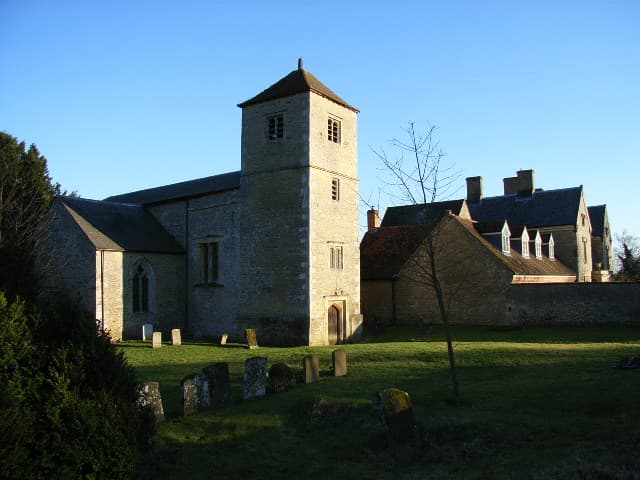
Chetwode Priory
Chetwode Priory was an Augustinian priory founded in 1244 by Sir Ralphe de Norwich in the village of Chetwode, Buckinghamshire. Due to poverty, it was dissolved in 1460 and annexed to Notley Abbey, with its former church becoming the parish church of Saint Mary and Saint Nicholas. The priory's former church is noted for its 13th-century stonework, including sedilia and windows with ancient stained glass.

Foigny Abbey
Foigny Abbey was a significant Cistercian monastery founded in 1121 in the Aisne department of France. At its peak, it housed 100 monks and 200 lay brothers, playing a vital role in the economic development of the Thiérache region through land reclamation and mill establishment. Although it suffered destruction by fire and suppression during the French Revolution, parts of its structures, including a 12th-century mill, remain.

Hogevank Monastery
Hogevank Monastery, also known as Karmir vank or Dzoragyughi vank, is a medieval monastic complex located near the village of Sarnaghbyur in Armenia's Shirak Province. Its main building, Saint Karapet Church, was completed in 1205, though initially named Saint Stepanos. The monastery features unique architectural elements and contains historical artifacts from earlier centuries.