
Tarrant Abbey
Tarrant Abbey was a Cistercian nunnery located in Tarrant Crawford, Dorset, England. Initially founded as an independent monastery in 1186, it was re-established as a Cistercian nunnery in the early 13th century and became one of the wealthiest in England. Today, only the former lay church, St Mary the Virgin, remains of the abbey, which is a Grade I listed building and a Scheduled monument.
Key Facts
- ›Founded as an independent monastery in 1186 by Ralph de Kahaines.
- ›Re-founded as a Cistercian nunnery in either 1228 or 1233.
- ›Supposedly became the richest Cistercian nunnery in England.
- ›Queen Joan, wife of Alexander II of Scotland, is buried in its graveyard.
- ›Bishop Richard Poore, builder of Salisbury Cathedral, was baptized and buried there.
- ›The only remaining structure is the church of St Mary the Virgin.
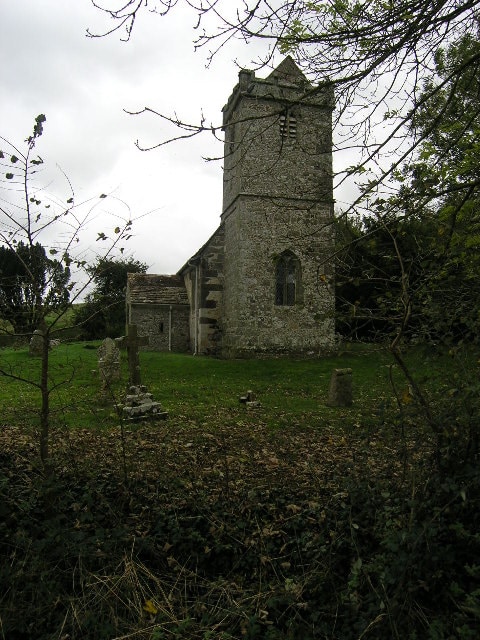
Medieval
Church of St Mary the Virgin, Graveyard
Queen Joan, Bishop Richard Poore, Ralph De Kahaines
- Re-Foundation As A Cistercian Nunnery In 1228 Or 1233
- Surrender To Henry Viii In March 1539
About Tarrant Abbey
Tarrant Abbey was a significant Cistercian nunnery situated in Tarrant Crawford, Dorset, England. Its history began in 1186 when it was established as an independent monastery by Ralph de Kahaines. The abbey underwent a significant re-foundation in either 1228 or 1233, transitioning into a Cistercian nunnery. Following this re-establishment, it gained a reputation for being the wealthiest Cistercian nunnery in England.
Historical Context and Notable Figures
The abbey is associated with several prominent historical figures. Queen Joan, the wife of Alexander II of Scotland and daughter of King John of England, is interred in its graveyard, with tradition suggesting she was buried in a golden coffin. Another key figure is Bishop Richard Poore, the architect of Salisbury Cathedral, who was baptized within the abbey church and later, in 1237, was buried there, recognized as its second founder.
Surviving Structures and Legacy
Little of Tarrant Abbey remains today. The church of St Mary the Virgin, which served as the lay church for the abbey and was constructed in the 12th century, is the sole surviving building. This structure has been designated a Grade I listed building and is now maintained by the Churches Conservation Trust. The broader site of Tarrant Abbey is recognized as a Scheduled monument, with most of its former structures existing as buried remains, preserving the memory of its former grandeur and importance.
Source: Wikipedia ↗
Frequently Asked Questions
When was Tarrant Abbey founded?
Tarrant Abbey was initially founded as an independent monastery in 1186. It was later re-founded as a Cistercian nunnery in either 1228 or 1233.
Who is buried at Tarrant Abbey?
Two notable figures are associated with burials at Tarrant Abbey. Queen Joan, wife of Alexander II of Scotland, is buried in the graveyard, reportedly in a golden coffin. Bishop Richard Poore, the builder of Salisbury Cathedral, was also buried there in 1237.
What remains of Tarrant Abbey today?
The only surviving structure of Tarrant Abbey is the church of St Mary the Virgin, which served as the abbey's lay church. The abbey site itself is now a Scheduled monument, containing mostly buried remains.
What was the significance of Tarrant Abbey?
Tarrant Abbey was a significant Cistercian nunnery, becoming reputedly the wealthiest in England after its re-foundation. It was also a place of burial and baptism for notable figures such as Queen Joan and Bishop Richard Poore.
Related Monasteries

Ankerwycke Priory
Ankerwycke Priory was a small and relatively poor Benedictine nunnery established around 1160 in Buckinghamshire, England. Dedicated to St. Mary Magdalene, it held lands across several counties. Dissolved in 1536, its revenues were transferred to Bisham Abbey, and the priory site later saw the construction of a manor house. Today, only a small section of ruins remains, situated in Berkshire.
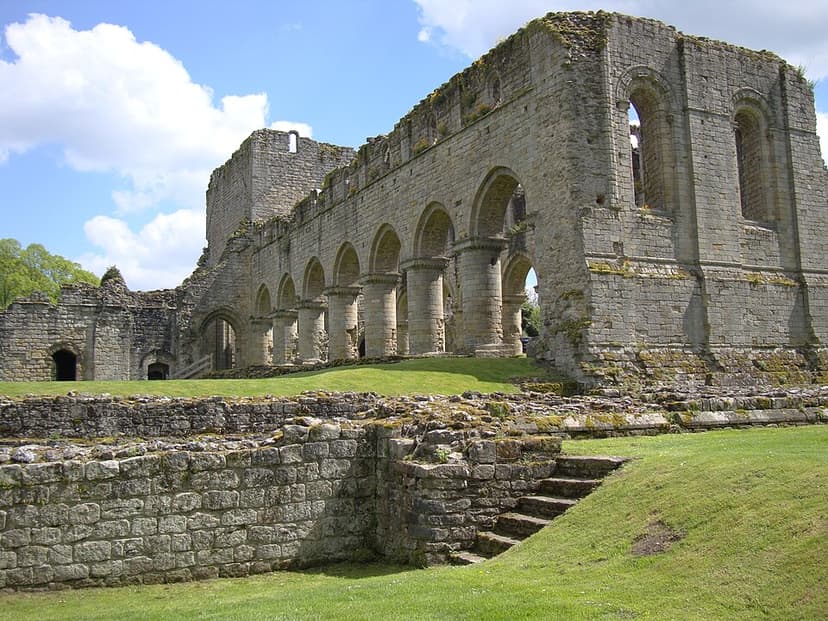
Buildwas Abbey
Buildwas Abbey was a significant Cistercian monastery in Shropshire, England, founded in 1135. It experienced periods of substantial growth and wealth, becoming a center of learning with a notable library. Despite facing challenges from economic crises and conflict, it played a role in royal administration, particularly concerning Ireland and Wales, before its suppression in 1536. Today, substantial remains of the abbey church and monastic buildings are maintained by English Heritage.

Byland Abbey
Byland Abbey was a Savigniac and later Cistercian monastic institution founded in 1135 in North Yorkshire, England. Despite an unstable early history with multiple relocations, it eventually settled at its final site near Coxwold. Once established, it became a significant religious and economic center, renowned for its sheep rearing and wool exports, and boasting a church described as one of the finest 12th-century structures in Europe. Though dissolved in 1538, extensive ruins remain, including the west front of the church with its notable rose window, and the site is maintained by English Heritage.