
Syon Abbey
Bridgettine·England·Closed and sold·15th century
Syon Abbey was a wealthy Bridgettine dual monastery for men and women, founded in 1415 by King Henry V near Isleworth, Middlesex. Named after the biblical Mount Zion, it was the wealthiest religious house in England at the time of its dissolution in the 16th century. Despite its dissolution, the community survived unbroken and eventually returned to England, though the abbey itself was sold and closed in 2011.
Key Facts
- ›Founded in 1415 by King Henry V of England.
- ›Was the wealthiest religious house in England at the time of its dissolution.
- ›Unique dual monastery, housing both monks and nuns under an abbess.
- ›Maintained a substantial library with separate collections for monks and nuns.
- ›The Bridgettine community survived the Reformation unbroken and eventually returned to England.
- ›The abbey was sold and closed in 2011.
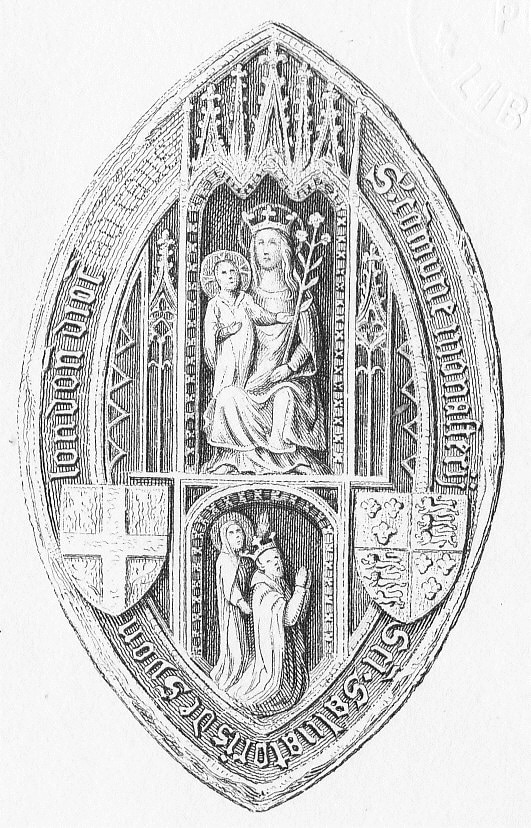
Substantial Library, Dual Monastery Structure, the Arundel Manuscript
- Syon
- the Monastery of St Saviour and St Bridget of Syon, of the Order of St Augustine
King Henry V, Richard Clifford, Richard Reynolds, Sir Thomas More, Elizabeth Barton, Thomas Cromwell, William Peyto, Katherine Howard, Abbess Agnes Jordan, Abbess Katherine Palmer
Founding By King Henry V, Relocation To A New Site In Isleworth Parish, Dissolution Under Henry Viii, Brief Re-Establishment Under Queen Mary I, Final Exile To Lisbon, Portugal, Return To England, Closure and Sale of the Abbey
About Syon Abbey
Syon Abbey: A Bridgettine Foundation
Syon Abbey, also known simply as Syon, was a significant Bridgettine dual monastery established in 1415 by King Henry V of England. Situated on the northern bank of the River Thames in Isleworth, Middlesex, it was named after the biblical Mount Zion. At the time of its dissolution in the 16th century, Syon Abbey stood as the wealthiest religious house in England and was distinguished by its unique structure housing both monks and nuns under the governance of an abbess. The abbey maintained a substantial library and was a center for the copying and production of religious texts.
Foundation and Early History
The abbey was part of King Henry V's ambitious building project, "The King's Great Work," which also included the reconstruction of Sheen Palace. The first stone of Syon Abbey was laid by Henry V himself, and the founding charter was signed shortly thereafter. The initial site was in Twickenham parish, but the community later relocated to a more spacious location in Isleworth parish before 1431, a move facilitated by King Henry VI.
Bridgettine Order and Governance
The monastery was founded according to the regular institutes of the Bridgettine Order, inspired by St. Bridget of Sweden. This order was a modification of the Augustinian rule, with particular devotions to the Passion of Christ and the Virgin Mary. The full complement established by King Henry V consisted of 85 persons: an abbess, 59 nuns, a confessor general, 12 priests, 4 deacons, and 8 lay brethren, all housed in separate but connected habitations. The legal corporate entity was "The Abbess and Convent," with the abbess holding the position of overall presiding officer.
Dissolution and Survival
Following Henry VIII's break with Rome, Syon Abbey faced scrutiny and eventual dissolution in 1539. Despite internal divisions and the execution of the monk Richard Reynolds for opposing the King's supremacy, the nuns were largely persuaded to accept the King's new title. However, the Bridgettine community, unlike many others, did not disband. They exiled themselves to the Netherlands, and later to Portugal, maintaining their unbroken religious life. The abbey was briefly re-established under Queen Mary I before being re-dissolved under Queen Elizabeth I.
Return to England and Closure
In 1861, the community returned to England, settling in various locations before ultimately closing in 2011. Syon Abbey holds the distinction of being the only English monastery that survived the Reformation unbroken. While the abbey buildings are no longer operational as a monastic community, the legacy of its rich history and resilient order endures.
Source: Wikipedia ↗
Frequently Asked Questions
When was Syon Abbey founded?
Syon Abbey was founded on February 22, 1415, with the King's founding charter signed on March 3, 1415.
What was the religious order of Syon Abbey?
Syon Abbey belonged to the Bridgettine Order, also known as the Order of St. Bridget or the Order of Our Saviour, which was a modified rule of St. Augustine.
Why was Syon Abbey significant?
It was the wealthiest religious house in England at the time of its dissolution and was notable for being a dual monastery with both men and women, governed by an abbess.
What happened to Syon Abbey during the Reformation?
Syon Abbey was dissolved in 1539. However, the community exiled itself and survived unbroken, eventually returning to England centuries later.
Where was Syon Abbey located?
The abbey was initially founded on the northern bank of the River Thames in Isleworth parish, Middlesex, near the site of the present Syon House.
Is Syon Abbey still active?
No, Syon Abbey was sold and closed in 2011. The remaining elderly sisters now live in Plymouth.
Related Monasteries

Maribo Abbey
Maribo Abbey, established in 1416, was Denmark's first Bridgettine monastery and a significant religious institution during the late Middle Ages. Located in present-day Maribo on the island of Lolland, it operated as a double monastery for nuns and canons. Though dissolved during the Reformation, parts of its legacy endure, with the former abbey church now serving as Maribo Cathedral.

Ajdanovac Monastery
Ajdanovac Monastery is a Serbian Orthodox monastery situated in south-east Serbia on the slopes of Jastrebac. Its origins likely date to the period after the Ottoman invasion of the Balkans in 1485. After serving as a parish church, it was re-established as a monastery in 1936, following renovations in 1887.

Alexander-Svirsky Monastery
The Alexander-Svirsky Monastery, founded in 1487, is a significant Russian Orthodox monastery located in the Leningrad Oblast. It gained prominence in the 17th century and is known for its unique architectural features, including a preserved three-tented belfry and medieval clock tower. Despite periods of destruction and secularization, the monastery has undergone restoration and continues to be a site of religious and historical importance.