
Maribo Abbey
Bridgettine·Denmark·Ruins (monastery buildings) / Active (abbey church as cathedral)·15th century
Maribo Abbey, established in 1416, was Denmark's first Bridgettine monastery and a significant religious institution during the late Middle Ages. Located in present-day Maribo on the island of Lolland, it operated as a double monastery for nuns and canons. Though dissolved during the Reformation, parts of its legacy endure, with the former abbey church now serving as Maribo Cathedral.
Key Facts
- ›Founded in 1416 as the first Bridgettine monastery in Denmark.
- ›Operated as a double monastery, housing both nuns and canons.
- ›At its peak, it was one of Denmark's largest landowners, owning over 400 farms.
- ›Dissolved in 1536 during the Danish Reformation.
- ›The former abbey church remains in use today as Maribo Cathedral.
- ›A new Bridgettine community, Habitaculum Mariæ Abbey, was established in Maribo in 2006.

Gothic
Former Abbey Church, Now Maribo Cathedral, Gothic Architecture In Red Brick
Marienbo
Queen Margaret I, Eric of Pomerania, Lady Mette Marsvinsdatter, Lady Drude Pogvisk
- Establishment of the First Bridgettine Abbey In Denmark
- Receiving Papal Confirmation
- Dissolution During the Danish Reformation
- Reorganization As A House of Secular Canonesses
- Closure and Transfer of Property To Sorø Academy
- Former Abbey Church Becoming Maribo Cathedral
About Maribo Abbey
Maribo Abbey, established in 1416, holds the distinction of being the first Bridgettine monastery in Denmark and rose to prominence as one of the most significant abbeys of the late Middle Ages. Situated in the town of Maribo on the island of Lolland in southern Denmark, the original monastic complex is now largely in ruins. However, its former abbey church continues to serve an active religious role as Maribo Cathedral.
History and Significance
The foundation of Maribo Abbey was initiated in 1416 in Skimminge, later renamed Marienbo (modern Maribo), on land gifted by Queen Margaret I and supplemented by her heir, Eric of Pomerania. Monks from the Swedish mother house of the Bridgettine Order, Vadstena Abbey, were instrumental in establishing this daughter house. The new foundation received papal confirmation in 1418. The abbey church, constructed in Gothic style using red brick, was completed by 1470 and incorporated existing church structures. As a Bridgettine double monastery, it housed a community of 60 nuns, 13 canons, four deacons, and eight lay brothers, with separate conventual buildings for nuns and canons. At its zenith, Maribo Abbey was a major landowner, possessing several manors and over 400 farms.
Dissolution and Transformation
The advent of the Reformation in Denmark led to the dissolution of Maribo Abbey as a religious institution in 1536. While the nuns were permitted to remain until 1551, the government subsequently closed all religious houses. In 1556, the former abbey was repurposed into a Lutheran house of secular canonesses, intended for unmarried noblewomen. This phase was marked by internal criticisms and allegations of continued Catholic practices, as well as disorder among the residents. The abbey's parish church burned down in 1596, leading to the abbey church also serving as the town's parish church. The abbey was ultimately closed in 1621, with its buildings and estates transferred to Sorø Academy. Most structures were dismantled for building materials, leaving only the church standing.
Legacy
In 1803, with the creation of the Diocese of Lolland–Falster, the former Maribo Abbey church was consecrated as its cathedral. Despite its historical significance, the building had fallen into disrepair by the 19th century and underwent restoration in the 1860s, which included the construction of a new west tower. Today, Maribo Cathedral stands as a testament to the abbey's enduring presence. Furthermore, a new Bridgettine community, Habitaculum Mariæ Abbey, was established in Maribo in 2006, revitalizing the Bridgettine tradition in the town, though it is located separately from the original historical site.
Source: Wikipedia ↗
Frequently Asked Questions
When was Maribo Abbey founded?
Maribo Abbey was founded in 1416. It was established on a gift of land from Queen Margaret I and her heir, Eric of Pomerania, in the town of Skimminge, which was later renamed Marienbo (modern Maribo).
What was the structure of Maribo Abbey?
Maribo Abbey was a double monastery, meaning it housed both nuns and canons. The order's stipulation was for 60 nuns, 13 canons, four deacons, and eight lay brothers. The conventual buildings were divided into separate sections for nuns and canons.
What happened to Maribo Abbey after the Reformation?
Following Denmark's official adoption of Lutheranism in 1536, Maribo Abbey was dissolved as a religious institution. While the nuns were allowed to live out their lives there, the abbey was later reorganized in 1556 into a Lutheran house of secular canonesses for unmarried noblewomen. It was closed down in 1621.
What remains of Maribo Abbey today?
The majority of Maribo Abbey's buildings were torn down for materials after its closure in 1621. However, the abbey church survived and is still in use today as Maribo Cathedral, serving the Diocese of Lolland–Falster since 1803. The church underwent restoration in the 1860s.
Is there a Bridgettine community at Maribo today?
Yes, Maribo has a new women's Bridgettine community called Habitaculum Mariæ Abbey, established in 2006. This modern community is located in a different area of town than the historical original Bridgettine site, which is a protected area.
Related Monasteries
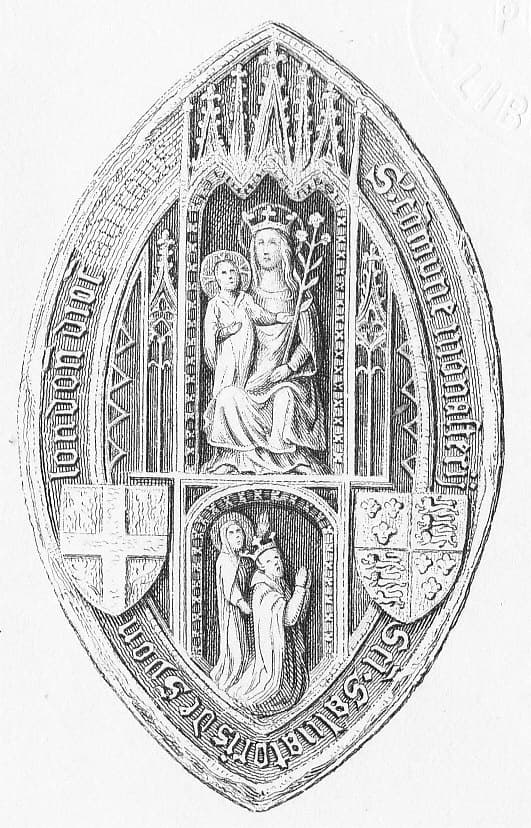
Syon Abbey
Syon Abbey was a wealthy Bridgettine dual monastery for men and women, founded in 1415 by King Henry V near Isleworth, Middlesex. Named after the biblical Mount Zion, it was the wealthiest religious house in England at the time of its dissolution in the 16th century. Despite its dissolution, the community survived unbroken and eventually returned to England, though the abbey itself was sold and closed in 2011.

Carmelite Priory, Helsingør
The Carmelite Priory in Helsingør, also known as Priory of Our Lady, was established in 1430 and stands as the most complete surviving example of a monastic complex in Denmark and one of the finest in Scandinavia. Founded by King Erik VII to support the growing port city, it served as the headquarters for the Carmelites in Scandinavia before its dissolution during the Reformation in 1536. The complex has since served various purposes, including a hospital and a grammar school, and underwent significant restoration, preserving its impressive frescoes and Baroque organ.

Franciscan Friary, Helsingør
Marienlyst Castle, originally a royal pavilion and pleasure palace in Helsingør, Denmark, has a history spanning from its 16th-century origins as part of Kronborg Castle to its 18th-century transformation into a baroque residence. Named after Queen Juliana Maria, it evolved through various royal and private ownerships before becoming a municipal museum. The site also holds remnants of a medieval Franciscan friary, though little remains of that structure today.