
Stanjevići Monastery
Stanjevići Monastery, located north of Budva in Montenegro, holds significant historical importance as the site where Montenegro's judicial administration and legal code were promulgated in 1798. Founded by Nikola Stanjević, it also served as a cultural center for the Paštrovići region.
Key Facts
- ›Founded by Nikola Stanjević.
- ›Site of the promulgation of Montenegro's legal code in 1798.
- ›Considered the cultural center of the PaštrovićI.
- ›Located north of the town of Budva, Montenegro.
- ›Associated with Vladika Petar I Petrović-Njegoš.
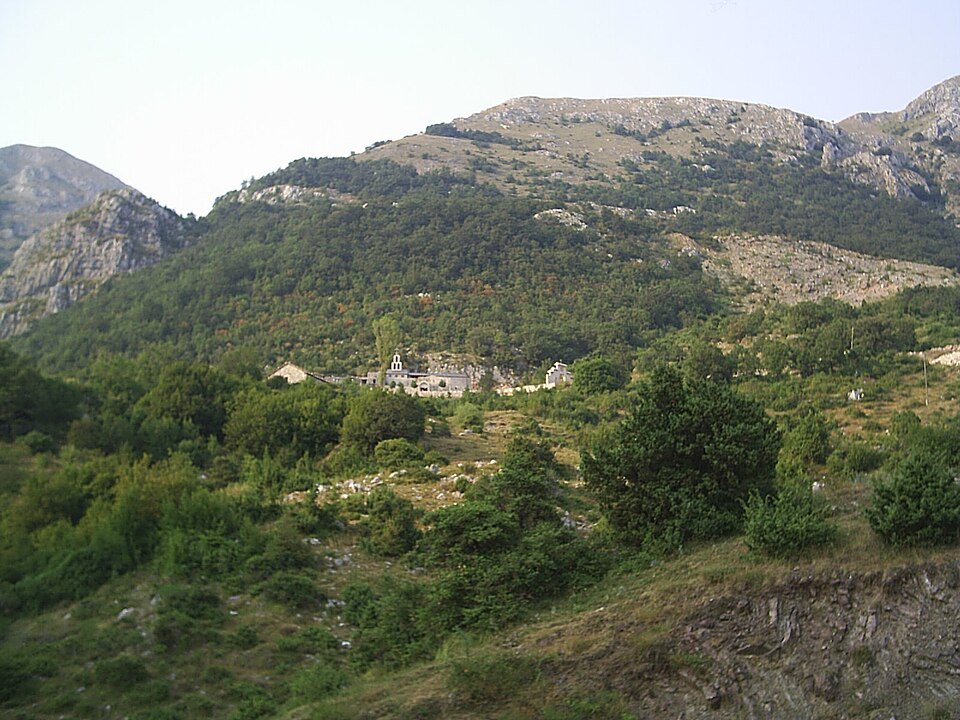
Site of Legal Code Promulgation, Cultural Center of PašTrovićI
Manastir StanjevićI
Nikola Stanjević, Petar I Petrović-Njegoš
- Promulgation and Enactment of the Judicial Administration and Legal Code For Montenegro and the Brda In 1798.
About Stanjevići Monastery
Stanjevići Monastery is a historical religious and cultural site located north of the town of Budva in Montenegro. The monastery is primarily remembered for its pivotal role in the political and legal development of the region.
Historical Significance
Founded by Nikola Stanjević, Stanjevići Monastery served as the venue for a crucial historical event in 1798. On this occasion, the praviteljstvo suda (judicial administration) and zakonik (legal code) for Montenegro and the Brda were officially promulgated and enacted. This significant legislative act was carried out by 50 members of the council, with the participation and oversight of Vladika Petar I Petrović-Njegoš. Beyond its administrative importance, the monastery is also recognized as the cultural center of the Paštrovići region, highlighting its broader influence.
Location and Context
The monastery's location north of Budva places it within a historically rich area of Montenegro. While specific details about its architectural style or founding century are not extensively documented in available records, its role in the promulgation of legal codes underscores its importance in the governance and cultural life of the region during that period.
Source: Wikipedia ↗
Frequently Asked Questions
Where is Stanjevići Monastery located?
Stanjevići Monastery is situated north of the town of Budva, in Montenegro. It is a significant historical and cultural site within the region.
What is the historical significance of Stanjevići Monastery?
The monastery is historically important as the location where the praviteljstvo suda (judicial administration) and zakonik (legal code) for Montenegro and the Brda were officially promulgated and enacted in 1798. This event was overseen by Vladika Petar I Petrović-Njegoš and 50 council members.
Who founded Stanjevići Monastery?
The monastery was founded by Nikola Stanjević. His establishment of the monastery contributed to its role in regional governance and culture.
What cultural role did Stanjevići Monastery play?
Stanjevići Monastery is recognized as the cultural center of the Paštrovići region. It served as a hub for cultural activities and historical developments in the area.
Related Monasteries
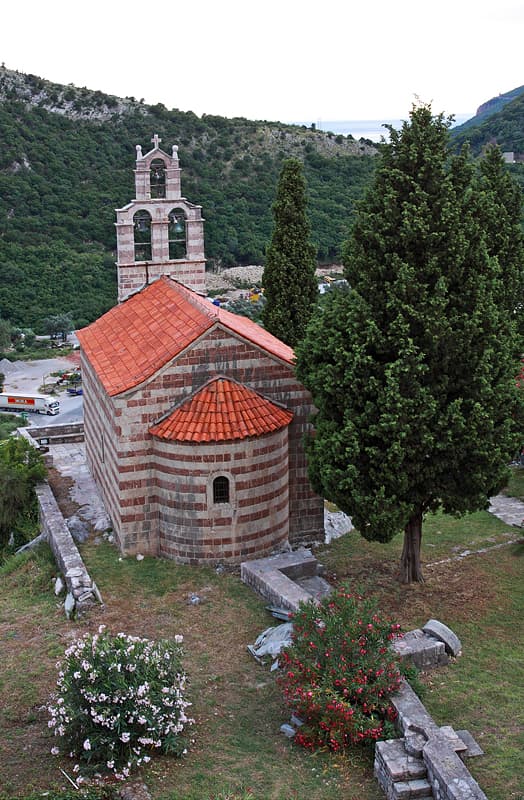
Gradište Monastery
Gradište Monastery, located in Buljarica, Montenegro, originated as a medieval inn of the old Serbian Empire and later became affiliated with Visoki Dečani Monastery. Founded in 1116, it comprises three churches and a dormitory, with its current structures dating from various periods, including the early 16th to mid-19th centuries. The monastery is noted for its historical frescoes and unique iconography.

Cetinje Monastery
Cetinje Monastery is a significant Serbian Orthodox monastery located in Cetinje, Montenegro, serving as the seat of the Metropolitanate of Montenegro and the Littoral. Founded around 1484 by Prince Ivan Crnojević, it was initially the cathedral monastery of the Eparchy of Zeta. Although devastated multiple times, notably in 1692, it was rebuilt and has remained a vital center of spiritual, cultural, and political life throughout Montenegro's history.
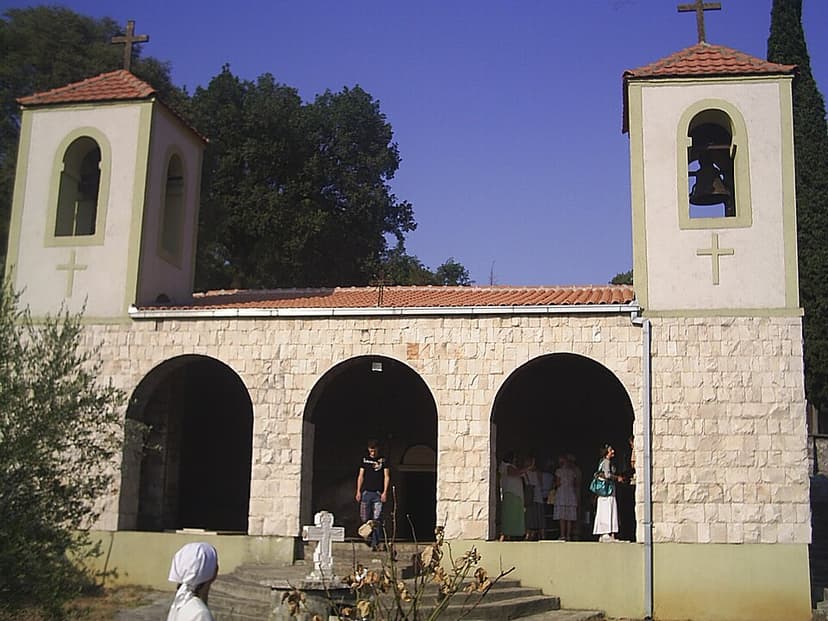
Dajbabe Monastery
The Dajbabe Monastery is a Serbian Orthodox monastery located in a cave on Dajbabe Hill near Podgorica, Montenegro. Founded in 1897 and dedicated to the Assumption of the Theotokos, it initially utilized the cave as a sanctuary before plans for expansion. A notable feature is its reliquary containing the relics of St. Simeon Dajbabe.