
St. Gregory's Abbey
St. Gregory's Abbey is an American monastic community of men living under the Rule of St. Benedict within the Episcopal Church. Founded in 1939 as St. Gregory's House in Indiana, the community relocated to Michigan in 1946 and became an independent abbey in 1969. The abbey's life is centered on prayer, work, and study, with monks gathering seven times daily for liturgy and Eucharist.
Key Facts
- ›Founded in 1939 as St. Gregory's House in Valparaiso, Indiana.
- ›Relocated to a farm near three Rivers, Michigan, in 1946.
- ›Became an independent abbey in 1969, with Benedict Reid as its first abbot.
- ›Monastic life follows the Rule of St. Benedict, emphasizing prayer, work, and study.
- ›Community members engage in landscaping, gardening, and grounds maintenance.

Abbey Church, Guesthouses, Cottage For Guests
St. Gregory's House
Rolland F. Severance, Trevor Bacon, Vivian A. Peterson, Campbell Gray, Benedict Reid, Andrew Marr
- Community Trained By Anglican Benedictines of Nashdom Abbey In England .
- Formation of St. Gregory's House In Valparaiso, Indiana .
- Monks Took Charge of Three Mission Churches In the Episcopal Diocese of Northern Indiana.
- Relocation To A Farm Near Three Rivers, Michigan .
- Cornerstone of the First Priory Building Laid .
- Became An Independent Abbey .
About St. Gregory's Abbey
St. Gregory's Abbey is an American monastic community of men adhering to the Rule of St. Benedict, situated within the Episcopal Church. The abbey is located near Three Rivers in St. Joseph County, Michigan.
History and Development
The origins of St. Gregory's Abbey trace back to 1935 when Rolland F. Severance and the Rev. Trevor Bacon joined a group of Episcopalians in England for training with the Anglican Benedictines of Nashdom Abbey. Severance, a professor at Nashotah House, and Bacon, with financial support for their studies, returned to the United States. They became life-professed monks, taking the names Dom Paul and Dom Francis, respectively.
In 1939, they established St. Gregory's House in Valparaiso, Indiana. Initially, the monks supported themselves by ministering to three mission churches in the Episcopal Diocese of Northern Indiana. The community also published a newsletter titled "Benedicite."
Following advice from the Abbot of Nashdom Abbey in 1946, the monks moved to a farm near Three Rivers, Michigan, to concentrate more fully on monastic life. Under the leadership of Dom Paul Severance, the community grew significantly. The cornerstone for the first priory building, the chapel, was laid on October 20, 1950.
For three decades, St. Gregory's Abbey operated as a dependency of Nashdom Abbey. In 1969, it achieved independence, electing its prior, Benedict Reid, as the first abbot. Andrew Marr succeeded him as abbot in 1989.
Monastic Life and Practices
The Abbey Church serves as the focal point of the monastery's life. The monks engage in communal prayer seven times daily, participating in the liturgy of the hours and the Eucharist. The Benedictine rhythm of work, study, and prayer forms the core of their daily existence, with prayer holding paramount importance. The conventual Eucharist is celebrated daily.
Historically, the monastery observed the Tridentine Mass in Latin. Currently, Mass is celebrated using the 1979 Book of Common Prayer, with the celebrant facing the congregation. The monks are responsible for all monastery housework, including extensive outdoor tasks such as landscaping, gardening, and grounds maintenance.
Monastic activities also encompass teaching, responding to correspondence, preparing sermons and retreats, and undertaking special ministries. Community members occasionally provide ministry in parish churches and other religious houses, and retreats are conducted at the abbey. St. Gregory's Abbey offers two guesthouses and a cottage for visitors, accommodating stays from two days to one week. The balance between external activities and preserving the Benedictine way of life is carefully managed.
Source: Wikipedia ↗
Frequently Asked Questions
When was St. Gregory's Abbey founded?
St. Gregory's Abbey began in 1939 as St. Gregory's House in Valparaiso, Indiana. The community later moved to Michigan in 1946, and it became an independent abbey in 1969.
What is the religious tradition of St. Gregory's Abbey?
St. Gregory's Abbey is a monastic community of men living under the Rule of St. Benedict within the Episcopal Church.
Where is St. Gregory's Abbey located?
The abbey is located near Three Rivers in St. Joseph County, Michigan.
What are the daily activities at St. Gregory's Abbey?
The center of the monastery's life is the Abbey Church, where monks gather seven times a day for the liturgy of the hours and Eucharist. Work, study, and prayer are the main activities, with prayer being the most important.
Does St. Gregory's Abbey offer guest accommodations?
Yes, the abbey has two guesthouses and a cottage available for guest stays ranging from two days to one week.
Related Monasteries
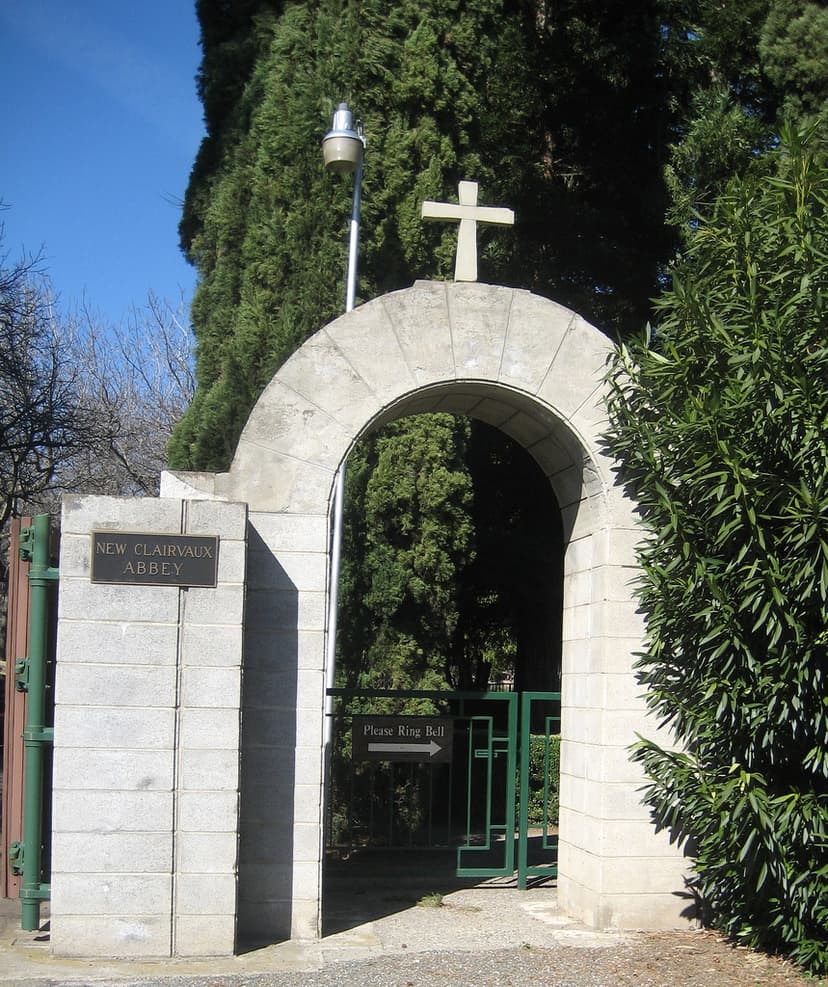
Abbey of New Clairvaux
The Abbey of New Clairvaux is a rural Trappist monastery established in 1955 by monks seeking a California foundation. Known for its austere contemplative life and the reconstruction of an 800-year-old Spanish chapter house, the abbey also cultivates prunes, walnuts, and grapes, and produces wine and Trappist-style beers. The community is part of the Cistercians of the Strict Observance.
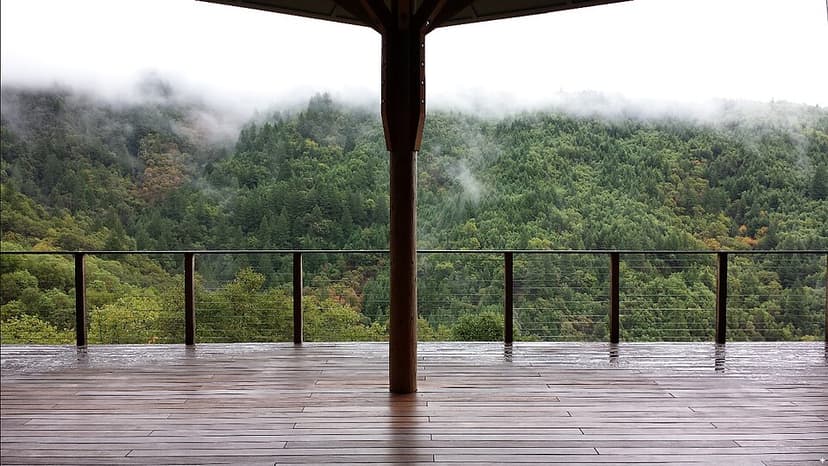
Abhayagiri Buddhist Monastery
Abhayagiri Buddhist Monastery is a Theravada Buddhist monastery located in Redwood Valley, California, belonging to the Thai Forest Tradition. Founded in the 1980s, its primary focus is teaching Buddhist ethics and meditation as a path to ending suffering. The monastery, meaning 'fearless mountain,' has grown to encompass 280 acres of mountainous forest land and has developed significant infrastructure, including monastic huts, a Dhamma Hall, and a reception hall.
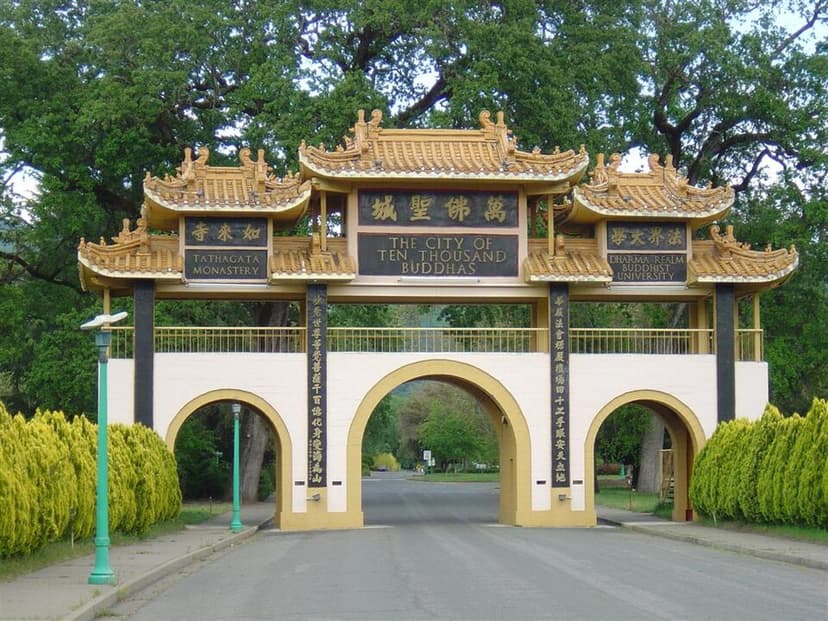
City of Ten Thousand Buddhas
The City of Ten Thousand Buddhas is a significant international Buddhist community and monastery in Talmage, California, founded by the influential figure Hsuan Hua. It was established as one of the first Chan Buddhist temples in the United States and is recognized for its strict adherence to traditional Buddhist monastic codes, including the vinaya. The community encompasses educational institutions, residential facilities, and an organic farm, serving as a major center for propagating Buddhist teachings in the Western Hemisphere.