
Spituk
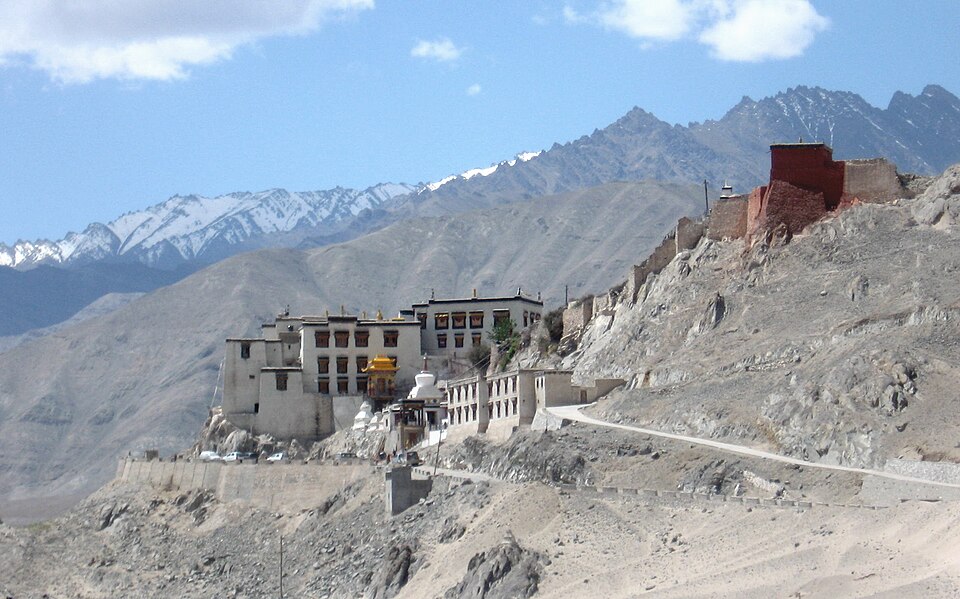
Spituk Monastery, also known as Spituk Gompa, is a significant Buddhist monastery located in Spituk, Ladakh, near Leh. Founded in the 11th century by Od-de, it was named 'exemplary' by Rinchen Zangpo due to its anticipated religious community. Initially a Red Hat institution, it transitioned to the Gelugpa (Yellow Hat) sect in the 15th century and is currently home to 100 monks.
Key Facts
- ›Founded in the 11th century by Od-de, brother of Lha Lama Changchub Od.
- ›Named 'Spituk' (exemplary) by Lotsewa Rinchen Zangpo.
- ›Home to approximately 100 monks.
- ›Features a giant statue of Kali, unveiled during the annual festival.
- ›Hosts the annual Gustor Festival from the 27th to 29th day of the eleventh Tibetan month.
Giant Statue of Kali, Site Blessed By Arhat Nyimagung
Spituk Gompa, Pethup Gompa
Arhat Nyimagung, Od-De, Lha Lama Changchub Od, Lotsewa Rinchen Zangpo, Dharma Raja Gragspa Bum-Ide, Lama Lhawang Lodos, Tsonkhapa
- Founded By Od-De In the 11th Century.
- Renamed 'Spituk' By Rinchen Zangpo.
- Restored By Lama Lhawang Lodos During the Time of Dharma Raja Gragspa Bum-Ide.
- Transitioned To Gelugpa Sect In the 15th Century.
About Spituk
Spituk Monastery
Spituk Monastery, also widely known as Spituk Gompa or Pethup Gompa, is a prominent Buddhist monastery situated in Spituk, within the Leh district of Ladakh, India. Located approximately 8 kilometers from the town of Leh, the monastery holds historical and spiritual significance for the region. The site's auspicious beginnings are attributed to a blessing from the Arhat Nyimagung.
Founding and Development
The monastery was established in the 11th century by Od-de, who was the elder brother of Lha Lama Changchub Od. Od-de's arrival in Maryul marked the introduction of a monastic community to the area. The name 'Spituk' itself, meaning 'exemplary,' was bestowed upon the monastery by the renowned translator Lotsewa Rinchen Zangpo, who foresaw the emergence of an exemplary religious community at this location. Later, during the tenure of Dharma raja Gragspa Bum-Ide, the monastery underwent restoration by Lama Lhawang Lodos. It was at this time that the order of Tsonkhapa was introduced, a tradition that has been maintained by the monastery to the present day. Initially founded as a Red Hat institution, Spituk Monastery transitioned to the Gelugpa (Yellow Hat sect) in the 15th century.
Community and Festivals
Currently, Spituk Monastery is home to a community of about 100 monks. A notable feature of the monastery is a giant statue of Kali, which is unveiled during the annual festival. This annual celebration, known as the Gustor Festival, is a significant event held at Spituk from the 27th to the 29th day of the eleventh month according to the Tibetan calendar. The monastery's location at an average elevation of 3,307 meters (10,852 feet) contributes to its dramatic setting in the Ladakhi landscape.
Source: Wikipedia ↗
Frequently Asked Questions
When was Spituk Monastery founded?
Spituk Monastery was founded in the 11th century by Od-de, who was the elder brother of Lha Lama Changchub Od. The site itself was blessed by the Arhat Nyimagung.
What is the meaning of the name 'Spituk'?
The monastery is called 'Spituk' because when the translator Rinchen Zangpo visited, he predicted that an exemplary religious community would arise there. The name translates to 'exemplary'.
How many monks live at Spituk Monastery?
Spituk Monastery is home to approximately 100 monks. These monks are part of the Gelugpa (Yellow Hat) sect, which the monastery adopted in the 15th century.
What is the annual festival held at Spituk Monastery?
The annual Gustor Festival is held at Spituk Monastery. It takes place from the 27th to the 29th day of the eleventh month of the Tibetan calendar.
What significant statue is housed at Spituk Monastery?
Spituk Monastery houses a giant statue of Kali. This statue was unveiled during the monastery's annual festival.
Related Monasteries

Hemis
Hemis Monastery is a significant Himalayan Buddhist monastery belonging to the Drukpa Lineage, situated in Ladakh, India. Re-established in 1672 by King Sengge Namgyal, it is renowned for its annual Hemis festival, a major celebration honoring Padmasambhava. The monastery also holds historical interest due to claims by Nicolas Notovitch of discovering a manuscript about Jesus's life within its library, a claim widely disputed by historians.

Kardang
Kardang Monastery, a prominent Drukpa Lineage monastery, holds significant importance in India's Lahaul valley, having once been the administrative capital of the region. This large, white, prayer-flag-adorned structure sits on a ridge overlooking the Bhaga River and the town of Keylong. Rebuilt and renovated multiple times, it houses a rich library of Buddhist scriptures, thankas, musical instruments, and ancient weapons, alongside vibrant frescoes and murals.

Key Monastery
Key Monastery is a prominent Tibetan Buddhist monastery of the Gelugpa sect, perched atop a hill in the Spiti Valley of Himachal Pradesh, India. As the largest monastery in the region, it serves as a vital religious training center for lamas and houses a significant collection of ancient murals and books. Despite enduring numerous historical plunders and natural disasters, the monastery has been repeatedly rebuilt and remains an active spiritual hub.