
Spinney Abbey
Christian·England·Farm and private residence·13th century
Spinney Abbey, originally known as Spinney Priory, is a historic site in Cambridgeshire, England, that began as an Augustinian priory founded between 1216 and 1228. It later became Benedictine and endured until its dissolution in 1536. Since then, it has served as a private residence and farm, with notable past owners including Henry Cromwell, son of Oliver Cromwell, and the Fuller family, who have farmed the land since the late 19th century and continue to operate it as a working farm today.
Key Facts
- ›Founded between 1216 and 1228 by Beatrice, granddaughter of Wimar, Steward of the Count of Brittany.
- ›Initially housed three Augustinian canons, later expanding to seven.
- ›Absorbed into Ely Cathedral Priory in 1449 and became Benedictine.
- ›Dissolved in 1536 during Henry VIII's Dissolution of the Monasteries.
- ›Current buildings include a house built in 1775, incorporating older priory elements, and 'Old Golding's Barn'.
- ›Still a working farm, known for traditional breeds and award-winning cider production.
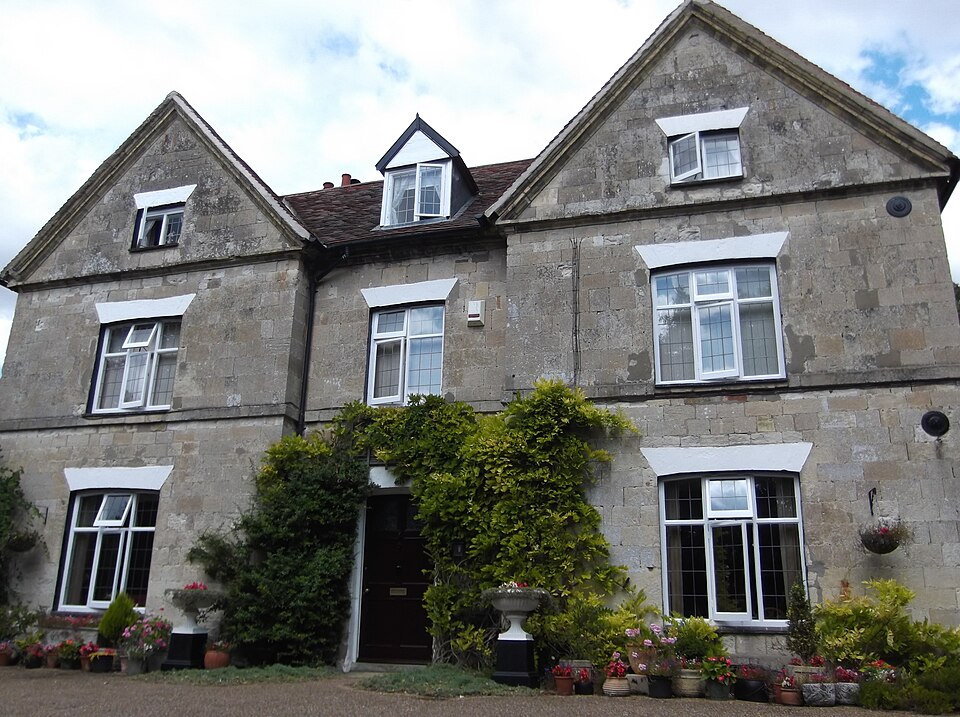
Medieval, Georgian
- Remnants of the Original Priory Cellar
- Old Priory Doors Incorporated Into Newer Buildings
- Old Golding's Barn
- Award-Winning Cider Production
Spinney Priory
Beatrice, William De Lode, Isaac Barrow, Henry Cromwell, Thomas Fuller, Robert Chambers Golding, Chambers Waddelow Golding
Founding of the Priory, Murder of Prior William De Lode, Absorption Into Ely Cathedral Priory, Dissolution of the Monasteries, Henry Cromwell's Ownership, Construction of the New House, Thomas Fuller Bringing His Family To Farm, Launch of Award-Winning Cider
About Spinney Abbey
Spinney Abbey, originally established as Spinney Priory, is a historic site located near Wicken in Cambridgeshire, England, situated on the edge of the fens. Its origins trace back to between 1216 and 1228, when Beatrice, granddaughter of Wimar, Steward of the Count of Brittany, founded the Priory of St Mary and the Holy Cross. This foundation initially housed three canons of the Augustinian order and was endowed with land and fishing rights, marking an early connection to the area now known as Wicken Fen.
Monastic Life and Transformation
The priory saw expansion in 1301 with additional land granted by Mary de Bassingbourne, though this came with the difficult obligation of feeding 3000 poor people annually. The priory's history was marked by a violent event in 1403 when Prior William de Lode was murdered by three of his own canons within the priory church, an incident that has fueled local ghost stories. Over the centuries, Spinney Priory faced declines, particularly with the Black Death and subsequent social changes. In 1449, it was absorbed into the cathedral priory of Ely, transitioning from Augustinian to Benedictine governance. The priory continued until 1536 when it was dissolved under Henry VIII's Dissolution of the Monasteries.
Post-Dissolution and Modern Era
Following its dissolution, Spinney Abbey became private property. It was owned by various individuals, including Sir Edward Peyton. As a child, the theologian and mathematician Isaac Barrow lived at Spinney Priory for two years around 1634. Perhaps its most notable resident was Henry Cromwell, son of Oliver Cromwell, who lived there from 1659 until his death in 1673, reportedly receiving a visit from King Charles II. The current house was constructed in 1775, incorporating older elements of the priory, such as its cellar. The farm has historically faced challenges with flooding. The Fuller family has been farming in the adjacent area since at least 1695, with Thomas Fuller bringing his family to farm at Spinney Abbey in 1892. The freehold has remained with the family since 1918, and it continues today as a working farm raising traditional breeds and producing award-winning cider, notably 'Monk & Disorderly'.
Source: Wikipedia ↗
Frequently Asked Questions
When was Spinney Abbey founded?
Spinney Priory, as it was originally known, was founded between 1216 and 1228. The exact year is not precisely recorded, but this period marks its establishment by Beatrice.
What religious order was originally at Spinney Abbey?
Spinney Priory was initially founded for three canons of the Augustinian order. After its absorption into Ely Cathedral Priory in 1449, it became a Benedictine monastery.
Who were some notable past residents of Spinney Abbey?
Notable past residents include the theologian and mathematician Isaac Barrow, who lived there as a child, and Henry Cromwell, son of Oliver Cromwell, who resided there after his retirement from public life in Ireland.
Is Spinney Abbey still a functioning monastery?
No, Spinney Abbey is no longer an active monastery. It was dissolved in 1536 and has since been used as a private property, farm, and residence.
What is Spinney Abbey known for today?
Today, Spinney Abbey is a working farm that has gained recognition for its award-winning cider, particularly its 'Monk & Disorderly' brand. The farm also raises traditional breeds like English Longhorn cattle and Gloucester Old Spots pigs.
Are there any ghost stories associated with Spinney Abbey?
Yes, local folklore includes ghost stories stemming from the murder of the Prior, William de Lode, in 1403 by three of his own canons. Tales persist of monks chanting at night and ghosts being seen.
Related Monasteries
Ashridge Priory
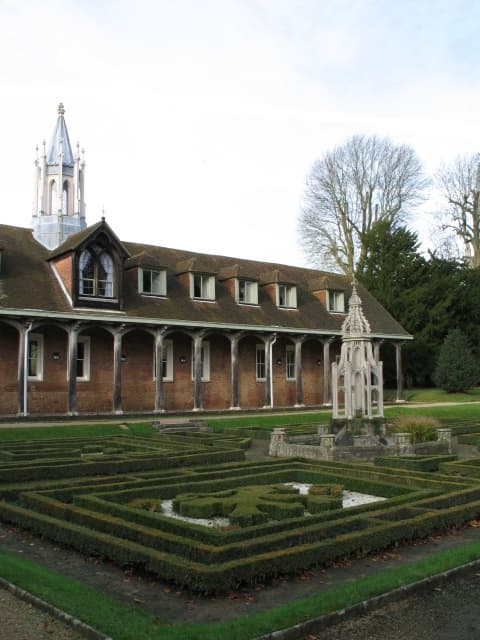
Ashridge Priory was a medieval college of Austin canons, established in 1283 by Edmund of Almain. It was known as the "Brothers of Penitence" or the "Boni Homines" and gained wealth through donations, particularly a phial of Christ's blood. After its dissolution, it served as a royal residence and later became a private estate before being demolished.

Beeston Regis Priory
Beeston Regis Priory was an Augustinian priory founded in 1216 by Lady Isabel de Cressey. Dissolved in 1538, its remains, particularly the priory church nave and transept, are a Grade I listed ruin. The priory's suppression is believed to have influenced the founding of Gresham's School, and its cloister garden is now part of Priory Farm.

Beverley Blackfriars
Beverley Blackfriars, also known as The Old Friary, originated as a Dominican priory established around 1240. Despite a devastating fire in 1449 and its dissolution in 1539, parts of the priory, particularly the guesthouse, survived. After centuries of varied private ownership and near demolition, significant preservation efforts led to its current status as a Grade II* listed building, housing a youth hostel since 1984.