
Ashridge Priory
Ashridge Priory was a medieval college of Austin canons, established in 1283 by Edmund of Almain. It was known as the "Brothers of Penitence" or the "Boni Homines" and gained wealth through donations, particularly a phial of Christ's blood. After its dissolution, it served as a royal residence and later became a private estate before being demolished.
Key Facts
- ›Founded in 1283 by Edmund of Almain.
- ›Belonged to a religious order known as the "Brothers of Penitence" or "Boni Homines".
- ›Received a relic of a phial of Christ's blood, attracting pilgrims.
- ›Hosted a parliament during King Edward I's reign.
- ›Became a private residence for Princess Elizabeth before her arrest.
- ›Demolished in the 1760s by the Duke of Bridgewater.
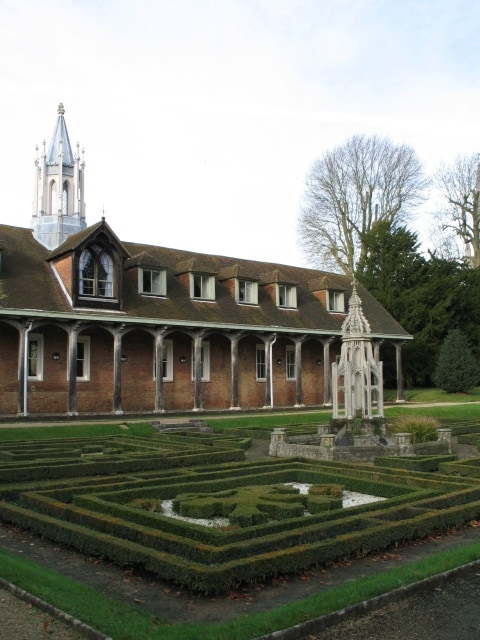
Phial of Christ's Blood, Wall Paintings
Brothers of Penitence, Boni Homines
Edmund of Almain, Richard, Earl of Cornwall, King Edward I, the Black Prince, William Edington, Thomas Waterhouse, King Henry Viii, Prince Edward, Princess Mary, Princess Elizabeth, Sir Thomas Egerton, Duke of Bridgewater, Raymond Vi, Count of Toulouse
- Foundation of the Priory
- Donation of A Phial of Christ's Blood
- King Edward I Held Parliament At the Abbey
- Interest From the Black Prince Around the Time of the Black Death
- Establishment of A Second House At Edington, Wiltshire
- Surrender To Henry Viii
- Used As A Royal Residence
- Princess Elizabeth's Arrest
- Acquisition By Sir Thomas Egerton
- Demolition of Buildings By the Duke of Bridgewater
About Ashridge Priory
Ashridge Priory was a significant medieval religious institution in England, founded in 1283 by Edmund of Almain. It operated as a college for Austin canons, who were known by the distinct names "Brothers of Penitence" or "Boni Homines." The priory's early history was marked by the acquisition of a phial of Christ's blood, a relic that attracted numerous pilgrims and significantly contributed to the institution's wealth and prominence.
History and Significance
The priory's foundation was a notable event, establishing a religious community that was described by the sixteenth-century historian Polydore Vergil as a "new order not before seen in England." The presence of the relic of Christ's blood drew visitors from across Europe, fostering donations that enriched Ashridge. Its historical importance is further underscored by visits from royalty; King Edward I held parliament at the abbey, and the Black Prince showed interest in the college around the time of the Black Death. A second house of the Order was later established at Edington, Wiltshire, on the prince's suggestion.
Royal Residence and Demise
Following the Dissolution of the Monasteries, Ashridge Priory ceased its religious functions and was surrendered to the Crown. King Henry VIII utilized the priory to house his children, including Prince Edward and the Princesses Mary and Elizabeth. It was at Ashridge that Princess Elizabeth was arrested in February 1554, under suspicion of treason during Wyatt's rebellion, before being taken to the Tower of London. The property was later acquired by Sir Thomas Egerton in 1604 and eventually passed down to the Duke of Bridgewater, who was responsible for demolishing the old monastic buildings in the 1760s.
Historical Speculation
There has been historical speculation regarding a potential connection between the "Boni Homines" order at Ashridge and the Albigensian heresy of southern France, whose adherents also used the name "bonhommes." This theory is partly based on Edmund's mother having been married by proxy to Raymond VI, Count of Toulouse, a known protector of the heretical sect. Descriptions of wall paintings, now lost, that were in the college cloisters and in a nearby cottage at Piccotts End, have been interpreted as potentially favoring the Albigensians.
Source: Wikipedia ↗
Frequently Asked Questions
When was Ashridge Priory founded?
Ashridge Priory was founded in 1283. It was established by Edmund of Almain, who was the son of Richard, Earl of Cornwall.
What religious order was Ashridge Priory part of?
Ashridge Priory was home to a college of Austin canons. They were known variously as the "Brothers of Penitence" or the "Boni Homines", described as a new order not previously seen in England.
What was significant about the relics at Ashridge Priory?
At its foundation, Edmund of Almain donated a phial of Christ's blood to the priory. This relic attracted pilgrims from across Europe, contributing to the abbey's wealth.
What happened to Ashridge Priory after its religious use ended?
Following the Dissolution of the Monasteries, the priory was surrendered to the Crown. King Henry VIII used it to house his children, and it later became the private residence of Princess Elizabeth. It was eventually acquired by Sir Thomas Egerton and later passed to the Duke of Bridgewater, who demolished the buildings.
Is there any connection between Ashridge Priory and the Albigensian heresy?
There has been speculation about a connection to the Albigensian heresy due to the "Boni Homines" name, which was also used by the perfecti of that sect. Edmund's mother had ties to a protector of the Albigensians, and some historical descriptions of wall paintings at Ashridge and a nearby cottage were noted as potentially favoring the Albigensians.
Related Monasteries

Beeston Regis Priory
Beeston Regis Priory was an Augustinian priory founded in 1216 by Lady Isabel de Cressey. Dissolved in 1538, its remains, particularly the priory church nave and transept, are a Grade I listed ruin. The priory's suppression is believed to have influenced the founding of Gresham's School, and its cloister garden is now part of Priory Farm.

Cornworthy Priory
Cornworthy Priory was an Augustinian nunnery established in the early 13th century in Devon, England. It operated until its dissolution in 1536. Following its closure, the priory's lands were acquired by the Harris family, who resided there for over a century, with the notable poet Anne, Lady Southwell, being born within its walls.
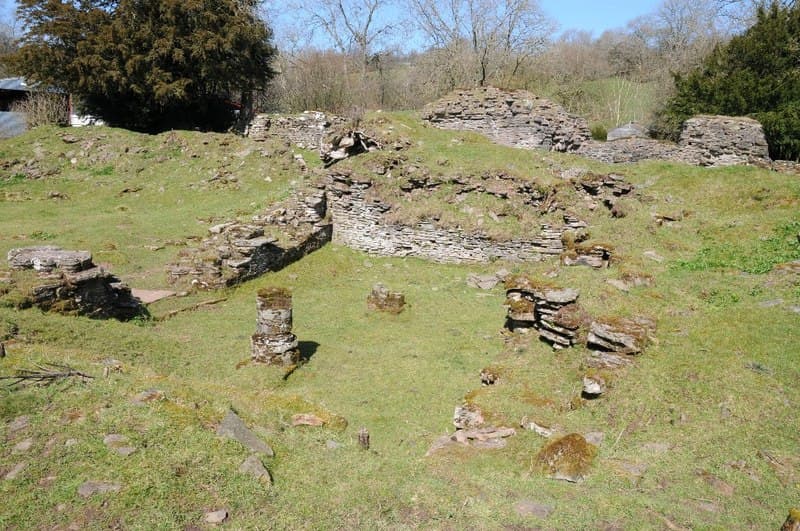
Craswall Priory
Craswall Priory was a Grandmontine priory founded between 1220 and 1225 in Herefordshire, England. Although now in ruins, its current state of disrepair has led to its inclusion on Historic England's Heritage at Risk Register. The priory's remains offer a glimpse into its past monastic life, though its exact significance and detailed history are largely preserved in its surviving structures and associated historical records.