
Sint-Martens-Lierde
Christianity·Belgium·Village with historical monastic remnants·12th century
Sint-Martens-Lierde is a village in the Flemish Ardennes region of East Flanders, Belgium. Historically, it was the site of the Carthusian priory "Sint-Maartens-Bos," established in 1329. Although the priory was dissolved and largely demolished in the late 18th century, the village retains a connection to its monastic past.
Key Facts
- ›First mentioned in 1189 as "Lierde sancti Martini".
- ›The Carthusian priory "Sint-Maartens-Bos" was founded in 1329.
- ›The priory was dissolved in 1783 and subsequently became a parish church.
- ›Most of the monastery was demolished in 1788.
- ›A railway station was established in Sint-Martens-Lierde in 1867, but has since closed.
- ›The village was granted its coat of arms in 1818.

Site of the Former Sint-Maartens-Bos Priory
Lierde Sancti Martini
- Establishment of the Carthusian Priory "Sint-Maartens-Bos"
- Dissolution of the Monastery
- Demolition of Most of the Monastery
- Construction of the Railway Line Melle-Geraardsbergen With A Station At Sint-Martens-Lierde
About Sint-Martens-Lierde
Sint-Martens-Lierde is a village situated within the municipality of Lierde, located in the Denderstreek and the Flemish Ardennes region of East Flanders, Belgium. The village's history is notably marked by the presence of a monastic foundation.
Historical Context
The earliest known mention of Sint-Martens-Lierde dates back to 1189, when it was recorded as "Lierde sancti Martini." A significant development in its history occurred in 1329 with the establishment of the Carthusian priory known as "Sint-Maartens-Bos." This priory played a central role in the village's life for centuries. However, its monastic existence concluded in 1783 when the priory was dissolved. Following its dissolution, the priory's buildings were converted into a parish church. The subsequent year, 1788, saw the demolition of most of the monastic structures.
Later Developments
In the latter half of the 19th century, Sint-Martens-Lierde experienced infrastructural changes with the construction of the railway line Melle-Geraardsbergen in 1867, which included the establishment of a train station in the village. This station, however, has since ceased operations.
Heraldry
Sint-Martens-Lierde's connection to its agricultural heritage is reflected in its coat of arms, which depicts agricultural implements. This coat of arms was officially granted to the village in 1818.
Source: Wikipedia ↗
Frequently Asked Questions
When was Sint-Martens-Lierde first mentioned?
Sint-Martens-Lierde was first mentioned in historical records in the year 1189. At that time, it was referred to as "Lierde sancti Martini."
What was the historical significance of Sint-Maartens-Bos?
Sint-Maartens-Bos was a Carthusian priory established in 1329. It played a significant role in the village's history until its dissolution.
What happened to the Sint-Maartens-Bos priory?
The priory was dissolved in 1783, and its buildings were subsequently repurposed as a parish church. A significant portion of the monastery was demolished in 1788.
Does Sint-Martens-Lierde have any notable historical infrastructure?
Yes, a railway line was constructed through Sint-Martens-Lierde in 1867, which included a train station for the village. However, this station has since been closed.
Related Monasteries
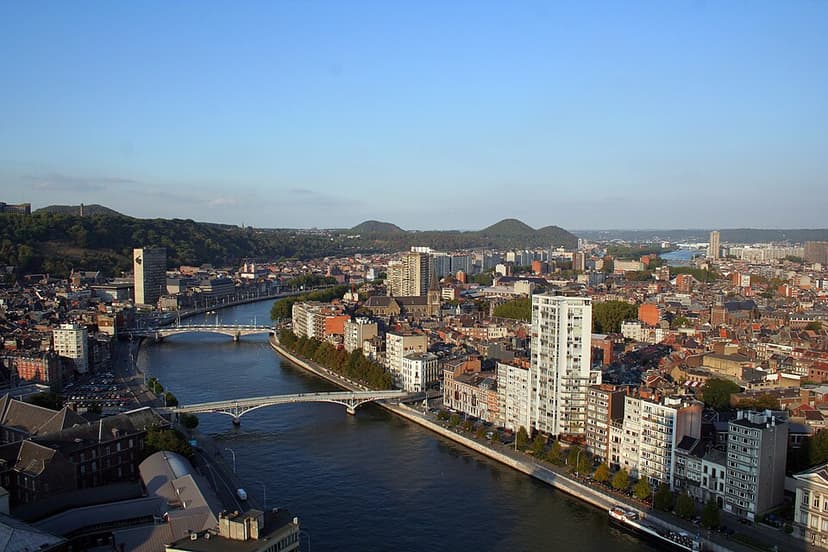
Liège
Liège is a major city and municipality in Wallonia, Belgium, situated in the Meuse valley and serving as the capital of its eponymous province. Historically, it evolved from a Roman settlement into a significant intellectual and ecclesiastical center under Prince-Bishop Notger, later becoming known for its unique democratic guild system. The city has experienced periods of conflict and destruction, notably during the Liège Wars and World War I, but has also been a hub of industrial development and cultural expression, boasting a rich folklore and vibrant nightlife.
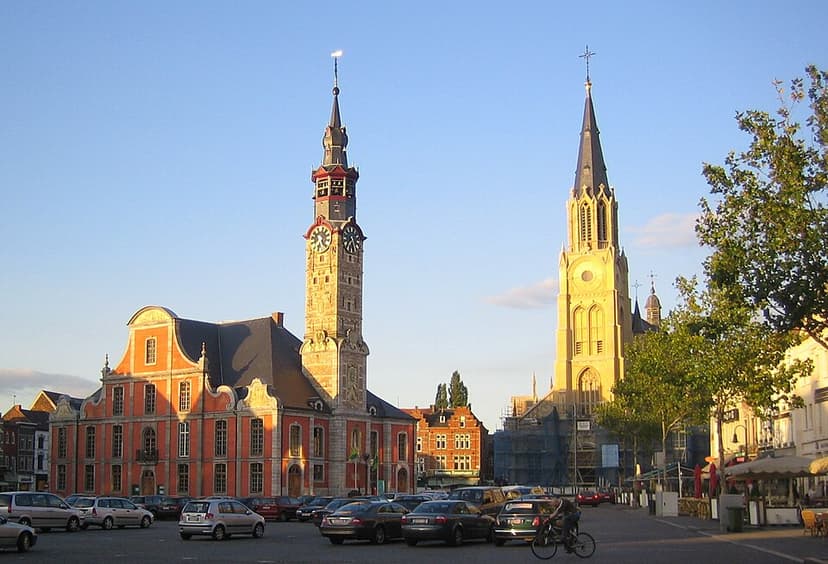
Sint-Truiden
Sint-Truiden is a Belgian city that developed around an abbey founded in the 7th century by St. Trudo. It grew into a significant pilgrimage center and prosperous town known for its linen industry and trade. After a period of decline, the city revitalized as the center of a fruit-producing region and has retained several historical and architectural landmarks.

Tournai
Tournai is one of Belgium's oldest cities, situated on the river Scheldt and historically significant as the first capital of the Frankish Empire. Its cultural heritage is marked by its Romanesque and Gothic cathedral and its influential role in medieval art and textiles. The city has experienced periods of French, English, and Spanish rule, reflecting its strategic importance throughout European history.