
Shechen
Shechen Monastery is a significant institution within the Nyingma tradition of Tibetan Buddhism, originally established in Kham, Tibet, in 1695. It flourished as one of the "Six Mother Monasteries" until its destruction during the Cultural Revolution in the 1950s. In 1985, the tradition was revitalized in Nepal by Dilgo Khyentse Rinpoche, and the monastery now serves as its main seat in exile, housing over 300 monks and continuing its teachings in philosophy, music, and art.
Key Facts
- ›Originally founded in 1695 by the first Shechen Rabjam Tenpé Gyaltsen in Kham, Tibet.
- ›Was one of the "six Mother Monasteries" of the Nyingma tradition.
- ›Destroyed in the 1950s during the Cultural Revolution.
- ›Rebuilt in Nepal in 1985 by Dilgo Khyentse Rinpoche.
- ›Currently houses over 300 monks and teaches music, dance, painting, and Buddhist philosophy.
- ›The present Head is the seventh Shechen Rabjam Rinpoche.
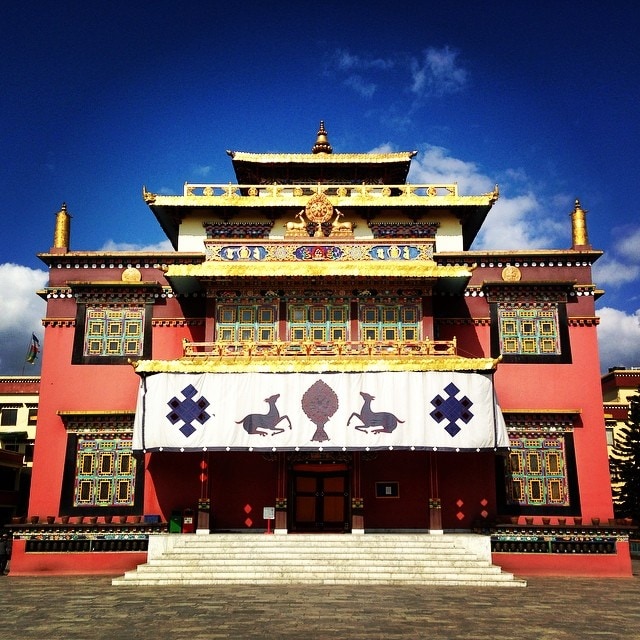
Main Seat of the Shechen Tradition In Exile, Elementary School Providing Modern Education
Dilgo Khyentse Rinpoche, Shechen Rabjam Tenpé Gyaltsen, Gyurme Kunzang Namgyal, Khandro Lhamo, Matthieu Ricard, Changling Rinpoche
Destruction During the Cultural Revolution, Rebuilding In Nepal
About Shechen
Shechen Monastery
Shechen Monastery is a prominent institution within the Nyingma tradition of Tibetan Buddhism, recognized as one of the "Six Mother Monasteries." Its history is marked by both destruction and remarkable revival.
History and Revival
The original Shechen Monastery was established in the Kham region of Tibet in 1695 by the first Shechen Rabjam Tenpé Gyaltsen. It grew to become highly influential, supporting numerous satellite monasteries. However, the monastery was destroyed in the 1950s during the Cultural Revolution. In 1985, the rich tradition of Shechen was transplanted to Nepal by Dilgo Khyentse Rinpoche, who rebuilt the monastery near the Stupa of Boudhanath in Kathmandu. This act ensured the continuation of Shechen's spiritual and cultural heritage in exile.
Shechen Monastery Today
The modern Shechen Monastery in Nepal serves as the primary seat of the Shechen tradition. It is home to over 300 monks who engage in rigorous study and practice. The curriculum encompasses Buddhist philosophy, music, dance, and painting. Additionally, the monastery operates an elementary school that provides a modern education to children aged five to fourteen. The current spiritual leader of the monastery is the seventh Shechen Rabjam Rinpoche, who is the grandson of Dilgo Khyentse Rinpoche. Prominent figures associated with the monastery include Khandro Lhamo, Matthieu Ricard, and Changling Rinpoche.
Source: Wikipedia ↗
Frequently Asked Questions
When was the original Shechen Monastery founded?
The original Shechen Monastery was founded in 1695 by the first Shechen Rabjam Tenpé Gyaltsen. However, some accounts suggest it might have been built by Gyurme Kunzang Namgyal, the second Shechen Rabjam, in 1734.
What is the religious tradition of Shechen Monastery?
Shechen Monastery belongs to the Nyingma tradition of Tibetan Buddhism. It is recognized as one of the "Six Mother Monasteries" within this tradition.
What happened to the original Shechen Monastery?
The original Shechen Monastery, located in Kham, Tibet, was destroyed in the 1950s. This destruction occurred as part of the Cultural Revolution initiated by the Communist Chinese government.
Where is Shechen Monastery located today?
Shechen Monastery was rebuilt near the great Stupa of Boudhanath in Kathmandu, Nepal, in 1985. It now serves as the main seat of the Shechen tradition in exile.
How many monks are at Shechen Monastery in Nepal?
Shechen Monastery in Nepal is home to more than 300 monks. The monastery actively teaches various disciplines, including music, dance, painting, and Buddhist philosophy.
Who is the current head of Shechen Monastery?
The current Head of Shechen Monastery is the seventh Shechen Rabjam Rinpoche. He is the grandson of Dilgo Khyentse Rinpoche, who was instrumental in rebuilding the monastery in Nepal.
Related Monasteries

Pemayangtse Monastery
Pemayangtse Monastery, founded in 1647 by Lama Lhatsun Chempo, is one of Sikkim's oldest and most significant Nyingma Buddhist monasteries. It holds a prominent position in the state's religious landscape, controlling other Nyingma monasteries and traditionally responsible for the consecration of Sikkimese monarchs. The monastery is renowned for its architectural beauty, religious significance, and its role in preserving the Nyingma tradition.

Punakha Dzong
The Punakha Dzong, also known as Pungthang Dewa Chhenbi Phodrang, is a majestic fortress in Bhutan, constructed between 1637 and 1638 by Ngawang Namgyal. It served as the administrative and governmental seat of Bhutan until 1955 and has been the site of royal coronations since 1907. The dzong is renowned for its strategic location between two rivers, its significant religious relics, and its role as the winter capital for the Bhutanese clergy.

Chagri Monastery
Chagri Dorjeden Monastery, also known as Cheri Monastery, is a significant Buddhist monastery in Bhutan, established in 1620 by Ngawang Namgyal, the founder of the Bhutanese state. It is a major teaching and retreat center for the Southern Drukpa Lineage and holds historical importance as the first monastery founded by Ngawang Namgyal in Bhutan, where he also established the first Drukpa monastic order.