
Shasta Abbey
Shasta Abbey is a training monastery for Buddhist monks and a practice center for lay Buddhists and visitors, located on sixteen forested acres near Mount Shasta in northern California. Established in 1970 by Reverend Master P.T.N.H. Jiyu-Kennett, it is part of the Order of Buddhist Contemplatives (OBC). The monastery emphasizes the practice of Serene Reflection Meditation (Sōtō Zen) and the keeping of Buddhist Precepts, offering a refuge for spiritual practice and publishing Buddhist texts.
Key Facts
- ›Established in 1970 by Reverend Master Jiyu-Kennett.
- ›Affiliated with the Order of Buddhist Contemplatives (OBC).
- ›Focuses on Serene Reflection Meditation (Sōtō Zen) and Buddhist Precepts.
- ›Houses a resident monastic community of approximately 26 vegetarian, celibate monks.
- ›Publishes Buddhist books through Shasta Abbey Press, including translations of Zen patriarchs.
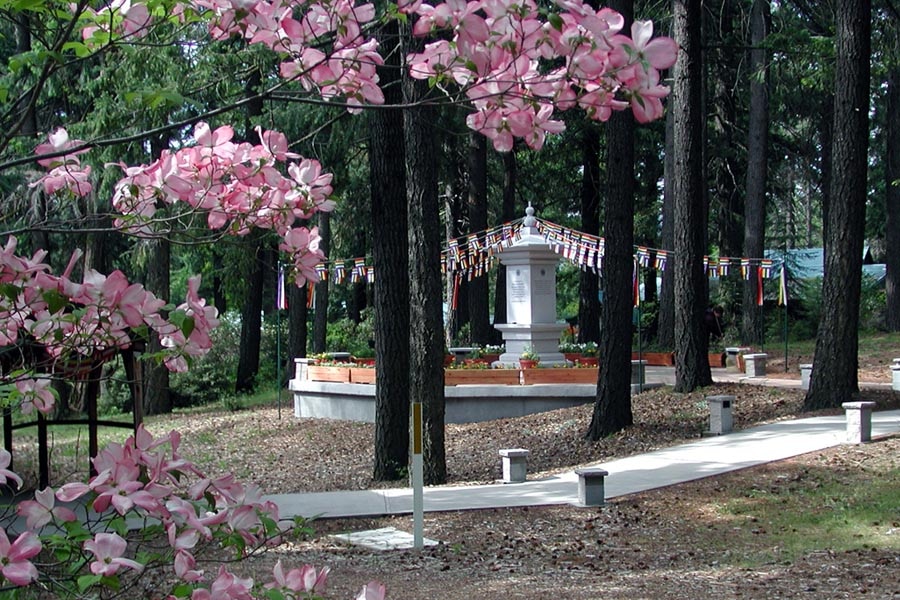
- Forest Setting Near Mount Shasta
- Training Monastery For Monks
- Practice Center For Lay Buddhists and Visitors
- Shasta Abbey Press Publications
Reverend Master P.T.N.H. Jiyu-Kennett, Reverend Master Eko Little, Reverend Master Meian Elbert, Keido Chisan Koho Zenji
- Establishment of the Monastery In 1970
- Founding of Throssel Hole Buddhist Abbey In England In 1972
- Founding of the Order of Buddhist Contemplatives
- Succession of Abbots: Jiyu-Kennett , Eko Little , Meian Elbert
About Shasta Abbey
Shasta Abbey is a Buddhist training monastery and practice center situated on sixteen forested acres near Mount Shasta in northern California, United States. Established in 1970 by Reverend Master P.T.N.H. Jiyu-Kennett, it serves as a monastic training ground for Buddhist monks and a sanctuary for lay Buddhists and interested visitors. The abbey is a key institution within the Order of Buddhist Contemplatives (OBC), an organization founded by Rev. Master Jiyu-Kennett to unite the temples she established.
History and Succession
Reverend Master Jiyu-Kennett, a British woman, founded Shasta Abbey in 1970 after coming to the United States on a lecture tour. She served as Abbess and spiritual director for twenty-six years, ordaining and teaching numerous monks and lay practitioners. In 1972, she also founded Throssel Hole Buddhist Abbey in England. Following her death in 1996, Reverend Master Eko Little, her Dharma Heir, became the second Abbot, serving until 2010. During his tenure, he upheld his master's vision, strengthening the monastery's spiritual life. Towards the end of his abbacy, allegations of misconduct led to his departure from the abbey. The current Abbess is Reverend Master Meian Elbert, who was ordained by Rev. Master Jiyu-Kennett in 1977 and received Dharma Transmission in 1979. She was elected Abbess by the monastic community in June 2010.
Practice and Training
Buddhist training at Shasta Abbey is rooted in the practice of Serene Reflection Meditation, also known as Sōtō Zen, and the adherence to Buddhist Precepts. The resident monastic community comprises approximately 26 vegetarian, celibate male and female monks. Their monastic robes are designed to reflect both the Chinese Chan and Japanese Sōtō Zen traditions from which Rev. Master Jiyu-Kennett ordained. The daily schedule is structured to integrate meditation into all aspects of life, encompassing seated meditation, ceremonial rituals, and working meditation. This rhythm extends to lay residents and retreat participants, who are encouraged to follow a similar schedule, practicing the Middle Way in their daily lives.
Publications and Outreach
Shasta Abbey Press is responsible for publishing a variety of Buddhist literature, including the works of Rev. Master Jiyu-Kennett and significant translations of Buddhist texts. Among these are essential writings from Soto Zen patriarchs Dogen Zenji and Keizan Jokin Zenji. The abbey's translations are particularly valued in the West for their accessibility, as they are produced from a meditative perspective by actual Buddhist monks, aiming to be less esoteric and more practical for Western practitioners. Many of these publications are available for free through the Shasta Abbey website. The abbey operates on a system of Dāna, or mutual assistance, without charging fees, placing faith in the practice of giving and receiving.
Source: Wikipedia ↗
Frequently Asked Questions
When was Shasta Abbey founded?
Shasta Abbey was established in 1970 by Reverend Master P.T.N.H. Jiyu-Kennett. She came to the United States in 1969 with the intention of founding a monastery.
Who founded Shasta Abbey?
Shasta Abbey was founded by Reverend Master P.T.N.H. Jiyu-Kennett, a British woman who was an ordained monk and spiritual director of the monastery until her death in 1996. She established it on behalf of her teacher in Japan.
What is the religious tradition of Shasta Abbey?
Shasta Abbey is a training monastery for Buddhist monks and a place of practice for lay Buddhists. It belongs to the Order of Buddhist Contemplatives (OBC) and practices Sōtō Zen Buddhism.
What kind of training is offered at Shasta Abbey?
Training at Shasta Abbey is based on the practice of Serene Reflection Meditation (Sōtō Zen) and the keeping of the Buddhist Precepts. The daily schedule includes seated meditation, ceremonial, and working meditation.
Does Shasta Abbey have a fee for visitors?
No, Shasta Abbey does not charge fees or suggest donation amounts for its teachings or training refuge. They operate on the practice of Dāna, or mutual assistance, believing there is no price on the Buddha Dharma.
What publications does Shasta Abbey offer?
Shasta Abbey Press publishes Buddhist books, including the writings of its founder, Rev. Master Jiyu-Kennett, and scholarly translations of Buddhist texts and scriptures, such as the master works of Soto Zen patriarchs Dogen Zenji and Keizan Jokin Zenji.
Related Monasteries

Tassajara Zen Mountain Center
Tassajara Zen Mountain Center is the oldest Japanese Sōtō Zen monastery in the United States, established in 1967. Located in the Los Padres National Forest, it is renowned for its intensive meditation practice periods and its unique guest season, during which it opens to the public and is known for its vegetarian cuisine. The center, the first Zen monastery established outside Asia, has faced challenges from wildfires and a recent arson incident.
Deer Park Monastery
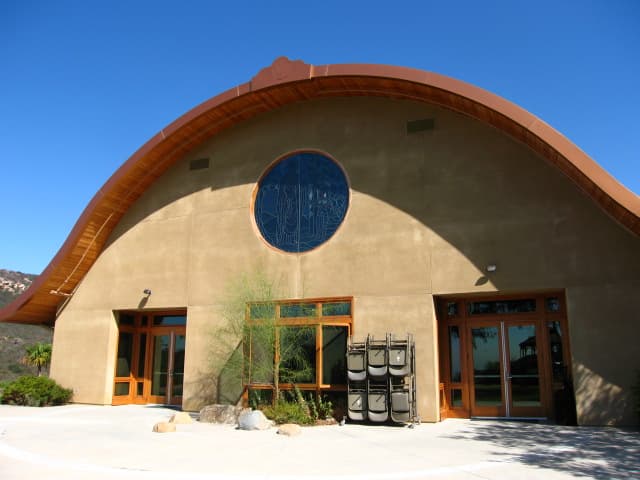
Deer Park Monastery is a 400-acre Buddhist monastery located in Escondido, California, founded in July 2000 by Thích Nhất Hạnh. It adheres to the Vietnamese Thiền tradition within the Plum Village Tradition and serves as a vibrant center for monastic practice and public mindfulness events. The monastery is organized into two hamlets, Solidity Hamlet for monks and laymen, and Clarity Hamlet for nuns and laywomen, fostering a growing community of ordained and lay practitioners.

Empty Cloud Monastery
Empty Cloud Monastery, established in 2019 in West Orange, New Jersey, is a gender-inclusive, non-sectarian Buddhist monastery. Co-founded by Ayyā Somā and Bhante Suddhāso, it operates under the non-profit Buddhist Insights, offering traditional Buddhist teachings free of charge. The monastery is situated on a 3-acre property that was formerly a Catholic monastery.