
Tassajara Zen Mountain Center
Tassajara Zen Mountain Center is the oldest Japanese Sōtō Zen monastery in the United States, established in 1967. Located in the Los Padres National Forest, it is renowned for its intensive meditation practice periods and its unique guest season, during which it opens to the public and is known for its vegetarian cuisine. The center, the first Zen monastery established outside Asia, has faced challenges from wildfires and a recent arson incident.
Key Facts
- ›It is the oldest Japanese Sōtō Zen monastery in the United States.
- ›Founded by the San Francisco Zen Center in 1967.
- ›The first Zen monastery to be established outside of Asia.
- ›Renowned for its vegetarian cuisine, with associated chefs founding notable San Francisco establishments.
- ›Accessible only via a narrow, steep dirt road, making it potentially inaccessible in winter.
- ›Has faced threats from numerous wildfires throughout its history.

- Natural Hot Springs Developed Into Japanese-Style Baths
- Steam Bath Built Over A Hot Spring
- Vegetarian Cuisine
Zenshinji
Shunryu Suzuki
Basin Complex Fire, Soberanes Fire, Willow Fire, Arson Fire
About Tassajara Zen Mountain Center
Tassajara Zen Mountain Center holds the distinction of being the oldest Japanese Sōtō Zen monastery established in the United States. Nestled within the Los Padres National Forest, southeast of Carmel-by-the-Sea, California, its remote location is accessible only via a challenging 13.7-mile dirt road, a route that can become impassable during winter months due to weather conditions.
History and Practice
The center's property, which includes natural hot springs, was acquired by the San Francisco Zen Center in 1967. Under the guidance of Shunryu Suzuki, its first abbot, the property was developed and named Tassajara Zen Mountain Center, also known as Zenshinji (Zen Mind Temple). This marked a significant moment as it was the first Zen monastery to be founded outside of Asia. Tassajara is characterized by its rigorous practice periods held in the fall and spring, during which the center is closed to the public. These periods revolve around intensive zazen (meditation), study, and work.
Guest Season and Culinary Renown
From Memorial Day to Labor Day, Tassajara opens its doors to day and overnight guests, a period that is crucial for the center's economic sustainability. This guest season features a less rigorous daily schedule and is also known for its exceptional vegetarian cuisine. The culinary reputation of Tassajara is such that personnel associated with the center have founded notable establishments in San Francisco, including Tassajara Bakery and Greens Restaurant. Furthermore, Edward Espe Brown's "Tassajara Bread Book" is widely credited with popularizing artisanal baking in the United States.
Challenges and Resilience
Due to its secluded mountain setting, Tassajara has frequently been threatened by wildfires. Notable incidents include the Basin Complex Fire in 2008, the Soberanes Fire in 2016, and the Willow Fire in 2021, all of which put the monastery at risk. In a more recent event in March 2026, a meditation center and historical artifacts were destroyed in a fire, with arson being investigated. Despite these challenges, the community has demonstrated resilience, with monks actively protecting the property during fire events and implementing preventative measures like external sprinkler systems.
Source: Wikipedia ↗
Frequently Asked Questions
What is Tassajara Zen Mountain Center?
Tassajara Zen Mountain Center is the oldest Japanese Sōtō Zen monastery in the United States. It serves as a place for intensive monastic practice and also opens to guests during the summer months.
When was Tassajara Zen Mountain Center established?
The center was established in 1967 when the San Francisco Zen Center purchased the property. It was the first Zen monastery founded outside of Asia.
Where is Tassajara Zen Mountain Center located?
Tassajara is situated on the border of the Ventana Wilderness within the Los Padres National Forest, southeast of Carmel-by-the-Sea, California. Access is difficult, requiring travel over a steep dirt road.
Can the public visit Tassajara Zen Mountain Center?
Yes, from Memorial Day to Labor Day, Tassajara is open to day and overnight guests. During the fall and spring practice periods, it is closed to the public.
What is Tassajara known for besides its monastic practice?
Tassajara is particularly famous for its vegetarian cuisine. Its associated chefs have founded well-known vegetarian restaurants and bakeries in San Francisco.
Has Tassajara faced any significant challenges?
Yes, Tassajara's remote location makes it vulnerable to wildfires, and it has been threatened or affected by several major fires. In March 2026, a fire destroyed a meditation center and other items, with arson suspected.
Related Monasteries
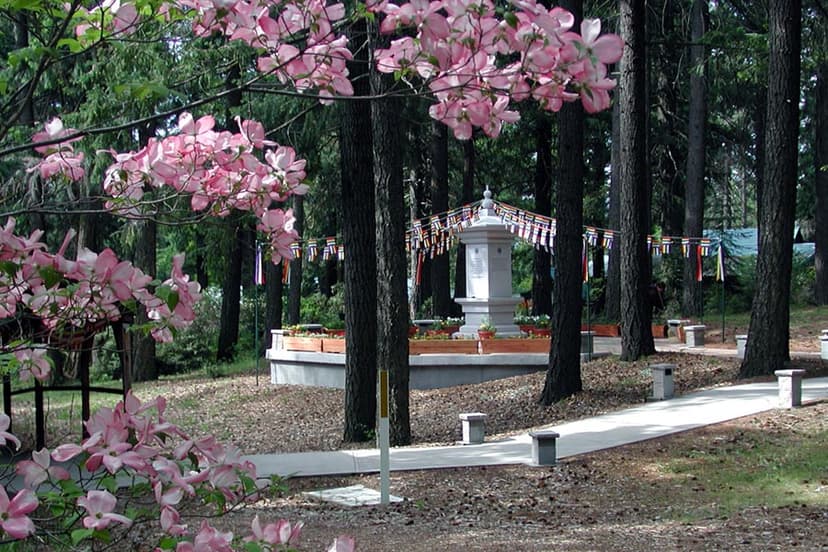
Shasta Abbey
Shasta Abbey is a training monastery for Buddhist monks and a practice center for lay Buddhists and visitors, located on sixteen forested acres near Mount Shasta in northern California. Established in 1970 by Reverend Master P.T.N.H. Jiyu-Kennett, it is part of the Order of Buddhist Contemplatives (OBC). The monastery emphasizes the practice of Serene Reflection Meditation (Sōtō Zen) and the keeping of Buddhist Precepts, offering a refuge for spiritual practice and publishing Buddhist texts.
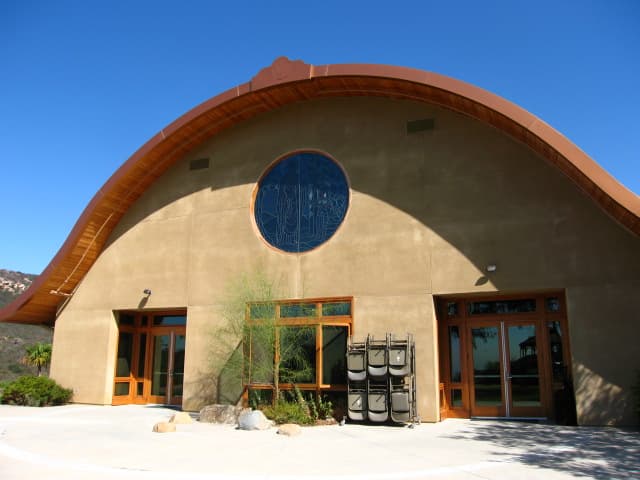
Deer Park Monastery
Deer Park Monastery is a 400-acre Buddhist monastery located in Escondido, California, founded in July 2000 by Thích Nhất Hạnh. It adheres to the Vietnamese Thiền tradition within the Plum Village Tradition and serves as a vibrant center for monastic practice and public mindfulness events. The monastery is organized into two hamlets, Solidity Hamlet for monks and laymen, and Clarity Hamlet for nuns and laywomen, fostering a growing community of ordained and lay practitioners.

Empty Cloud Monastery
Empty Cloud Monastery, established in 2019 in West Orange, New Jersey, is a gender-inclusive, non-sectarian Buddhist monastery. Co-founded by Ayyā Somā and Bhante Suddhāso, it operates under the non-profit Buddhist Insights, offering traditional Buddhist teachings free of charge. The monastery is situated on a 3-acre property that was formerly a Catholic monastery.