
Senlis
Senlis is a historic commune in the Oise department of France, recognized for its Gothic cathedral and significant ties to early French monarchies. Situated near the Chantilly forest, the town was a royal residence and strategic settlement during Roman times, featuring substantial defensive walls and an amphitheater. Despite periods of decline, Senlis remains an attraction for its historical monuments and its role in French history, including its designation as a royal city.
Key Facts
- ›Known in Roman times as Augustomagus and later Civitas Silvanectium.
- ›Features a 3rd-century defensive wall, parts of which still exist.
- ›Was a royal city from the Capetian dynasty until the reign of Charles X.
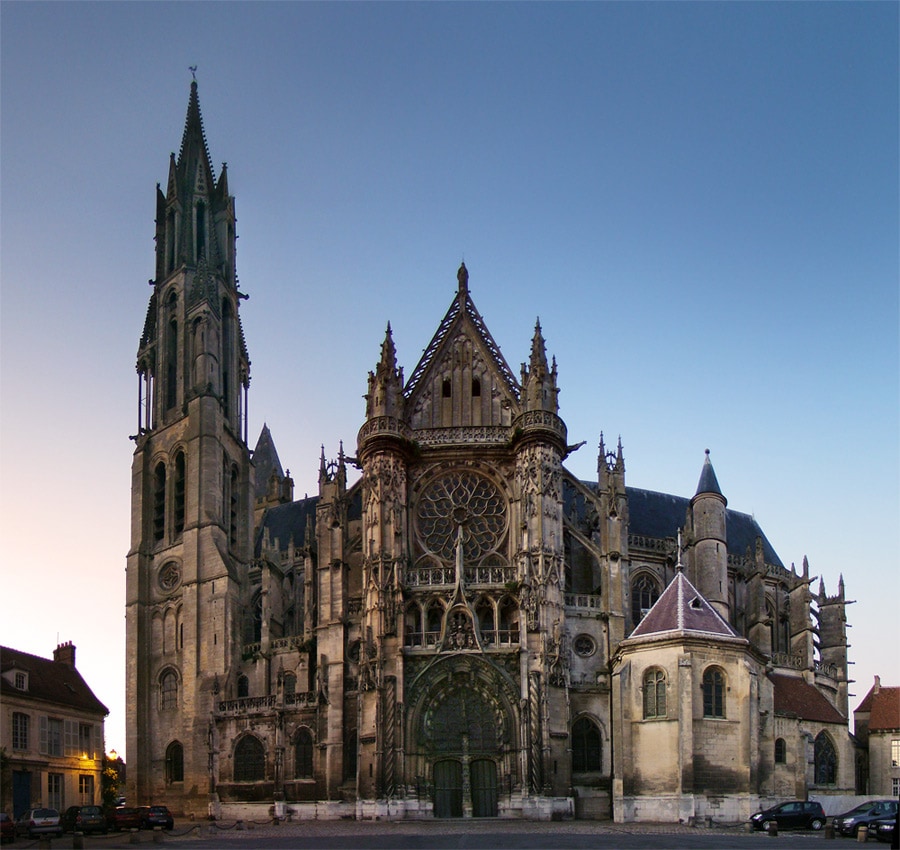
- ›Senlis Cathedral, a Roman Catholic Gothic church, is a French national monument.
- ›The town was a significant filming location for numerous French and international films.
- ›Was occupied by German forces during World War I, resulting in civilian executions and destruction.
Gothic, Roman
Gothic Cathedral, Ancient Royal Castle-Priory Saint Maurice, Roman Amphitheatre Remains, 3rd-Century Defensive Wall Remains, Museum of Art and Archeology, Museum of the Hunts, Museum of the Spahis
Augustomagus, Civitas Silvanectium
Hugh Capet, Archbishop Adalbero of Reims, Louis Vii of France, Phillip Ii, Charles Viii of France, Maximilian I of Austria, EugèNe Odent, Queen Anne of Kiev, Martin Chambiges
- Erection of Defensive Wall In the 3rd Century
- Assembly In 987 Leading To Hugh Capet's Election As King
- Granting of A Municipal Charter In 1173 By King Louis Vii
- Creation of the Bailiwick of Senlis In 1265
- Devastation By the Hundred Years' War
- Signing of the Treaty of Senlis In 1493
- German Occupation and Fighting In World War I
- Liberation By the French Army In World War I
About Senlis
Senlis is a historic commune located in the Oise department of France, renowned for its Gothic cathedral and its deep connections to the early French monarchy. Situated on the river Nonette, it lies strategically between several forests, a location that attracted royalty seeking proximity to hunting grounds.
History and Royal Significance
Originally known as Augustomagus during Roman times, Senlis was later called Civitas Silvanectium. A significant defensive wall, dating to the 3rd century, still partially stands, a testament to its strategic importance. The town also featured a Roman amphitheater, remnants of which are still visible. The monarchs of early French dynasties established their residence in Senlis, building a castle on Roman foundations. It was here in 987 that Archbishop Adalbero of Reims convened an assembly that led to the election of Hugh Capet as king of France. Under Capetian rule, Senlis flourished as a royal city until the reign of Charles X. The city reached a peak in the 12th and 13th centuries with increased trade and the construction of new ramparts, receiving a municipal charter in 1173 from King Louis VII.
Architectural Heritage and Cultural Role
The Senlis Cathedral, a Roman Catholic Gothic church, is a major landmark and a French national monument. Its construction spanned from 1153 to 1519, featuring a notable 13th-century spire. Other historical sites include the Ancient Royal Castle-priory Saint Maurice, the Hôtel de Ville with a plaque honoring Henry IV, and the former St. Vincent Abbey, founded by Queen Anne of Kiev. Senlis has also served as a prominent filming location for numerous movies due to its well-preserved historic streets and ambiance. The town experienced conflict during World War I, with a German occupation that led to civilian executions and destruction, but was later liberated by the French Army.
Modern Identity
Today, Senlis is a tourist attraction that draws visitors interested in its long history, its links to the French monarchy, and its well-preserved medieval character. The town has a vibrant cultural life, with events like the Garden Lounge and Christmas marches. Its inhabitants are known as Senlisiens and Senlisiennes.
Source: Wikipedia ↗
Frequently Asked Questions
What was Senlis called in Roman times?
In early Roman imperial times, Senlis was known as Augustomagus. Later, it became known as Civitas Silvanectium, referring to the local Silvanectes tribe.
What historical significance does Senlis hold regarding French royalty?
The monarchs of early French dynasties were drawn to Senlis due to its proximity to the Chantilly forest. It became a royal city under the Capetian rule and served as a royal residence until the reign of Charles X.
What are the notable ancient structures in Senlis?
Senlis features a 3rd-century defensive wall, about half of which remains, and the remains of a Roman amphitheater that could seat up to 10,000 people. The current royal castle dates to the 12th century.
What is the history of Senlis Cathedral?
Senlis Cathedral is a Roman Catholic Gothic church that served as the ancient seat of the Bishopric of Senlis. Construction took place between 1153 and 1519, with its 13th-century spire being a prominent feature.
What events occurred in Senlis during World War I?
During World War I, Senlis was briefly occupied by German forces in September 1914. The town experienced fighting, civilian executions including the mayor, and the burning of buildings like the train station and courthouse.
Why is Senlis a popular destination for filmmakers?
Senlis' historic appearance, with its ancient cobbled alleys and its proximity to Paris, has made it a significant destination for cinema. Many films have been shot there, utilizing its picturesque and historic setting.
Related Monasteries

Le Mans
Le Mans is a historic city in northwestern France, traditionally the capital of the province of Maine and now the seat of the Sarthe department. Known to the Romans as Vindinium, it boasts significant Gallo-Roman remnants, including an ancient defensive wall and amphitheater. The city is globally renowned for hosting the "24 Hours of Le Mans," the world's oldest active endurance sports car race, which has been a major fixture since 1923.

Solesmes Abbey
Solesmes Abbey, officially known as St. Peter's Abbey, Solesmes, is a Benedictine monastery in Solesmes, France, founded in 1010. It played a pivotal role in the revival of Benedictine monastic life in France following the French Revolution, under the leadership of Dom Prosper Guéranger. The abbey is renowned for its contributions to the advancement of Roman Catholic liturgy and the revival of Gregorian chant, maintaining these traditions to the present day.

Alet Abbey
Alet Abbey, also known as the Cathedral of Our Lady of Alet and later St. Benedict's Cathedral, was an important religious site in Languedoc, France. Established as part of the Diocese of Alet in 1317, the cathedral was built adjacent to an existing monastery. It suffered significant destruction during the Wars of Religion and was largely demolished in the late 18th century, with its diocese suppressed after the French Revolution.