
Savona
Savona is a historic seaport and municipality in Liguria, Italy, known for its strategic location on the Italian Riviera and its rich history stretching from ancient Ligurian tribes to its role as a medieval commune and later an industrial hub. The city's significance is underscored by its association with Christopher Columbus, who farmed land in the area, and its cultural heritage, particularly through the Dominican and Franciscan monasteries that made it a center of religious culture between the 13th and 16th centuries. Today, Savona is the capital of its province and a vibrant city with notable historical landmarks and a significant population.
Key Facts
- ›Savona is a seaport and the capital of the Province of Savona in the Liguria region of Italy.
- ›It was a center of religious culture from the 13th to 16th centuries due to the presence of Dominican and Franciscan monasteries.
- ›Christopher Columbus, the renowned explorer, farmed land in the Savona hills and lived in the area for a significant part of his youth.
- ›The city has a history of independence as a free commune, allied with the Holy Roman Emperor, before being conquered by Genoa in 1528.
- ›Savona was annexed to the Kingdom of Sardinia-Piedmont in 1815 and later became part of the unified Kingdom of Italy.

Rococo, Liberty Style
Torre Leon Pancaldo, Torre Del Brandale, Priamar Fortress, Palazzo Delle Rovere, Palazzo Gavotti, Cattedrale Dell'Assunta, Cappella Sistina, Nemo's Garden
SañA
Christopher Columbus, Pope Pius Vii, Giuseppe Mazzini, Pope Julius Ii, Pope Sixtus Iv, Leonardo Della Rovere, Luchina Monleone, Giovanni D'Aria, Michele D'Aria, Cardinal Pietro Riario, Francesco Maria Della Rovere, Paolo Gerolamo Brusco, Vincenzo Foppa, Ludovico Brea, Domenico Colombo, Luigi Venzano, Valerio Bacigalupo
- Conquered By Roman Influence
- Destroyed During Lombard Invasion
- Became A County Seat In the Carolingian Empire
- Acquired Independence As A Free Commune
- Conquered and Port Destroyed By Genoa
- Received Pope Pius Vii As Prisoner
- Besieged By Austrian Forces and Blockaded By British Naval Force
- Annexed To the Kingdom of Sardinia-Piedmont
- Became A Regional Industrial Hub
About Savona
Savona (Ligurian: Saña) is a significant seaport and municipality located in the western part of the northern Italian region of Liguria. It serves as the capital of the Province of Savona and is a prominent city on the western Italian Riviera, facing the Ligurian Sea. Its history is extensive, beginning with habitation by ancient Ligures tribes and progressing through Roman, Lombard, and Carolingian periods.
History and Significance
Savona's strategic position made it a vital center throughout its existence. After coming under Roman influence around 180 BC and enduring various dominations, it achieved independence in the 11th century as a free commune. A particularly influential period was between the 13th and 16th centuries, when Savona became a hub of religious culture, significantly shaped by the presence and work of Dominican and Franciscan monasteries. Despite periods of struggle, including its conquest by the Republic of Genoa in 1528, which led to the destruction of its upper town and port, Savona retained its importance. It shared the fortunes of Genoa until Napoleonic times and later became part of the Kingdom of Sardinia-Piedmont before its integration into the unified Kingdom of Italy. During the 20th century, Savona evolved into a regional industrial center.
Notable Associations and Features
One of Savona's most celebrated former inhabitants was the explorer Christopher Columbus, who farmed land in the area and spent a significant part of his youth in the city. Today, Savona retains many historical landmarks, including the iconic Torre Leon Pancaldo (Torretta), the Torre del Brandale, and the imposing Priamar fortress, which once served as a prison. Religious sites such as the Cattedrale dell'Assunta and the adjacent Cappella Sistina are also prominent. The city is characterized by its palaces, including the Palazzo Delle Rovere, designed as a university, and the Palazzo Gavotti, which now houses important art and ceramic museums. Its architectural landscape also features notable examples of Liberty style buildings.
Source: Wikipedia ↗
Frequently Asked Questions
Who was Christopher Columbus and what is his connection to Savona?
Christopher Columbus was a famous navigator who farmed land in the Savona hills. 'Columbus's house,' a cottage situated in these hills, is one of several residences in Liguria associated with him, and he lived in Savona for a considerable part of his youth.
What is the historical significance of Savona's monasteries?
Between the 13th and 16th centuries, Savona was a significant center of religious culture, largely due to the work of two important monasteries: one Dominican and one Franciscan. These institutions contributed to the city's prominence during this period.
What major historical events shaped Savona's development?
Savona was inhabited by Ligures tribes, came under Roman influence, and later passed through Lombard, Ostrogoth, and Byzantine rule before becoming a county seat in the Carolingian Empire. It achieved independence as a free commune in the 11th century but was conquered by Genoa in 1528, after which it shared Genoa's fortunes until Napoleonic times. The city also experienced Austrian sieges and blockades in 1800.
What are some notable landmarks in Savona?
Key landmarks include the Torre Leon Pancaldo (also known as 'Torretta'), the Torre del Brandale (Campanassa), the Priamar fortress, the Palazzo Delle Rovere, and the Palazzo Gavotti, which houses art and ceramic museums. The Cattedrale dell'Assunta and the adjacent Cappella Sistina are also significant religious sites.
When was Savona founded?
Savona was inhabited in ancient times by Ligures tribes and came under Roman influence around 180 BC. While an exact founding date is not specified, its continuous habitation and development suggest a very ancient origin.
Related Monasteries
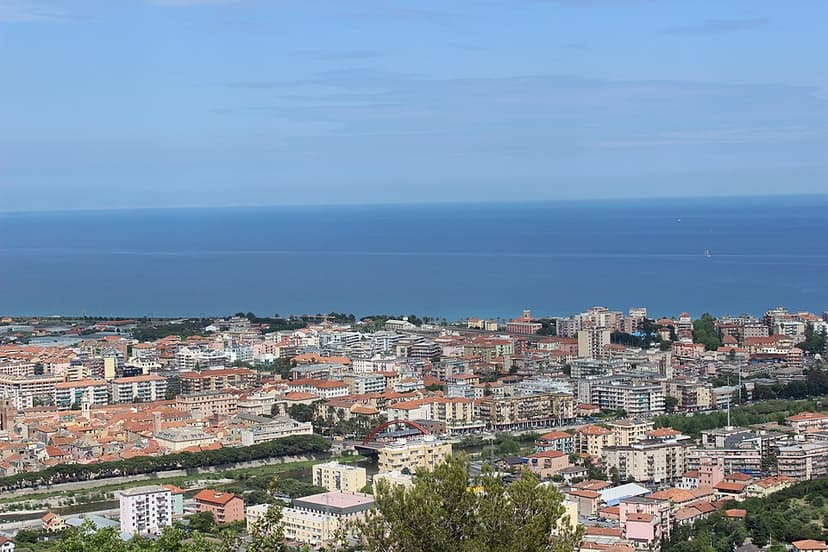
Albenga
Albenga is a historic city on the Italian Riviera, known for its "city of a hundred spires" nickname. Its economy thrives on tourism, local commerce, and agriculture. Founded around the 4th century BC by the Ligurian tribe Ingauni, Albenga boasts a rich history marked by Romanization, medieval self-governance, and periods of prosperity and decline, with its strategic location on the Centa River influencing its development and economy.
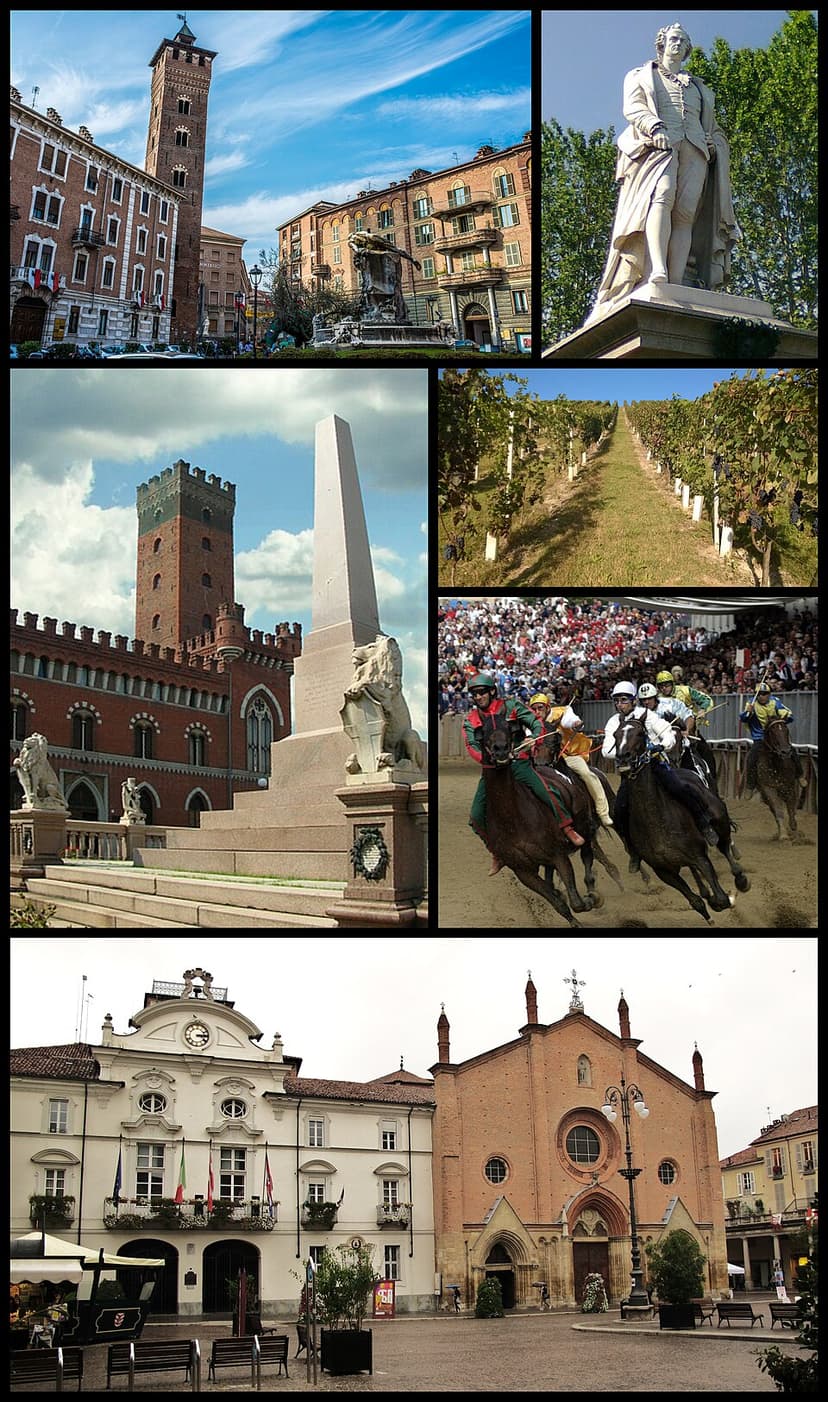
Asti
Asti is a historic comune in the Piedmont region of Italy, with a history stretching back to the Neolithic period. It rose to prominence as a Roman city named Hasta, strategically located on trade routes. Throughout the Middle Ages, Asti evolved into a powerful free commune, known for its economic and cultural splendor, and as a central hub for trade. The city has experienced periods of significant conflict and rule by various powers, including the Lombards, Franks, French, and Savoyards, before becoming part of unified Italy.

Brixen
Brixen, also known as Bressanone, is a historic town and municipality in South Tyrol, northern Italy, situated at the confluence of the Eisack and Rienz rivers. It is the third-largest city and oldest town in the province, known for its German-speaking majority and rich history dating back to the Upper Paleolithic. The town boasts significant religious and secular architecture, including its cathedral and the Renaissance Bishop's Palace, and is a center for culture and tourism, particularly for its nearby ski resort, Plose.