
Albenga
Albenga is a historic city on the Italian Riviera, known for its "city of a hundred spires" nickname. Its economy thrives on tourism, local commerce, and agriculture. Founded around the 4th century BC by the Ligurian tribe Ingauni, Albenga boasts a rich history marked by Romanization, medieval self-governance, and periods of prosperity and decline, with its strategic location on the Centa River influencing its development and economy.
Key Facts
- ›Founded around the 4th century BC as the capital of the Ingauni tribe.
- ›Allied with the Carthaginians during the Second Punic War before Romanization.
- ›Became a medieval municipality in 1098 and participated in the First Crusade.
- ›Received imperial investiture for its territory in 1159.
- ›Was declared capital of the Centa Jurisdiction in 1798.
- ›Its economy is primarily based on tourism, local commerce, and agriculture.
Romanesque, Gothic, Byzantine-Ravennate
City of A Hundred Spires Nickname, Cathedral of St. Michael Archangel, Albenga Baptistery, Ingauni Museum, Holy Art Museum, Roman Amphitheatre, Via Julia Augusta Remains, Gallinara Island
Arbenga, Albingaunum
Lucius Aemilius Paullus Macedonicus, Constantius Iii, Rothari, Frederick Barbarossa, Saint Martin of Tours, Saint Veranus of Cavaillon, Madame De Genlis, Gianmario Roveraro, Renato Curcio, Giampiero Ventura, Ezio Madonia
- Defeated By Romans During the Second Punic War
- Granted Roman Citizenship
- Suffered Raids By Visigoths
- Listed Among Towns Downsized By King Rothari
- Established As A Medieval Municipality
- Joined the First Crusade
- Received Imperial Investiture
- Declared Capital of the Centa Jurisdiction
- Assigned To the House of Savoy
About Albenga
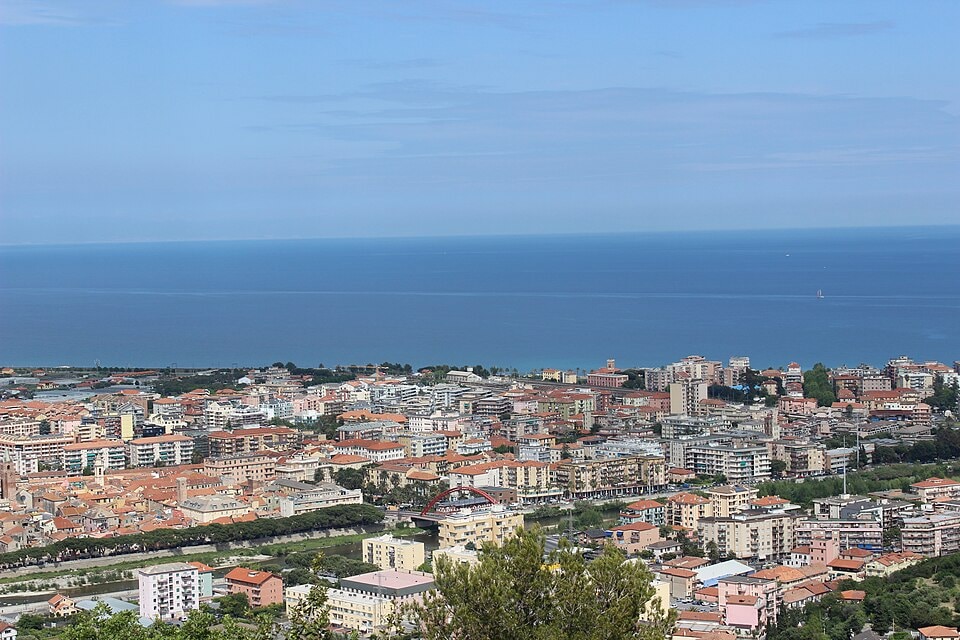
Albenga, known in Latin as Albingaunum and in Ligurian as Arbenga, is a historic city and comune situated on the Gulf of Genoa on the Italian Riviera, within the Province of Savona in Liguria, northern Italy. The city is famously nicknamed the "city of a hundred spires." Its economy is largely sustained by tourism, local commerce, and agriculture.
Early History and Roman Period
Founded around the 4th century BC, Albenga was initially the capital of the Ingauni, a Ligurian tribe of sailors and traders. During the Second Punic War, the town sided with the Carthaginians but was defeated by the Romans in 181 BC. Following an alliance agreement, the region underwent Romanization, and Albingaunum was granted Roman citizenship in 45 BC under Julius Caesar. The construction of the Via Julia Augusta in 13 BC further boosted the city's prosperity, connecting it to southern France and Spain. Archaeological evidence suggests Albenga was a significant town during Late Antiquity, with a bishop present at a synod in Milan in 451, indicating its importance in western Liguria.
Middle Ages and Modern Era
Albenga established itself as a medieval municipality in 1098, participating in the First Crusade with its own banner and troops. The city supported Emperor Frederick Barbarossa and joined the Ghibelline coalition, receiving imperial investiture for its territory in 1159. In 1798, Albenga became the capital of the Centa Jurisdiction within the Ligurian Republic. Following the unification of Italy, its role as a provincial head city was eventually abolished, and it saw a period of reduced economic and demographic development compared to other coastal towns.
Geography and Notable Features
Located on the western coast of the Italian Riviera, Albenga is characterized by its plain at the mouth of the river Centa. Historically, the city's economy was tied to maritime trade, with its port later being buried by the Republic of Genoa. Today, the river flows through the city center. Notable sights include the Cathedral of St. Michael Archangel, which displays traces of Romanesque and Gothic transformations, and the 5th-century Albenga Baptistery. The historical center also houses the Old City Hall Palace, containing the Ingauni Museum, and the Old Bishop's Palace, home to the Holy Art Museum. Remains of a Roman amphitheatre, the Via Julia Augusta, and the Palaeo-Christian Basilica of S. Calocero further attest to its ancient past. The nearby Gallinara island is a significant natural and historical site, once inhabited by Saint Martin of Tours.
Source: Wikipedia ↗
Frequently Asked Questions
What is Albenga known for?
Albenga is known as the "city of a hundred spires" and is a historic coastal resort town on the Italian Riviera. Its economy is driven by tourism, local commerce, and agriculture. The city also features significant historical and architectural sites from its Roman and medieval past.
What is the origin of Albenga's name?
The name Albenga derives from the Latin "Albingaunum," which evolved from "Album Ingaunum," meaning the capital city of the Ingauni. The term "Album" is thought to originate from a pre-Indo-European word for rock or hill, rather than the Latin word for white.
What was Albenga's role during the Roman period?
During the Roman period, Albenga, then known as Albingaunum, was initially allied with the Carthaginians but later entered into an alliance with the Romans. It was granted Roman citizenship in 45 BC and experienced a period of prosperity, enhanced by the construction of the Via Julia Augusta.
What are some of the main historical sights in Albenga?
Key historical sights include the Cathedral of St. Michael Archangel, the Albenga Baptistery with its 5th-century octagonal interior, the Old City Hall Palace housing the Ingauni Museum, and the Old Bishop's Palace which contains the Holy Art Museum. Ancient remains like the Roman amphitheatre and the Via Julia Augusta are also significant.
What is the significance of the Gallinara island to Albenga?
The Gallinara island, located a short distance from Albenga, is historically significant. Christian cleric and saint Martin of Tours is believed to have lived there, and a monastery stands in his honor. Since 1064, the island has been owned by the abbey of Abbadia Alpina.
Related Monasteries

Bordeaux
Bordeaux, historically known as Burdigala, is a major port city in southwestern France on the Garonne River. It has a rich history dating back to Celtic and Roman times, evolving into a significant commercial and cultural center. The city is renowned globally for its wine production, architectural heritage, and as a hub for business, knowledge, and aeronautics.

Mantua
Mantua, a historic city in Lombardy, Italy, rose to prominence under the House of Gonzaga from 1328 to 1708, becoming a leading center of art, culture, and music in Northern Italy. It is renowned for its significant contributions to the history of opera, its architectural treasures, and its medieval and Renaissance cityscape. The city's strategic defense system, created in the 12th century, consists of three artificial lakes surrounding it.

Pavia Charterhouse
The Certosa di Pavia is a magnificent monastery complex in Lombardy, Italy, renowned for its blend of Gothic and Renaissance architecture and its extensive collection of artworks. Commissioned by Gian Galeazzo Visconti in 1396 as a dynastic mausoleum and a symbol of his aspirations, it was built over a century by numerous prominent architects and artists. Despite its Carthusian origins, known for austerity, the Certosa is celebrated for its architectural exuberance and rich artistic heritage, housing tombs of the Visconti and Sforza families.