
Bordeaux
Bordeaux, historically known as Burdigala, is a major port city in southwestern France on the Garonne River. It has a rich history dating back to Celtic and Roman times, evolving into a significant commercial and cultural center. The city is renowned globally for its wine production, architectural heritage, and as a hub for business, knowledge, and aeronautics.
Key Facts
- ›Founded around 300 BC by the Celtic tribe Bituriges Vivisci.
- ›Became an important Roman commercial center around 60 BC.
- ›Suffered sacks by Vandals, Visigoths, and Franks in late antiquity.
- ›Flourished significantly during the English era (12th-15th centuries) due to wine trade.
- ›Experienced a golden age in the 18th century as France's busiest port.
- ›Its historic center, the Port of the Moon, was inscribed as a UNESCO World Heritage Site in 2007.

Classical, Enlightenment
Port of the Moon, Garonne River, Cité Du Vin, Laser MéGajoule, U-Boat Pens
Burdigala, BordèU, Bordele, Commune-Franklin
Lucius Cassius Longinus, Divico, Gallactorius, Eudes of Aquitaine, Hunald of Aquitaine, Charles Martel, Pepin the Short, Charlemagne, Seguin of Bordeaux, Lupo of Gascony, William Iv of Aquitaine, Eleanor of Aquitaine, Henry Ii of England, Edward, the Black Prince, Louis Xiv, Benjamin Franklin, Aristides De Sousa Mendes, Duke of Wellington, William Beresford, Georges-EugèNe Haussmann, Victor Hugo, Robespierre, Marat
- Battle of Burdigala
- Roman Conquest
- Sacked By Vandals
- Sacked By Visigoths
- Sacked By Franks
- Umayyad Raid
- Frankish Expeditions Under Charles Martel
- Fall To King Pepin the Short
- Viking and Norman Incursions
- Became Part of the Angevin Empire
- Briefly Capital of An Independent State
- Annexed By France
- Adherence To the Fronde
- Annexed To the Kingdom of France
- Golden Age As A Major Port
- Center of Slave Trade
- French Revolution
- Renamed Commune-Franklin
- Loss of Saint-Domingue and Collapse of Port Economy
- Occupied By British Troops
- Rebuilding of Economy After Bourbon Restoration
- Temporary Relocation of French Government
- German Occupation During Wwii
- Betasom Submarine Base Established
- Inscribed As Unesco World Heritage Site
About Bordeaux
Bordeaux, historically known as Burdigala, is a prominent port city situated on the Garonne River in southwestern France. Its origins trace back to around 300 BC with the Celtic tribe Bituriges Vivisci, and it later became a significant commercial hub under Roman rule from approximately 60 BC. Throughout its long history, Bordeaux has experienced periods of prosperity and upheaval, including sacks by various invading groups in antiquity and a notable flourishing during the English era from the 12th to the 15th centuries, largely fueled by its burgeoning wine trade.
The city experienced another golden age in the 18th century, transforming into France's busiest port and the second busiest globally, supplying much of Europe with goods. However, this era also marked Bordeaux as a major center for the slave trade. The French Revolution brought political disruption, and the loss of its profitable colony, Saint-Domingue, severely impacted its port economy. Despite these challenges, Bordeaux has consistently reinvented itself, with the 19th century seeing a rebirth of its economy and its urban landscape significantly shaped by Georges-Eugène Haussmann.
In the 20th century, Bordeaux served as a temporary seat of government during wartime and became a strategic base for submarine operations during World War II. Today, Bordeaux is internationally renowned as a world capital of wine, boasting extensive vineyards and numerous châteaux. It is also celebrated for its outstanding architectural and cultural heritage, with its historic center, the Port of the Moon, recognized as a UNESCO World Heritage Site since 2007. The city continues to be a vital center for business, knowledge, and the aeronautics sector, attracting tourists and scholars alike for its rich history, vibrant culture, and world-class wine.
Source: Wikipedia ↗
Frequently Asked Questions
When was Bordeaux founded?
The region was settled by the Celtic tribe Bituriges Vivisci around 300 BC, who named the town Burdigala. The city came under Roman rule around 60 BC, establishing it as an important commercial center.
What is Bordeaux most famous for?
Bordeaux is internationally recognized as a world capital of wine, with extensive vineyards and many châteaux. It is also celebrated for its outstanding architectural and cultural heritage, boasting a large number of historic monuments.
Is Bordeaux a UNESCO World Heritage Site?
Yes, in June 2007, the Port of the Moon in historic Bordeaux was inscribed on the UNESCO World Heritage List. This recognition was for its outstanding architecture and urban ensemble, acknowledging its international importance over the last 2000 years.
What was Bordeaux's role during the French Revolution?
During the French Revolution, Bordeaux was a center for the Girondists. The city was renamed 'Commune-Franklin' by the Montagnards in homage to Benjamin Franklin. The revolution also significantly impacted its economy, particularly due to the loss of its profitable colony, Saint-Domingue.
What industries are important in Bordeaux today?
Bordeaux is a major center for business, with key sectors including wine production, aeronautics, and business tourism. It hosts world-class wine fairs and is home to major companies in the aeronautics, military, and space sectors.
Related Monasteries
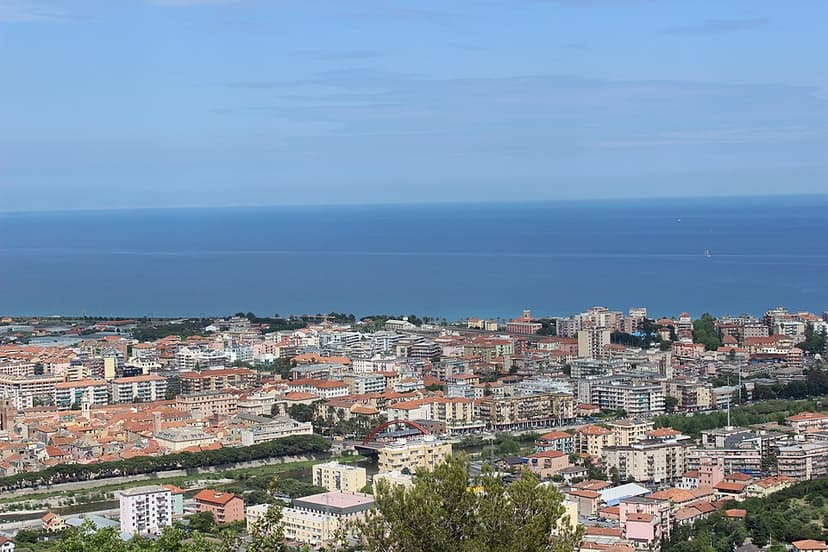
Albenga
Albenga is a historic city on the Italian Riviera, known for its "city of a hundred spires" nickname. Its economy thrives on tourism, local commerce, and agriculture. Founded around the 4th century BC by the Ligurian tribe Ingauni, Albenga boasts a rich history marked by Romanization, medieval self-governance, and periods of prosperity and decline, with its strategic location on the Centa River influencing its development and economy.

Douai
Douai is a city in northern France with a history tracing back to a 4th-century Roman fortress. It rose to prominence as a textile market center during the Middle Ages and later became a significant cultural and religious hub, particularly for English Catholics seeking education during times of persecution. The city is renowned for its impressive Gothic belfry, a UNESCO World Heritage site, and its historic role as a seat of learning.

Toulouse
Toulouse, historically known as Tolosa, is a city in Southern France with a rich and layered history dating back to Roman times. It has served as the capital of the Visigothic Kingdom and the province of Languedoc, and is now the administrative capital of the Occitania region. The city is a significant European center for aerospace and is renowned for its vibrant student population and its unique pink terracotta architecture, earning it the nickname "La Ville rose". Toulouse also boasts multiple UNESCO World Heritage Sites, including the Canal du Midi and the Basilica of St. Sernin.