
Saint-Méen Abbey
The Abbey of Saint-Méen, also known as Saint Jean de Gaël, is a historic monastery located in Saint-Méen-le-Grand, Brittany. Founded in the 6th century by Saint Mewan, the abbey experienced periods of disuse, destruction, and reconstruction, eventually becoming a Benedictine monastery in the 11th century. Over centuries, it passed through various religious orders before being secularized in the 17th century and later repurposed for diverse civic and social functions.
Key Facts
- ›Founded in the 6th century by Saint Mewan (Saint Méen).
- ›Refounded in 818 by Hélocar, bishop of Alet.
- ›Destroyed by Vikings in 919.
- ›Reconstructed as a Benedictine monastery in 1024.
- ›Secularized in 1658.
- ›The former abbey church now serves as the local parish church.

Former Abbey Church
Abbey of Saint Jean De GaëL, Abbaye Saint-Jean De GaëL, Abbaye De Saint-MéEn
Saint Mewan, HéLocar, Saint Petroc
- Founded In the 6th Century
- Disuse By the End of the 8th Century
- Refounded In 818
- Destroyed By Vikings In 919
- Reconstructed As A Benedictine Monastery In 1024
- Briefly Housed the Remains of Saint Petroc In 1177
- Passed Through Hands of Maurists, Oratorians, and Lazarists In the 17th Century
- Secularized In 1658
- Buildings Repurposed After 1790
- Converted To Social Housing Between 1975 and 1980
About Saint-Méen Abbey
The Abbey of Saint-Méen, also known in its early history as the Abbey of Saint Jean de Gaël, is a significant monastic site located in Saint-Méen-le-Grand, within the region of Brittany, France. Its origins trace back to the 6th century, when it was founded by Saint Mewan, a figure for whom the abbey was eventually named. The early foundation faced challenges, falling into disuse by the late 8th century before being refounded in 818 by Hélocar, the bishop of Alet. The abbey's history is marked by periods of destruction and reconstruction; it was notably devastated by Viking raids in 919.
Reconstruction and Later History
In 1024, the Abbey of Saint-Méen was rebuilt and established as a Benedictine monastery. This era saw the abbey briefly hold the relics of Saint Petroc in 1177, following their acquisition by a thief. Over the subsequent centuries, the abbey's administration changed hands, passing through the hands of the Maurists, the Oratorians, and the Lazarists during the 17th century. A pivotal moment in its history was its secularization in 1658, which marked the end of its continuous monastic life.
Transformation and Present Day
Following its secularization, the buildings of the former abbey were adapted for a variety of secular and civic purposes. After 1790, the site served functions including housing the gendarmerie, acting as a barracks, a school, a minor seminary, and even a prison and a refugee shelter. More recently, between 1975 and 1980, the structures were converted into social housing. The former abbey church, however, has been preserved and continues its religious function today as the parish church of Saint-Méen-le-Grand.
Source: Wikipedia ↗
Frequently Asked Questions
When was the Abbey of Saint-Méen founded?
The Abbey of Saint-Méen was originally founded in the 6th century by Saint Mewan, after whom it was eventually named. It has a long history of foundations and refoundations, with a significant reconstruction occurring in 818.
What religious order was associated with the Abbey of Saint-Méen?
The abbey was reconstructed as a Benedictine monastery in 1024. Later, in the 17th century, it passed through the hands of the Maurists, the Oratorians, and the Lazarists before its secularization.
What happened to the Abbey of Saint-Méen after it was secularized?
After being secularized in 1658, the buildings of the former abbey were used for various purposes. These included housing the gendarmerie, a barracks, a school, a minor seminary, a prison, and a refugee shelter.
What is the current status of the Abbey of Saint-Méen?
The buildings were converted to social housing between 1975 and 1980. The former abbey church remains in use today as the parish church of Saint-Méen-le-Grand.
Related Monasteries
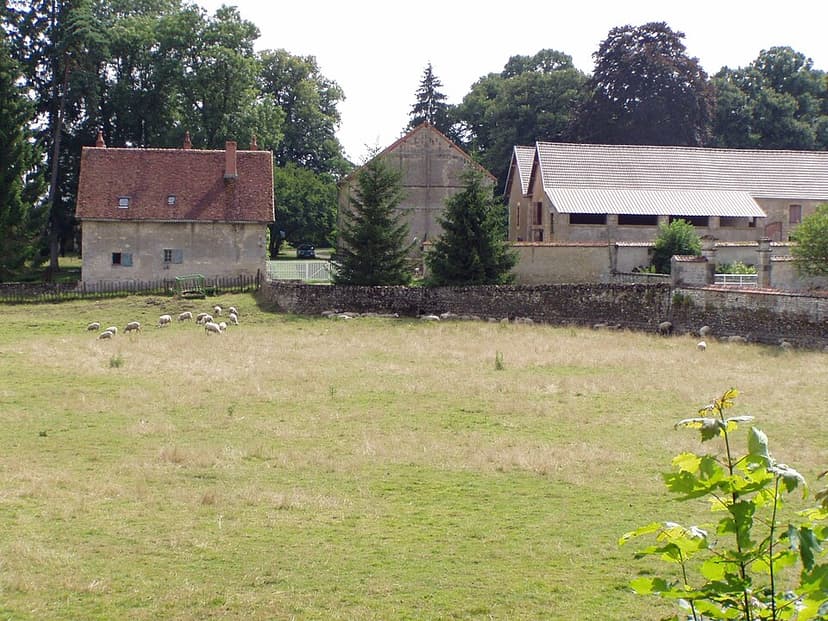
Bourras Abbey
Bourras Abbey was a former Cistercian monastery located in Saint-Malo-en-Donziois, Nièvre, France. Founded in 1119, it served as the first daughter house of Pontigny Abbey and became a significant religious site and burial place for local lords. The abbey suffered destruction during the French Wars of Religion and was eventually suppressed during the French Revolution, with its buildings later repurposed.

Eisenach Charterhouse
Eisenach Charterhouse, officially Domus Vallis Sanctae Elisabeth, was a Carthusian monastery founded in 1378 and suppressed in 1525 in Eisenach, Germany. Supported by local rulers, it flourished in the 14th and 15th centuries, producing notable scholars. The monastery was dissolved during the Reformation, its buildings later repurposed for various secular uses including an orphanage, textile mill, and prison, with its former gardens evolving into a landscape park.
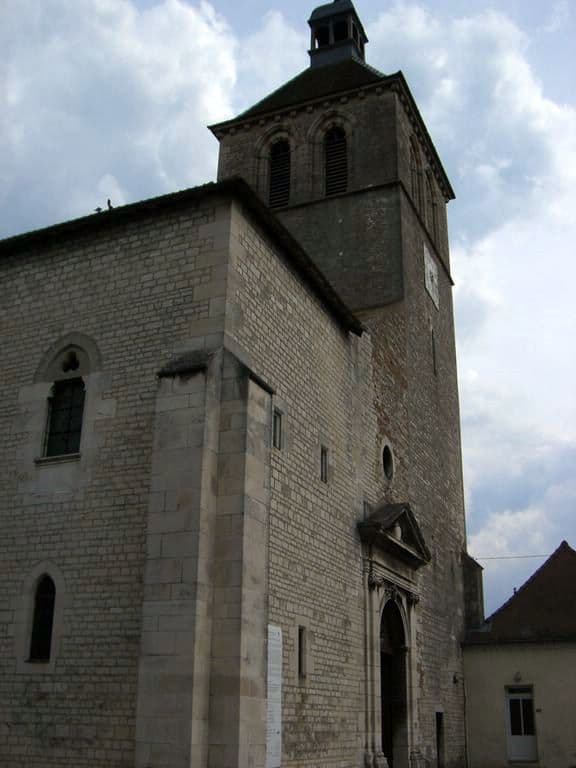
Abbey of Saint-Marcel-lès-Chalon
The Abbey of Saint-Marcel-lès-Chalon was a significant Benedictine monastery founded around 590 CE near Chalon-sur-Saône in eastern France. It later became part of the Congregation of Cluny between 979 and 988, transitioning to a priory. The monastery is historically notable as the place where the philosopher Peter Abelard died in 1142. Although suppressed during the French Revolution and its monastic buildings demolished, the church remains standing as a parish church.