
Bourras Abbey
Bourras Abbey was a former Cistercian monastery located in Saint-Malo-en-Donziois, Nièvre, France. Founded in 1119, it served as the first daughter house of Pontigny Abbey and became a significant religious site and burial place for local lords. The abbey suffered destruction during the French Wars of Religion and was eventually suppressed during the French Revolution, with its buildings later repurposed.
Key Facts
- ›Founded in 1119 by Hugues of Thil and Alix of Montenoison.
- ›Was the first daughter house of Pontigny Abbey.
- ›Served as a burial place for the lords of Montenoison.
- ›Established one daughter house: Chalivoy Abbey.
- ›Suffered destruction in 1568 during the French Wars of Religion.
- ›Suppressed in 1791 during the French Revolution.
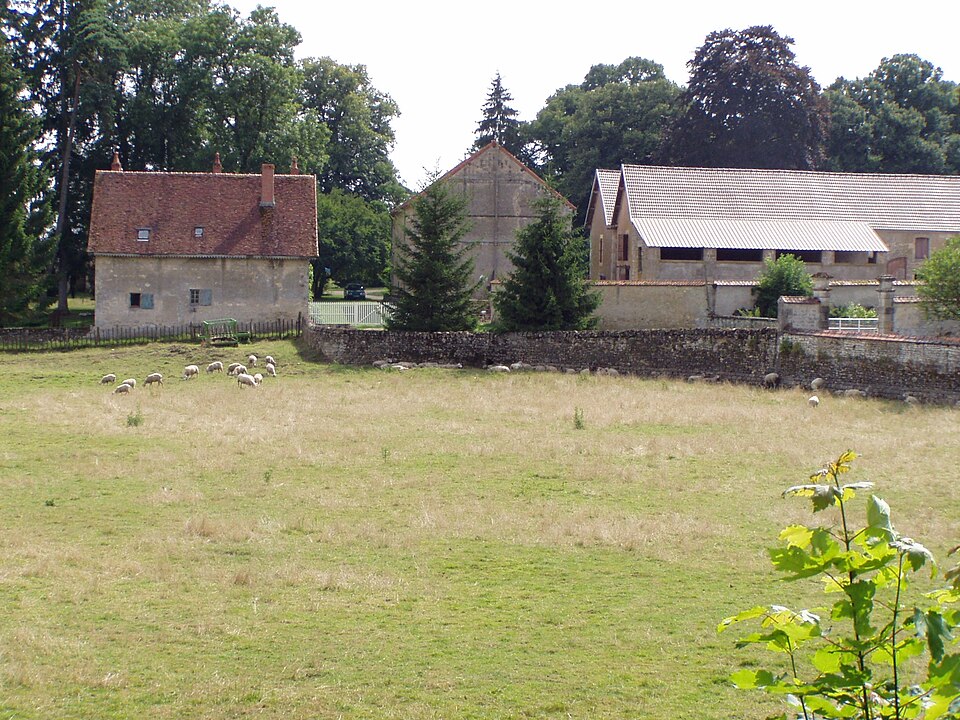
House of the Commendatory Abbot, Three Arcades of the Cloister, Bases and Capitals From Church Nave, Choir Screen
Abbaye De Bourras, Bonus Radius
Hugues of Thil, Alix of Montenoison, Wolfgang, Count Palatine of ZweibrüCken
- Founded In 1119
- Became Burial Place of Lords of Montenoison
- Established Chalivoy Abbey
- Held In Commendam At End of Middle Ages
- Burnt Down In 1568 During French Wars of Religion
- Suppressed In 1791 During French Revolution
About Bourras Abbey
Bourras Abbey, also known by its Latin name Bonus radius and French name Abbaye de Bourras, was a former Cistercian monastery located in the commune of Saint-Malo-en-Donziois in the Nièvre department of Burgundy, France. Situated approximately 26 kilometers northeast of La Charité-sur-Loire on a tributary of the River Nièvre, the abbey played a role in the religious and feudal landscape of the region.
History and Establishment
The abbey was founded in 1119 by Hugues of Thil, lord of Champlemy, and his wife Alix of Montenoison. It held the distinction of being the first daughter house of the influential Pontigny Abbey. Over time, Bourras Abbey became a significant burial site for several members of the lords of Montenoison. The abbey also established its own daughter house, Chalivoy Abbey, contributing to the Cistercian network.
Decline and Suppression
By the end of the Middle Ages, the monastery was held in commendam, a system where an abbot not necessarily from the monastic order was appointed. A significant period of destruction occurred during the French Wars of Religion when the abbey was burnt down in 1568 by the troops of Wolfgang, Count Palatine of Zweibrücken. Its operational life as a monastic community concluded during the French Revolution when the abbey, by then housing only three monks, was suppressed in 1791.
Surviving Structures
While Bourras Abbey no longer functions as a monastic institution, remnants of its past can still be observed. The former house of the commendatory abbot has been preserved and converted into a substantial country house, and the monastic estate continues to be farmed. Archaeological discoveries have yielded three arcades from the cloister that have been re-erected, as well as bases and capitals from the pillars of the church nave. The choir screen from the abbey church is now a notable feature in the parish church of Varzy.
Source: Wikipedia ↗
Frequently Asked Questions
When was Bourras Abbey founded?
Bourras Abbey was founded in the year 1119. Its establishment was made by Hugues of Thil, lord of Champlemy, and his wife Alix of Montenoison.
What religious order was Bourras Abbey a part of?
Bourras Abbey belonged to the Cistercian order. It was established as the first daughter house of Pontigny Abbey, another prominent Cistercian institution.
What happened to Bourras Abbey during historical conflicts?
During the French Wars of Religion, Bourras Abbey was burnt down in 1568 by the troops of Wolfgang, Count Palatine of Zweibrücken. This event significantly impacted the monastery's structures.
When did Bourras Abbey cease to function as a monastery?
Bourras Abbey was suppressed during the French Revolution in 1791. At that time, it housed only three monks, indicating a decline in its community.
What remains of Bourras Abbey today?
Today, the house of the commendatory abbot survives and has been converted into a country house. Three arcades of the cloister have been re-erected, and bases and capitals from the church nave have been found. The choir screen is now in the parish church of Varzy.
Related Monasteries

Saint-Méen Abbey
The Abbey of Saint-Méen, also known as Saint Jean de Gaël, is a historic monastery located in Saint-Méen-le-Grand, Brittany. Founded in the 6th century by Saint Mewan, the abbey experienced periods of disuse, destruction, and reconstruction, eventually becoming a Benedictine monastery in the 11th century. Over centuries, it passed through various religious orders before being secularized in the 17th century and later repurposed for diverse civic and social functions.

Eisenach Charterhouse
Eisenach Charterhouse, officially Domus Vallis Sanctae Elisabeth, was a Carthusian monastery founded in 1378 and suppressed in 1525 in Eisenach, Germany. Supported by local rulers, it flourished in the 14th and 15th centuries, producing notable scholars. The monastery was dissolved during the Reformation, its buildings later repurposed for various secular uses including an orphanage, textile mill, and prison, with its former gardens evolving into a landscape park.

Abbey of Sénanque
Sénanque Abbey is a Cistercian monastery founded in 1148 in Provence, France, renowned for its remarkably preserved Romanesque architecture. Initially thriving, it experienced decline and was suppressed during the French Revolution, only to be re-established in 1854 and later reactivated in 1988. Today, it houses an active monastic community and is known for its lavender fields and spiritual retreats.