
Eisenach Charterhouse
Eisenach Charterhouse, officially Domus Vallis Sanctae Elisabeth, was a Carthusian monastery founded in 1378 and suppressed in 1525 in Eisenach, Germany. Supported by local rulers, it flourished in the 14th and 15th centuries, producing notable scholars. The monastery was dissolved during the Reformation, its buildings later repurposed for various secular uses including an orphanage, textile mill, and prison, with its former gardens evolving into a landscape park.
Key Facts
- ›Founded in 1378 with support from Thuringian Landgraves and the Margrave of Meissen.
- ›Officially accepted into the Carthusian Order in 1382.
- ›Flourished as a center of learning, producing prominent Scholastic scholars.
- ›Suppressed in 1525 during the Reformation and looted during the 'Eisenacher Pfaffensturm'.
- ›Buildings were repurposed for secular uses, including an orphanage, textile MILL, and prison.
- ›The former ducal kitchen garden was transformed into the present-day Charterhouse Garden.

Neoclassical
Charterhouse Garden, Gardener's House With Neoclassical 'Tearoom'
Domus Vallis Sanctae Elisabeth, Kartause Eisenach
Frederick Iii, Balthasar, William I, Johannes De Indagine, Heinrich Nemritz, Martin Luther, John Frederick I, Johann George Ii, Johann Georg Sckell, Hermann JäGer
- Founding of the Charterhouse
- Official Acceptance Into the Carthusian Order
- Suppression During the Reformation
- Looting During the 'Eisenacher Pfaffensturm'
- Repairs and Use As A Country House
- Looting During the Thirty Years' War
- Establishment of An Orphanage and Textile Mill
- Setting Up of A New Prison and Orphanage Alongside A Cloth Manufactory
- Use As A House of Correction
- Transformation of the Garden Into A Landscape Garden
About Eisenach Charterhouse
Eisenach Charterhouse, known in German as Kartause Eisenach and officially as Domus Vallis Sanctae Elisabeth, was a Carthusian monastery situated in Eisenach, Thuringia, Germany. Founded in 1378, it was dedicated to Saint Elizabeth of Hungary. The monastery was supported by the Landgraves of Thuringia, Frederick III and Balthasar, and William I, Margrave of Meissen. The first monks arrived from Erfurt Charterhouse, and the new foundation was officially accepted into the Carthusian Order in 1382.
History and Significance
The charterhouse experienced a period of prosperity during the 14th and 15th centuries. It became a notable center for intellectual life, producing prominent scholars of Scholasticism. Among these was Johannes de Indagine (Johann Bremer von Hagen), who served as prior of Eisenach and later Erfurt, and Heinrich Nemritz, who later became General Visitor of the Lower German province of the Carthusian Order. The monastery's religious life was profoundly affected by the Reformation in the early 16th century, with some monks embracing the teachings of Martin Luther.
Dissolution and Later Use
The charterhouse met its end during the religious upheaval of the Reformation. On April 24, 1525, in an event known as the "Eisenacher Pfaffensturm" (Eisenach Priest Storm), the monastery's buildings were looted and severely damaged. The monks, along with nuns from other monastic houses in Eisenach, were forced to leave the town. The charterhouse was officially dissolved, and its premises were confiscated by Elector John. Subsequent rulers repurposed the site for secular uses. Elector John Frederick I had the buildings repaired by 1537 and used them as a country house. The property suffered further looting during the Thirty Years' War before being transformed in 1694 by Duke John George II of Saxe-Eisenach into an orphanage and textile mill. Between 1717 and 1721, a new prison and orphanage were established alongside a cloth manufactory. After the orphanage closed in 1819, the buildings were used as a house of correction.
Legacy
While the monastic community no longer exists, elements of the charterhouse's historical grounds endure. Around 1790, the court gardener Johann Georg Sckell transformed the former ducal kitchen garden into a landscape garden. This garden was further developed into its present form, known as the Charterhouse Garden, from 1845 by Hermann Jäger. The gardener's house, located in the center of the Charterhouse Garden, contains what are considered the last physical remains of the original monastery, including a Neoclassical "tearoom."
Source: Wikipedia ↗
Frequently Asked Questions
When was Eisenach Charterhouse founded?
Eisenach Charterhouse was founded in 1378. The first monks arrived between 1378 and 1383, and the foundation was officially accepted into the Carthusian Order in 1382.
What was the significance of Eisenach Charterhouse?
The charterhouse flourished in the 14th and 15th centuries and was a site where prominent scholars of Scholasticism originated. Notable figures include Johannes de Indagine and Heinrich Nemritz.
What happened to Eisenach Charterhouse during the Reformation?
During the Reformation, some monks became adherents of Martin Luther's teachings. In 1525, the buildings were looted and badly damaged during the 'Eisenacher Pfaffensturm', leading to the monastery's dissolution and confiscation.
How were the buildings of Eisenach Charterhouse used after its suppression?
After its dissolution, the secularized monastery was used as a country house. Later, it housed an orphanage and textile mill, and eventually a prison and orphanage. After the orphanage closed, the buildings served as a house of correction.
What is the current status of the Eisenach Charterhouse site?
The monastery itself no longer exists as an active religious institution. The gardener's house, containing the last remains of the monastery, is located in the centre of the Charterhouse Garden, which is the transformed former ducal kitchen garden.
Related Monasteries
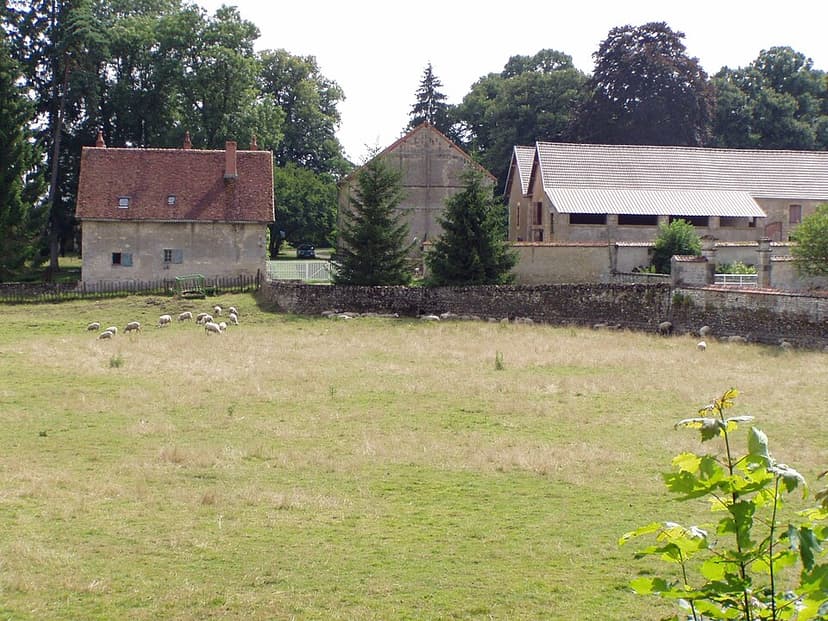
Bourras Abbey
Bourras Abbey was a former Cistercian monastery located in Saint-Malo-en-Donziois, Nièvre, France. Founded in 1119, it served as the first daughter house of Pontigny Abbey and became a significant religious site and burial place for local lords. The abbey suffered destruction during the French Wars of Religion and was eventually suppressed during the French Revolution, with its buildings later repurposed.

Saint-Méen Abbey
The Abbey of Saint-Méen, also known as Saint Jean de Gaël, is a historic monastery located in Saint-Méen-le-Grand, Brittany. Founded in the 6th century by Saint Mewan, the abbey experienced periods of disuse, destruction, and reconstruction, eventually becoming a Benedictine monastery in the 11th century. Over centuries, it passed through various religious orders before being secularized in the 17th century and later repurposed for diverse civic and social functions.

Aachen
Aachen, historically known as Aquae Granni and Aix-la-Chapelle, is a city in Germany with a rich history dating back to Roman times. It rose to prominence as the principal royal residence of Charlemagne and the political center of the Frankish Empire, earning it the moniker "cradle of Europe." For centuries, it served as the coronation site for Holy Roman Emperors. Today, Aachen is a modern technological hub, home to the RWTH Aachen University and its large university hospital, while retaining significant historical and architectural heritage.