
Saint-André
Saint-André is a commune located in the French overseas department of Réunion, situated on the island's northeast coast. This region has been inhabited since the mid-17th century, notably as a place where early exiles were settled. Historically, Saint-André is significant as the landing site for the first French settlers on the island. The commune is also known for the discovery of debris from Malaysia Airlines Flight 370 on its shores in 2015.
Key Facts
- ›Located on the northeast coast of the island of Réunion.
- ›Populated since the middle of the 17th century.
- ›Historically marked the landing of the first French settlers.
- ›Site where debris from Malaysia Airlines Flight 370 was found in 2015.
- ›Features the small lake Étang de Bois Rouge.
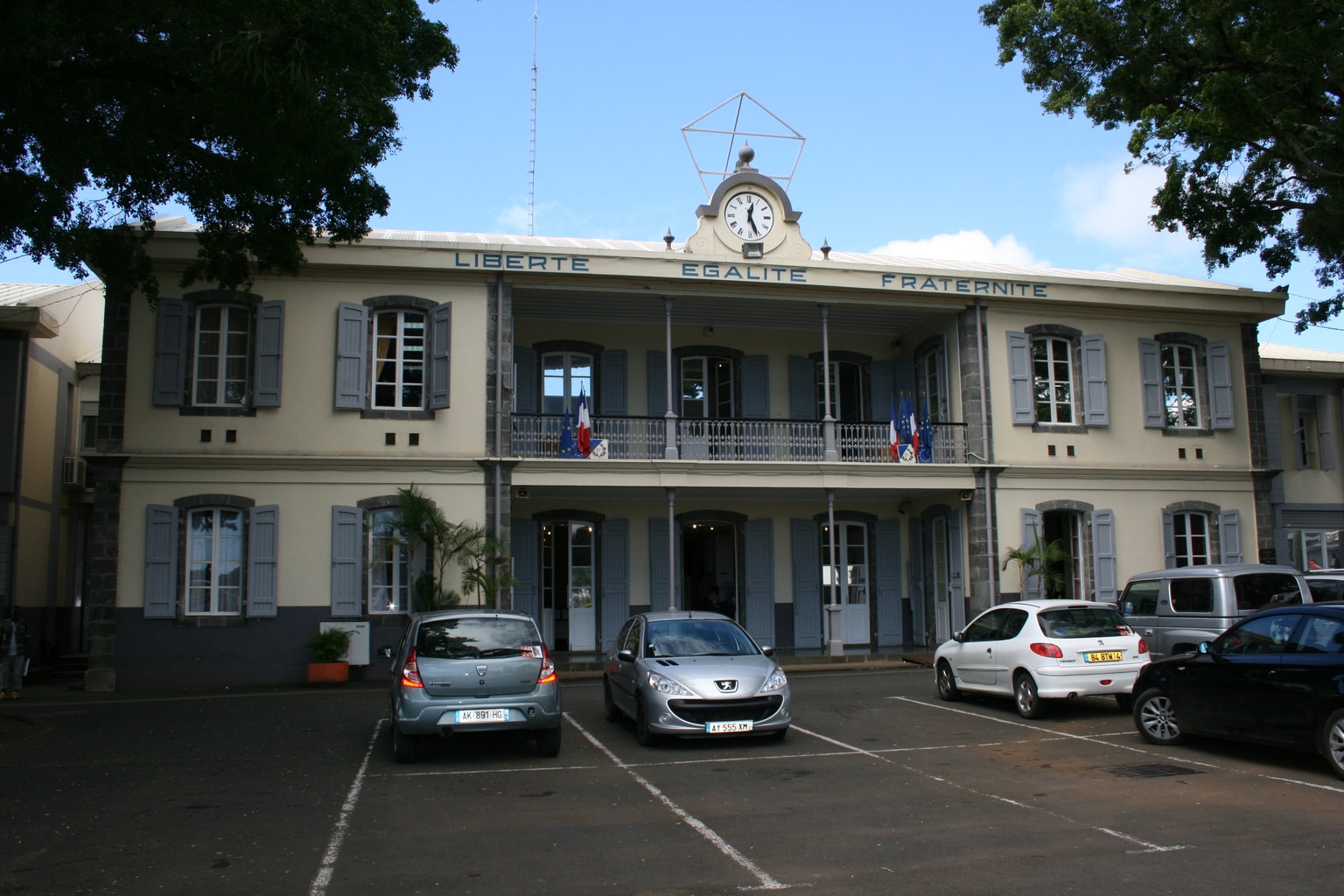
éTang De Bois Rouge
- First Exiles Confined To Bourbon In 1646.
- Landing of the First French Settlers.
- Discovery of Malaysia Airlines Flight 370 Debris In 2015.
About Saint-André
Saint-André is a significant commune situated on the northeastern coast of the French overseas department of Réunion. Its history stretches back to the mid-17th century, a period marked by the arrival of the first French settlers and the establishment of settlements for exiled individuals. The commune is geographically defined by its location between the Saint-Jean and Mât rivers and is home to the small lake Étang de Bois Rouge.
Historical Significance
The region of Saint-André holds a place in the island's history as the site where the initial French landings occurred. In 1646, the governor Mr. Promis established settlements for exiles in the Quartier des Français, along the Saint-Jean River, to manage 'mutinous ardor.' This early period of settlement laid the groundwork for the community that developed over the subsequent centuries.
Notable Discoveries and Characteristics
More recently, Saint-André gained international attention in 2015 with the discovery of marine debris on its beaches. This debris was subsequently confirmed to be part of Malaysia Airlines Flight 370, which had disappeared in March 2014 approximately 4,000 km to the east. The commune experiences a tropical rainforest climate, characterized by warm temperatures and substantial annual rainfall, with March being the wettest month.
Source: Wikipedia ↗
Frequently Asked Questions
When was Saint-André first settled?
The area of Saint-André has been populated since the middle of the 17th century. The first exiles were confined to Bourbon (now Réunion) in 1646.
What is the historical significance of Saint-André?
Saint-André holds historical significance as the place where the first French settlers landed on the island. It was also a settlement for early exiles in the 17th century.
Is Saint-André known for any recent major events?
Yes, Saint-André gained international attention in July 2015 when marine debris, later confirmed to be from Malaysia Airlines Flight 370, was discovered on one of its beaches.
What is the climate like in Saint-André?
Saint-André experiences a tropical rainforest climate. It has a warm average annual temperature and significant rainfall, with March being the wettest month.
Related Monasteries

De La Salle Brothers
The De La Salle Brothers, officially the Institute of the Brothers of the Christian Schools (FSC), is a Catholic lay religious congregation founded in France by Jean-Baptiste de La Salle in 1679. Dedicated to providing a human and Christian education, especially to the poor, the institute operates over a thousand educational centers in nearly 80 countries, serving over a million students. While lauded for their educational mission and recognized by the Pope, the order has also faced significant controversy due to admitted long-standing cases of physical and sexual abuse within some of its institutions.

diocese of La Rochelle
The Diocese of La Rochelle and Saintes is a Catholic diocese in France, established in 1648. It encompasses the Charente-Maritime department and the overseas collectivity of Saint-Pierre and Miquelon. The diocese has a complex history, including mergers and re-establishments of its constituent sees, and played a role in the religious tensions of the French Reformation.

Trappists
The Trappists, officially the Order of Cistercians of the Strict Observance (OCSO), are a Catholic religious order of cloistered monastics that originated from a reform movement within the Cistercians. Founded by Abbot Armand Jean le Bouthillier de Rancé in 1664 at La Trappe Abbey, the order emphasizes a life of penitence, hard manual labor, silence, and isolation from the world, following the Rule of Saint Benedict. While originally part of the Cistercian Order, they formally constituted as a separate order in 1892, known for their austere lifestyle and distinctive products like Trappist beers.