
Rufford Abbey
Christian·England·Country Park/Museum·12th century
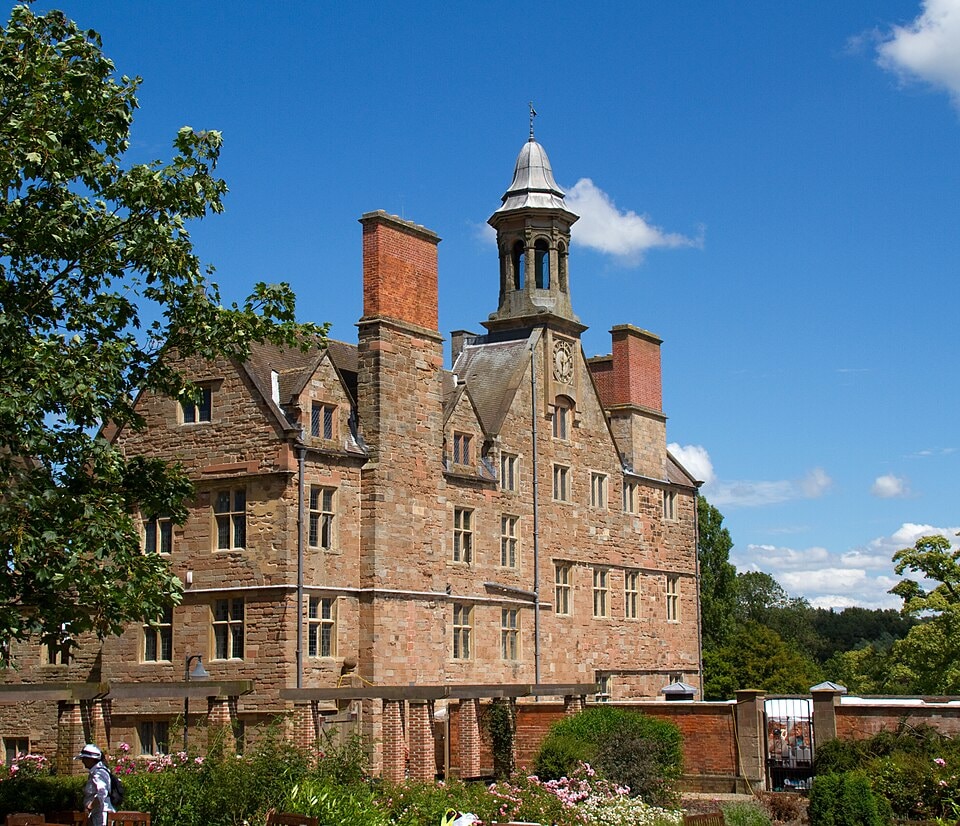
Rufford Abbey began as a Cistercian monastery founded in 1147. Following the dissolution of the monasteries in the 16th century, it was transformed into a country house. Today, the surviving remains of the house stand within Rufford Country Park, which is open to the public.
Key Facts
- ›Founded in 1147 by Gilbert de Gant with Cistercian monks from Rievaulx Abbey.
- ›Converted into a country house between 1560 and 1590 after the dissolution of the monasteries.
- ›Part of the country house was demolished in the 20th century.
- ›The remaining structures are situated in 150 acres of park and woodland, open as Rufford Country Park.
- ›The park includes a local nature reserve.
- ›Owned by English Heritage and Nottinghamshire County Council.
Gothic
- Remains of A Cistercian Abbey Converted To A Country House
- Rufford Country Park
- Local Nature Reserve
- Ice Houses
Gilbert De Gant, George Talbot, 4th Earl of Shrewsbury, Bess of Hardwick, Lady Arbella Stuart, Sir George Savile, 2nd Baronet, Marquess of Halifax, John Lumley-Savile, 8th Earl of Scarbrough, Augustus William Lumley-Savile, John Lumley-Savile, Baron Savile, Sir Albert Ball, Harry Clifton
Dissolution of the Monasteries, Conversion To A Country House, Main Plot, English Civil War, Demolition of Parts of the House, 1851 Poaching Incident
About Rufford Abbey
Rufford Abbey, located in Rufford, Nottinghamshire, England, has a rich history spanning over nine centuries, transitioning from a monastic site to a grand country estate and now a public country park.
Monastic Foundation
The abbey was founded on July 12, 1147, by Gilbert de Gant, who invited Cistercian monks from Rievaulx Abbey to settle the site. Pope Adrian IV granted his blessing in 1156, a period during which the abbey's landholdings expanded, leading to the displacement of local villagers who were rehoused in the newly established village of Wellow. By 1534, the abbey's gross income was recorded as £254 6s. 8d. The dissolution of the monasteries under Henry VIII in 1536 led to the abbey's closure, with Abbot Doncaster receiving a pension.
Transformation into a Country House
Following its dissolution, Rufford Abbey was granted to George Talbot, 4th Earl of Shrewsbury. Between 1560 and 1590, it was partially demolished and converted into a country house, a process overseen by George Talbot, 6th Earl of Shrewsbury, and Bess of Hardwick. The estate saw further remodelling by Sir George Savile in the late 17th century, who added a new north wing on the site of the abbey church. The Savile family held the estate for several generations, with various members playing significant roles in national affairs. By the early 20th century, the vast Rufford Abbey Estate began to be broken up, and in 1938, the house and its immediate grounds were sold.
Rufford Country Park
Nottinghamshire County Council purchased the abbey and 150 acres of land in 1952. In 1956, significant portions of the 17th-century house were demolished, leaving the remaining west range and south service wing. The site was subsequently opened to the public as Rufford Country Park. Today, the park is managed by Parkwood Leisure in cooperation with English Heritage, offering visitors access to the parkland, nature reserve, and amenities. The history of the estate is also marked by an 1851 poaching incident that inspired the popular ballad "Rufford Park Poachers."
Source: Wikipedia ↗
Frequently Asked Questions
When was Rufford Abbey founded?
Rufford Abbey was founded on July 12, 1147. It was established by Gilbert de Gant and populated by Cistercian monks.
What happened to Rufford Abbey after the dissolution of the monasteries?
After its dissolution in 1536, the abbey was granted to George Talbot, 4th Earl of Shrewsbury. It was then converted into a country house between 1560 and 1590.
What is the current status of Rufford Abbey?
The remains of the country house are owned by English Heritage, and the surrounding country park is owned by Nottinghamshire County Council. Rufford Country Park is open to the public.
Is Rufford Abbey still an active monastery?
No, Rufford Abbey is no longer an active monastery. It was dissolved in the 16th century and subsequently converted into a country house.
What can visitors see at Rufford Country Park?
Visitors can explore the remaining structures of the former country house, enjoy the 150 acres of park and woodland, and visit the local nature reserve. Amenities such as cafes and shops are also available.
Related Monasteries

Anglesey Priory
Anglesey Abbey is a National Trust property in Lode, England, that evolved from an Augustinian priory founded in the early 12th century. After its dissolution in 1536, the site was transformed into a Jacobean-style house, and later extensively developed by Lord Fairhaven into a country house with significant art collections and landscaped gardens. The property now features a house, gardens, and a working mill, preserving the legacy of its monastic past and its later private ownership.

Ankerwycke Priory
Ankerwycke Priory was a small and relatively poor Benedictine nunnery established around 1160 in Buckinghamshire, England. Dedicated to St. Mary Magdalene, it held lands across several counties. Dissolved in 1536, its revenues were transferred to Bisham Abbey, and the priory site later saw the construction of a manor house. Today, only a small section of ruins remains, situated in Berkshire.

Appuldurcombe House
Appuldurcombe House is the shell of a substantial 18th-century English Baroque country house on the Isle of Wight, England. Originally a priory, it evolved into a convent before becoming a Leigh family home. Sir Robert Worsley began constructing the current mansion in 1702, with significant extensions and landscaping undertaken by his great-nephew, Sir Richard Worsley, in the 1770s. Despite periods as a hotel and a school, the house was damaged during World War II and is now managed by English Heritage.