
Reading Nunnery
Reading Nunnery was an Anglo-Saxon nunnery located in Berkshire, England, established in 979. While the nunnery itself no longer exists, its historical site is now occupied by St Mary's Church. Little is recorded about its specific significance or daily life beyond its foundation.
Key Facts
- ›Founded in 979 AD.
- ›Located in Berkshire, England.
- ›Existed during the Anglo-Saxon period.
- ›The original site is now occupied by St Mary's Church.

Site Now Occupied By St Mary's Church
About Reading Nunnery
Reading Nunnery was an ecclesiastical establishment in Berkshire, England, that functioned during the Anglo-Saxon period. Its foundation is recorded as having taken place in the year 979 AD. The nunnery existed for an unspecified duration before its dissolution or decline.
Historical Context
The establishment of Reading Nunnery places it within a period of significant monastic activity and religious development in Anglo-Saxon England. Nunneries played a role in the spiritual and social landscape of the time, often serving as centers of prayer, learning, and sometimes as repositories of wealth and land. Details regarding the specific community, its size, or its daily operations are not extensively preserved in historical records.
Legacy
While Reading Nunnery itself is no longer extant, its historical presence is marked by the site it occupied. The location where the nunnery once stood is now the site of St Mary's Church. This continuity suggests that the area has maintained religious significance throughout subsequent centuries, transitioning from a nunnery to a parish church.
Source: Wikipedia ↗
Frequently Asked Questions
When was Reading Nunnery founded?
Reading Nunnery was established in the year 979 AD. This places its founding within the Anglo-Saxon period of English history.
Where was Reading Nunnery located?
The nunnery was situated in Berkshire, England. Today, the land where it once stood is the location of St Mary's Church.
What remains of Reading Nunnery today?
The nunnery itself no longer exists as an active religious institution. The site is now occupied by St Mary's Church, indicating a continuity of religious presence on the location.
Related Monasteries
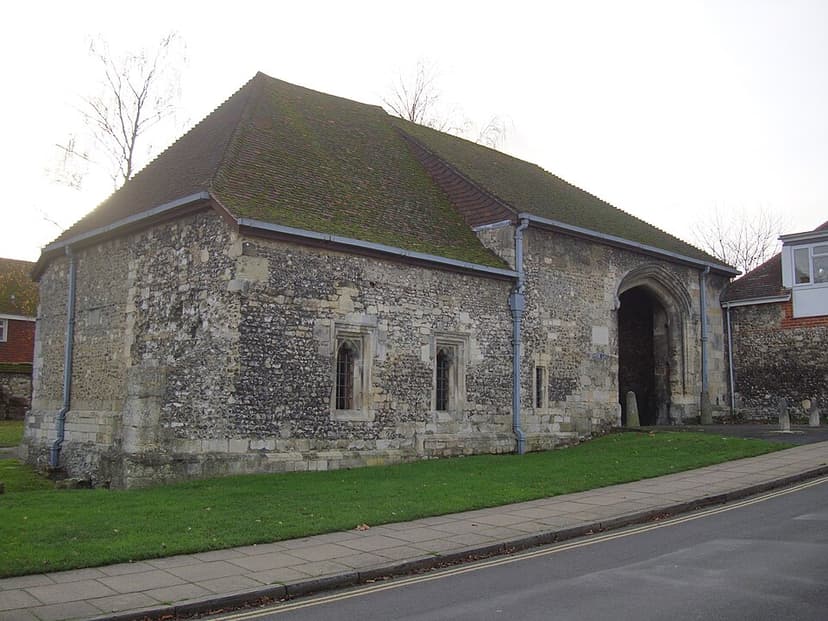
Hyde Abbey
Hyde Abbey was a significant medieval Benedictine monastery located just outside the walls of Winchester, England. Founded around 903 as New Minster, it was later relocated to Hyde Mead in 1110. The abbey gained prominence as the burial site for King Alfred the Great and other royal figures, making it a popular pilgrimage destination. Despite its importance, Hyde Abbey was dissolved and demolished in 1538 under Henry VIII, with its remains and treasures largely lost or scattered.

Ramsey Abbey
Ramsey Abbey was a prominent Benedictine monastery in Ramsey, Huntingdonshire, England, founded around 969 AD and dissolved in 1539. It was a significant center of Benedictine reform and later an international hub for Hebrew scholarship. Though most of its structures were demolished after dissolution, surviving elements and artifacts highlight its historical importance and architectural legacy.

Tavistock Abbey
Tavistock Abbey was a prominent Benedictine monastery in Tavistock, Devon, established in the late 10th century. It became one of the wealthiest abbeys in western England, holding extensive lands in Devon and Cornwall. Surrendered in 1539 during the Dissolution of the Monasteries, only fragments of its former glory, such as the refectory and two gateways, remain today.