
Hyde Abbey
Hyde Abbey was a significant medieval Benedictine monastery located just outside the walls of Winchester, England. Founded around 903 as New Minster, it was later relocated to Hyde Mead in 1110. The abbey gained prominence as the burial site for King Alfred the Great and other royal figures, making it a popular pilgrimage destination. Despite its importance, Hyde Abbey was dissolved and demolished in 1538 under Henry VIII, with its remains and treasures largely lost or scattered.
Key Facts
- ›Founded around 903 as New Minster, later moved to Hyde Mead in 1110.
- ›Once housed the remains of King Alfred the Great, his son Edward the Elder, and his wife Ealhswith.
- ›Became a popular pilgrimage site due to royal burials.
- ›Suffered damage during the Anarchy in 1141 and required substantial rebuilding.
- ›Dissolved and demolished in 1538 under Henry VIII.
- ›Excavations have uncovered evidence of its layout and artifacts, though royal remains were lost.
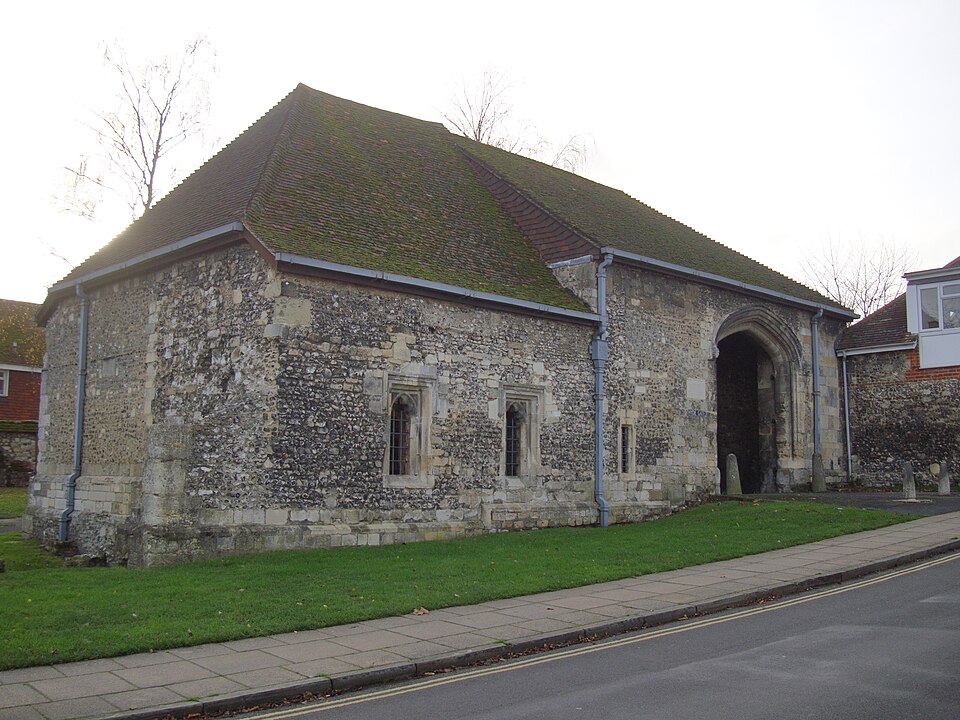
Gatehouse, Arch Over Millstream, St Bartholomew's Parish Church
New Minster
Alfred the Great, Edward the Elder, Ealhswith, Grimbald
Relocation To Hyde Mead In 1110, Damage During the Anarchy, Dissolution of the Monasteries
About Hyde Abbey
Hyde Abbey was a prominent medieval Benedictine monastery situated just outside the city walls of Winchester, Hampshire, England. Originally founded as New Minster around 903 AD, it was later relocated to Hyde Mead in 1110, with its new abbey church consecrated in that year. The monastery gained significant historical and religious importance as the burial site for King Alfred the Great, his son Edward the Elder, and his wife Ealhswith, drawing many pilgrims.
History and Significance
When Alfred the Great re-established Winchester as a royal city, the foundation for New Minster was laid under his son, Edward the Elder. Consecrated around 903, the monastery became the final resting place for Alfred, who was re-interred there. The abbey's importance grew with the addition of other royal burials, and in 1110, it was moved to Hyde Mead, becoming known as Hyde Abbey. The royal presence at Hyde Abbey cemented its status as a key pilgrimage destination. Despite its religious and royal significance, Hyde Abbey met its end in 1538, dissolved by King Henry VIII as part of the Dissolution of the Monasteries. Following its dissolution, the abbey was rapidly dismantled for building materials, and its valuable contents and the royal remains were largely lost.
Archaeological Investigations and Legacy
Subsequent centuries saw the site of Hyde Abbey used for various purposes, including as a prison from 1788, during which time excavations uncovered numerous subterranean graves and artifacts. Modern archaeological excavations, including those in 1999, have continued to explore the abbey's former grounds, seeking to understand its layout and the circumstances surrounding the loss of the royal tombs. Today, only remnants of the abbey survive, including its gatehouse and an arch that once spanned the millstream. Elements of the church built for pilgrims and lay-brothers have been incorporated into the modern St Bartholomew's Parish Church, serving as a tangible link to the abbey's past.
Source: Wikipedia ↗
Frequently Asked Questions
When was Hyde Abbey founded?
The monastery, initially known as New Minster, was consecrated and fully endowed around 903 AD. It was later relocated to Hyde Mead in 1110, with the new abbey church consecrated in that year.
What was the significance of Hyde Abbey?
Hyde Abbey was historically significant as the burial place for King Alfred the Great, his son Edward the Elder, and his wife Ealhswith. This royal interment made it a notable pilgrimage destination during the medieval period.
What happened to Hyde Abbey?
The abbey was dissolved and demolished in 1538 as part of Henry VIII's Dissolution of the Monasteries. Following the dissolution, the buildings were dismantled for their materials, and the royal remains were lost.
Are there any remains of Hyde Abbey today?
Today, only the gatehouse and an arch that spanned the abbey millstream remain. Parts of the church built for pilgrims and lay-brothers now form the nave and chancel of St Bartholomew's Parish Church.
Has Hyde Abbey been excavated?
Yes, archaeological excavations have taken place on the site of Hyde Abbey, particularly in the 19th century and more recently in 1999. These excavations have aimed to uncover the layout of the abbey church and locate royal tombs.
Related Monasteries

Ramsey Abbey
Ramsey Abbey was a prominent Benedictine monastery in Ramsey, Huntingdonshire, England, founded around 969 AD and dissolved in 1539. It was a significant center of Benedictine reform and later an international hub for Hebrew scholarship. Though most of its structures were demolished after dissolution, surviving elements and artifacts highlight its historical importance and architectural legacy.

Reading Nunnery
Reading Nunnery was an Anglo-Saxon nunnery located in Berkshire, England, established in 979. While the nunnery itself no longer exists, its historical site is now occupied by St Mary's Church. Little is recorded about its specific significance or daily life beyond its foundation.

Tavistock Abbey
Tavistock Abbey was a prominent Benedictine monastery in Tavistock, Devon, established in the late 10th century. It became one of the wealthiest abbeys in western England, holding extensive lands in Devon and Cornwall. Surrendered in 1539 during the Dissolution of the Monasteries, only fragments of its former glory, such as the refectory and two gateways, remain today.