
Rattenberg
Rattenberg is the smallest city in Austria, located in Tyrol on the Inn River, founded in the 14th century. Its notable characteristic is its location in a valley that receives no direct sunlight for much of the winter due to the proximity of Rat Mountain. Historically, it was built as a protected settlement and later fortified, and it is currently known for its glassmaking tradition.
Key Facts
- ›Smallest city in Austria by population and area.
- ›Founded in the 14th century.
- ›Experiences prolonged periods without direct winter sunlight due to Rat Mountain.
- ›Historically fortified by Maximilian I.
- ›Known for its glassmaking tradition with numerous crystal glass shops.

Inn River Location, Proximity To Rat Mountain, Glassmaking Tradition
RåTtnberg
Maximilian I
- Original Town Citadel Expanded To A Fortress By Maximilian I.
About Rattenberg
Rattenberg is a historic town situated in the Austrian state of Tyrol, nestled along the Inn River. It holds the distinction of being Austria's smallest city, with a population of approximately 400 inhabitants and a surface area of just 10 hectares. Founded in the 14th century, Rattenberg was strategically built in the shadow of Rat Mountain, a deliberate choice intended to offer protection from potential marauders.
Geography and Climate
The town's unique geographical position means it experiences a prolonged period without direct sunlight during the winter months. This phenomenon is due to the steep valley location, where the adjacent Rat Mountain casts a significant shadow. While the sky remains bright, the town does not receive direct solar rays for much of this period, a characteristic shared with a few other settlements in similar alpine or valley environments.
Historical Development and Economy
During its history, the original town citadel was expanded into a formidable fortress by Maximilian I. In the modern era, Rattenberg has become well-known for its enduring glassmaking tradition. The town continues to uphold this craft, with a notable abundance of crystal glass shops reflecting its long-standing expertise in the art of glass production.
Source: Wikipedia ↗
Frequently Asked Questions
Why does Rattenberg not receive direct sunlight in winter?
Rattenberg is situated in a valley near Rat Mountain. The mountain's proximity to the south of the town casts a shadow, preventing direct sunlight from reaching the town for a significant portion of the winter months.
When was Rattenberg founded?
Rattenberg was founded in the 14th century. It was established to provide protection from marauders.
What is Rattenberg known for today?
Rattenberg is renowned for its glassmaking. The town continues a tradition of craftsmanship, evident in its abundance of crystal glass shops.
Is there a plan to bring sunlight to Rattenberg in winter?
In 2005, there was a proposal to install specialized rotating mirrors called heliostats to reflect sunlight into parts of the town during winter. However, this project was never implemented.
Related Monasteries

Krems
Krems an der Donau is a historic city in Lower Austria, Austria, situated at the confluence of the Krems and Danube Rivers. First mentioned in 995, it boasts a history stretching back to prehistoric times, with the discovery of Austria's oldest known grave. The city is recognized for its significant cultural heritage, including its old town with medieval gates and numerous churches, and is also a notable center for wine production and apricot brandy (Marillenschnaps).

Fröndenberg
Fröndenberg is a town in the Unna district of North Rhine-Westphalia, Germany, situated in the Ruhr valley. Its modern administrative structure was formed through a series of mergers of independent villages, culminating in its recognition as a city in 1952. The earliest recorded mention of its name dates back to a papal document in 1197.
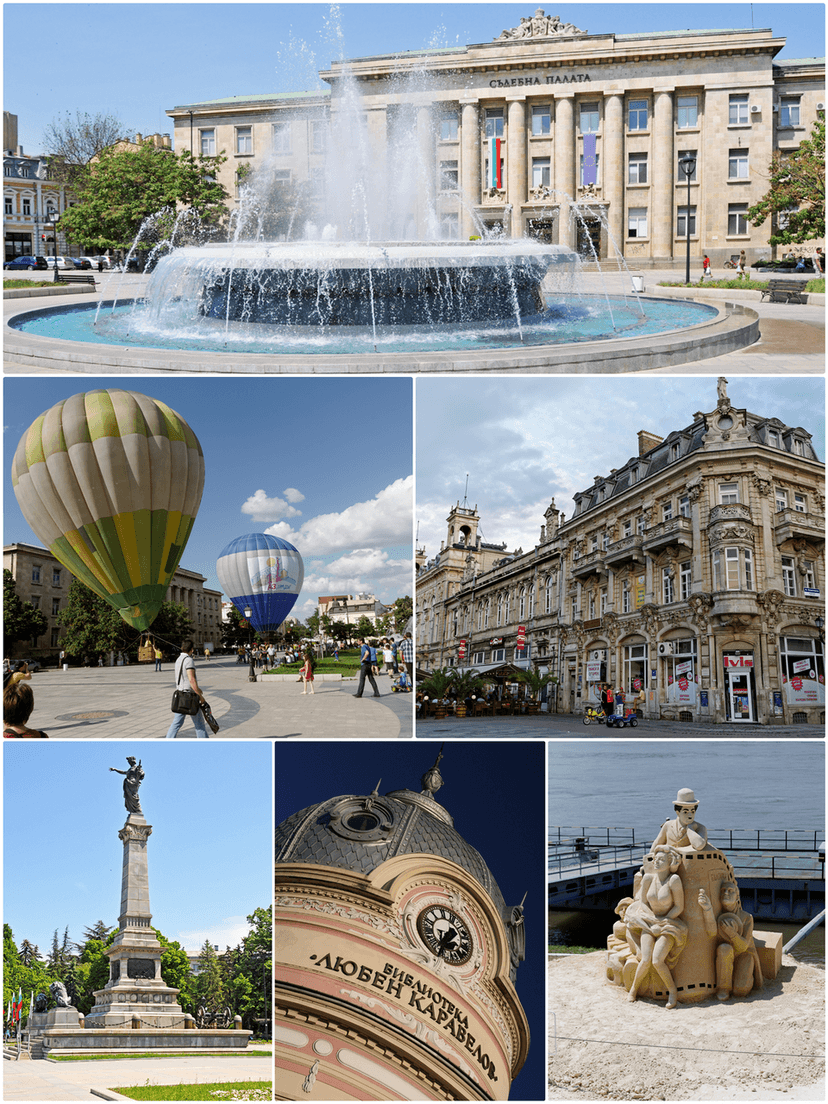
Ruse
Ruse is a significant Bulgarian city situated on the right bank of the Danube River, opposite Giurgiu, Romania. Known for its 19th and 20th-century Neo-Baroque and Neo-Rococo architecture, it is often referred to as "Little Vienna." The city has a rich history, evolving from ancient Roman settlements to a key administrative and cultural center during the Ottoman period and a hub of innovation during the Bulgarian National Revival and early modern Bulgaria. Its strategic location makes it Bulgaria's most important river port.